



The federal Aboriginal and Torres Strait Islander Heritage Act will be put to the test with a review recently announced into Wadjemup, also known as Rottnest Island, off the coast of Western Australia.
The Act has typically not protected Aboriginal heritage sites and reforms - promised after the destruction of Juukan Gorge by Rio Tinto and Senate Inquiry - are yet to materialise.
Noongar people believe Wadjemup is a place of significant heritage, both culturally and historically, and the federal review is welcomed.
The application for the review was lodged four years ago by Rottnest Island Deaths Group, and the announcement coincides with recent media attention created because of human remains, confirmed as Aboriginal, being disturbed during development on the island.
Wadjemup is also a premier West Australian tourist location, with a five-star Lodge accommodation launched in 2025 that would rival exclusive resorts in Bali.
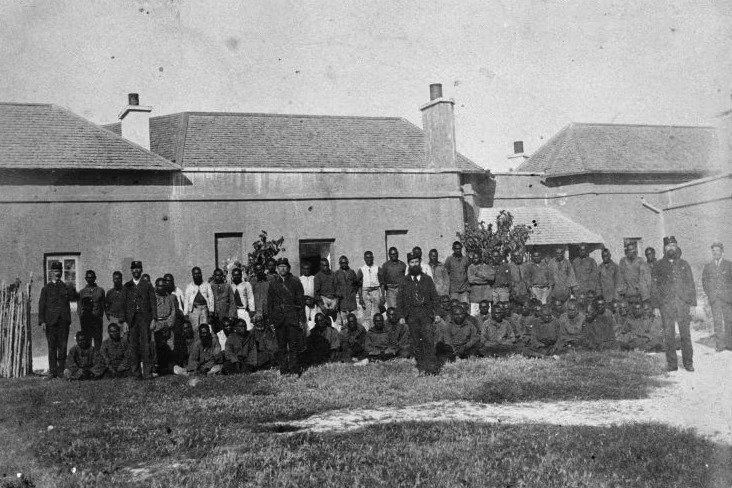
It is well established that from 1838 to 1931, at least 4,000 Aboriginal men were sent to Wadjemup, in cruel inhumane conditions and not long after the Swan River colony established in1828. At Wadjemup they laboured in quarries to build the Quod or prison which housed them, and holiday island facilities including Governor's house used by British colonists and gentry.
Aboriginal men were also paroled out of Wadjemup to serve on pastoral stations and into the pearling industry as divers. It's estimated that hundreds of Aboriginal men died on the island, at least 400 died from execution, disease and illnesses, but the true number of men and boys who died there is unknown.
These men and boys were incarcerated through racist colonial laws, including laws that forced them under 'assignment' to work for British landowners, often in pastoral industry.
Slavery was key to the expansion of the British empire and lawful until the Slavery Abolition Act 1833 and this ideology also prevailed in the Swan River colony that forced Aboriginal people into unpaid work with any resistance criminalised and punished, particularly by way of incarceration at Wadjemup. The Roundhouse prison in Fremantle and the Wadjemup 'Quod' prison are architecturally unique 12-sided buildings resembling slave buildings in the West coast of Africa.
Aboriginal activists, Noongar people protested at the island in the late '80s forming the Rottnest Island Deaths Group and organising statewide meetings of cultural Elders in 1990 and 1994. They said Wadjemup was a death camp that should be returned to Aboriginal people. The Burial site must be closed off, the Quod should be a Museum of Remembrance, and land set aside for Aboriginal people for cultural purposes. These calls were rejected even though former Premier Richard Court acknowledged the Wadjemup Aboriginal burial site as the largest mass burial site in Australia. And still this shocking history was hidden as the burial site was used as a tourist camping ground known as 'Tentland' and the prison or Quod was converted into hotel accommodation, with plans for a luxury resort ignoring the building's cruel history.
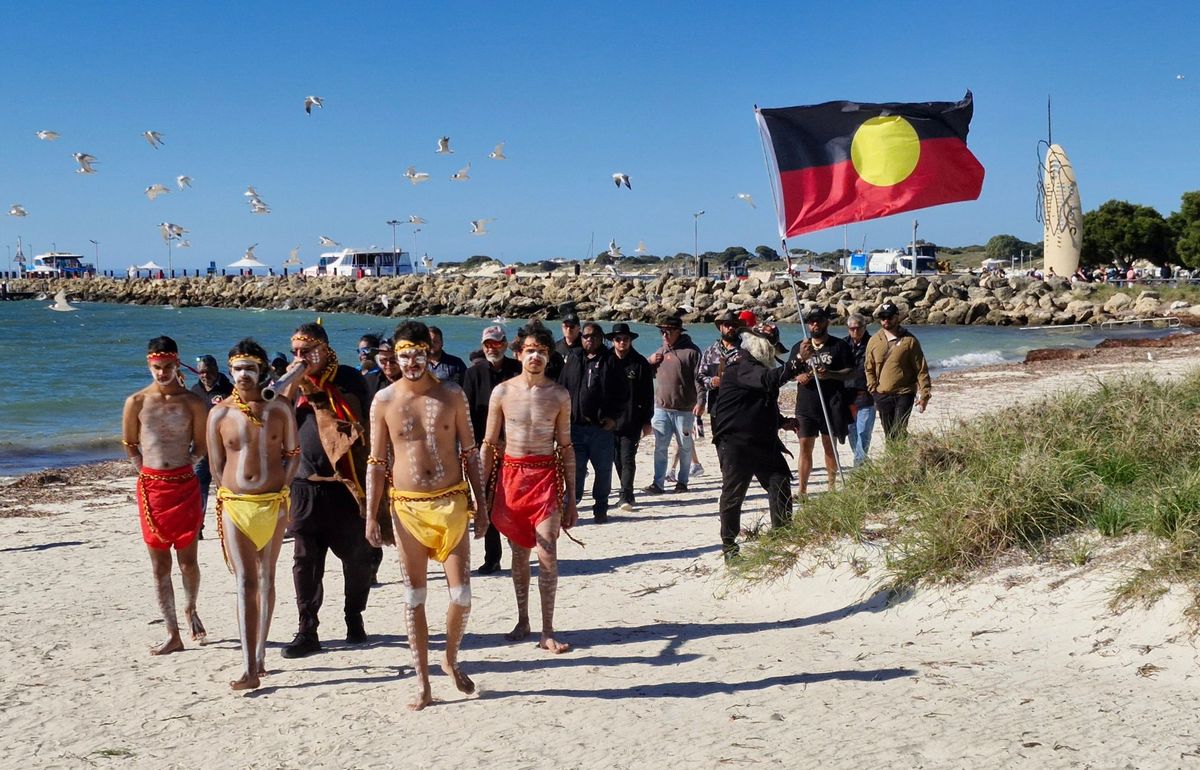
In recent years we saw a state commitment to Truth Telling at Wadjemup, in 2018 the state agreed the Quod would no longer be used for accommodation and its heritage would be recognised.
In 2024 a Truth Telling process culminated in a ceremony where the Premier apologised for the history of incarceration at the island.
Notwithstanding, the Aboriginal heritage of the Island remains at risk and in need of protection. Further, the calls from the 1994 statewide meeting remain outstanding.
This year the Rottnest Island Authority launched a 'Stretch' Reconciliation Plan, assisted by an Aboriginal advisory group, but avoided Aboriginal calls for World Heritage listing that would ensure stricter heritage measures in place.
The Whadjuk Aboriginal Corporation (WAC), positioned as a key partner in land heritage through an ILUA, has alleged governance issues which have drawn the attention of the national regulator ORIC. Furthermore, responsibility for Wadjemup is wider than WAC and extends to all Noongar people and Aboriginal people across the state who experienced the impacts of colonial genocide associated with Wadjemup.
Wadjemup and the Quod building can be compared to the Fremantle prison, which in 2010 became the first building in WA to be included on the World Heritage List as part of a nomination with other Australian Convict Sites. It's also recognised on the National Heritage list with decisions made in accordance with the Burra Charter, an internationally recognised heritage framework.
While most members of the RIDG have now passed on, their family met at the island this week with the federal-appointed reviewer and saw first-hand the considerable developments at Wadjemup that lacked any apparent Aboriginal agreement, management and oversight. This was concerning and highlights that Aboriginal heritage at Wadjemup needs greater protection and Aboriginal governance.
The Rottnest Island Authority and the state of WA purport a commitment to Reconciliation and Truth Telling, but at the same time are failing to ensure Wadjemup's cultural heritage significance is properly protected, in genuine partnership with Aboriginal people. Thus, highlighting the conundrum with this dual process of Reconciliation and Truth Telling, used in such a way as to effectively negate Aboriginal rights, and assuage white guilt without substantive engagement or systemic reform needed to effect genuine and real change.
Dr Hannah McGlade is a Kurin Minang human rights expert and law academic.



