




Human remains found on the Western Australian island of Wadjemup/Rottnest Island have been confirmed as "historical in nature and consistent with Indigenous ancestry", according to WA police.
Multiple human bones were discovered on Wednesday morning during construction works on the hill beneath the Holy Trinity Catholic Church on the tourism island, about 20 kilometres west of Fremantle. The works were being undertaken by Progammed, who maintain much of the Island's infrastructure, and carry out civil works and upgrades for Rottnest Island Authority.
A Whadjuk Aboriginal Corporation appointed Noongar cultural heritage monitor was present at the time of the discovery, as required for works on registered Aboriginal cultural sites such as Wadjemup under WA's Aboriginal heritage framework.
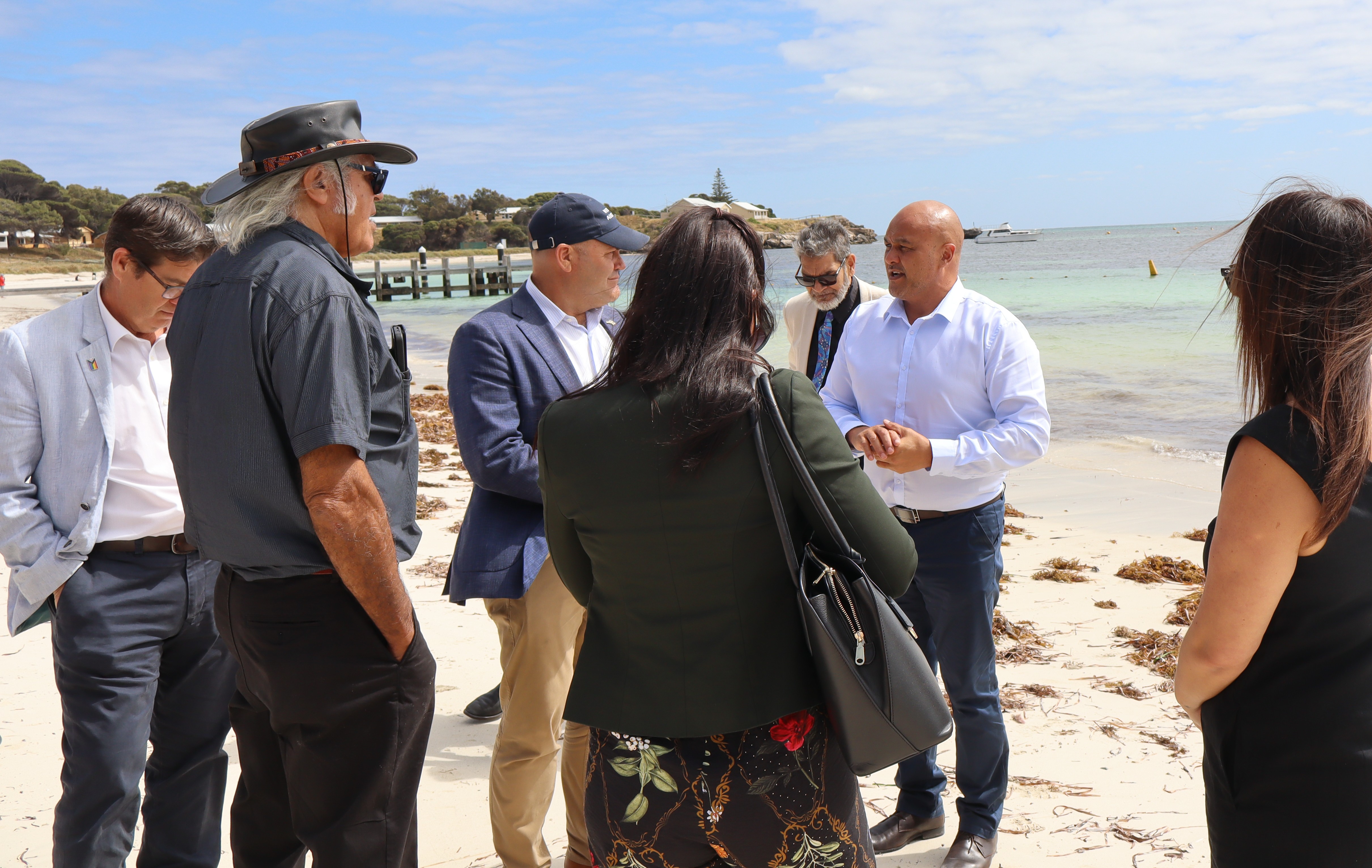
The Rottnest Island Authority (RIA) has engaged WAC to provide monitoring services, with monitors attending ground-disturbing works to identify and protect culturally significant material.
They act on behalf of Traditional Owners, ensuring any remains or artefacts are handled in accordance with cultural protocols, and so work can be halted if significant heritage is uncovered.
On Thursday, police attended a site on Rottnest Island with the State Anthropologist.
.jpeg)
Police on Wadjemup collecting the human remains on Wednesday. Maddi Cross
"Specialist advice indicates the remains are historical in nature and consistent with Indigenous ancestry," a WA police spokesperson told the National Indigenous Times.
The island, which nowadays offers hotel accommodation, eateries and boat tours, is also the site of one of the State's darkest chapters, where atrocities were committed against the region's First Nations peoples.
From 1838 to 1931, colonial authorities used Wadjemup as a prison for Aboriginal men and boys. Nearly 4,000 were held in appalling conditions.
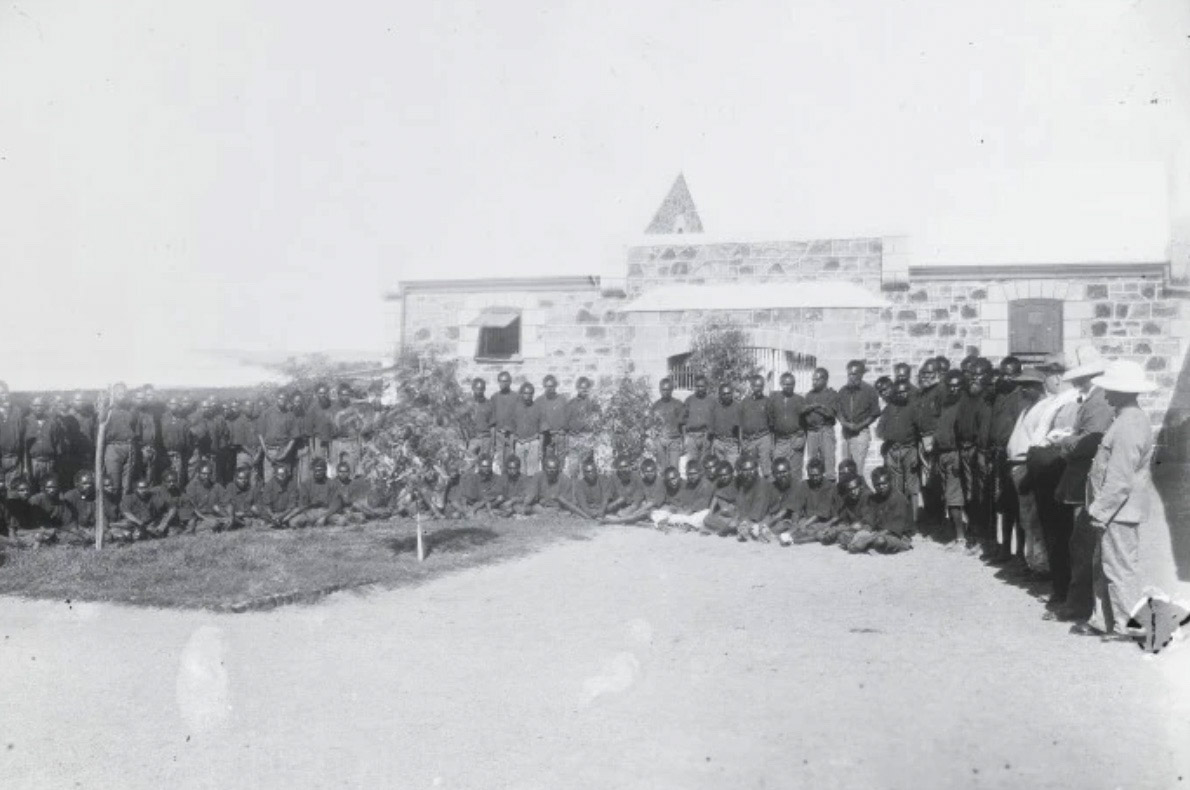
Nearly 400 men are buried at Wadjemup, according to Murdoch University academic and Minang-Wadjari Nyungar man, Glen Stasiuk.
"Their mass grave is a sacred site of remembrance and sorrow, making Rottnest Island a place of deep significance to Aboriginal people across the State," Mr Stasiuk wrote.
This latest discovery of Aboriginal human remains must be dealt with appropriate reverence, according to proud Bibbulmun Noongar woman and United Nations human rights lawyer, Dr Hannah McGlade,
"This is a really deeply spiritual place, and we have to treat our ancestors with the utmost respect, because we've always believed that their spirits live on," Dr McGlade told National Indigenous Times.
"We know that these men died on this island in very shocking, cruel circumstances, taken from their countries and families, and very few survived and made it home."
The history of Wadjemup is personal for Dr McGlade, who discovered her family had been sent to the prison.
"I believe my great-grandmother's relative, a man named Mindum, managed to swim home and return to Jerramungup," she said.
"And I've been going to that island as a young person in the 1980s, supporting Noongar people to reclaim the true history which was being denied."
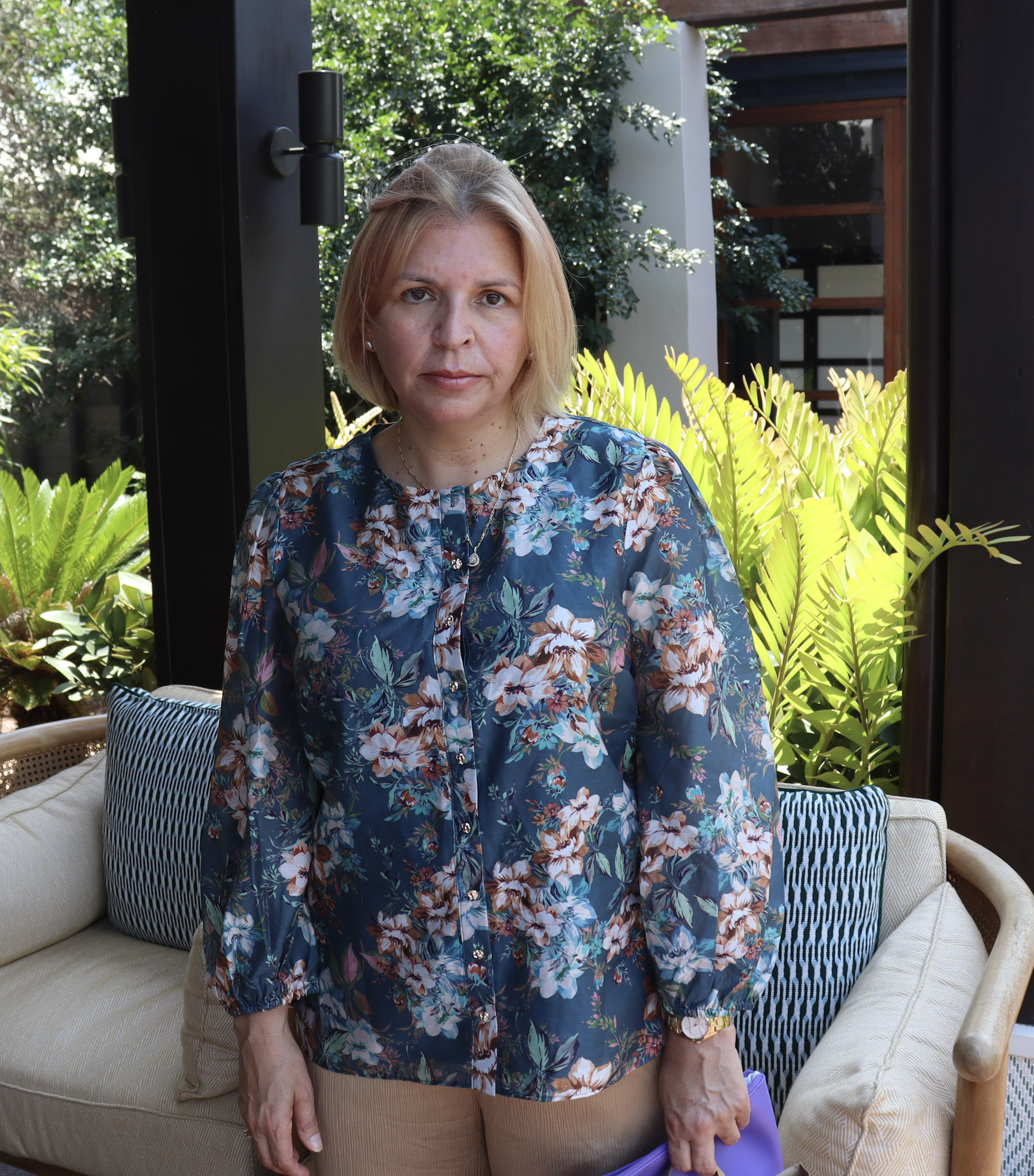
With the remains found, Dr McGlade said it is up to the region's Elders to determine how to proceed.
She is also calling for broader recognition of Wadjemup's cultural significance, urging it to be nominated for World Heritage listing.
"That recognition would be consistent with the State Government's truth-telling commitment," she said.



