


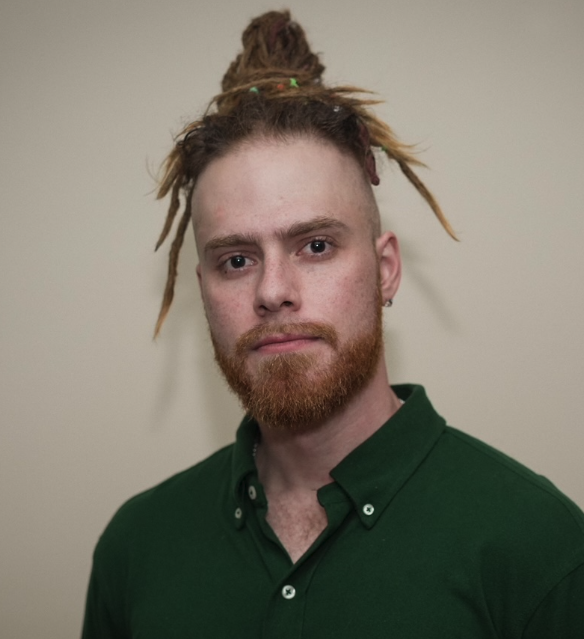

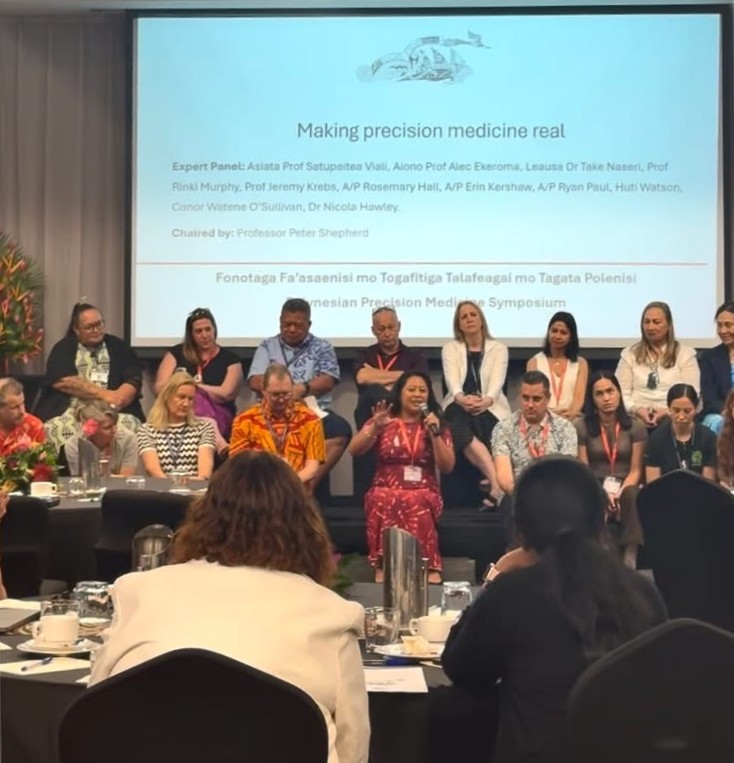
Pacific researchers, clinicians and community leaders have gathered in Sāmoa to discuss how precision medicine and genetic research can better serve Indigenous peoples across the region.
The inaugural Precision Medicine Conference for Polynesian Peoples was held from 29 to 31 July, marking a decade since research was published into the CREBRF gene variant found at high rates among Māori and Pacific populations.
The conference focused on scientific research alongside the cultural, ethical and governance issues involved in ensuring Indigenous communities benefit from advances in precision medicine.
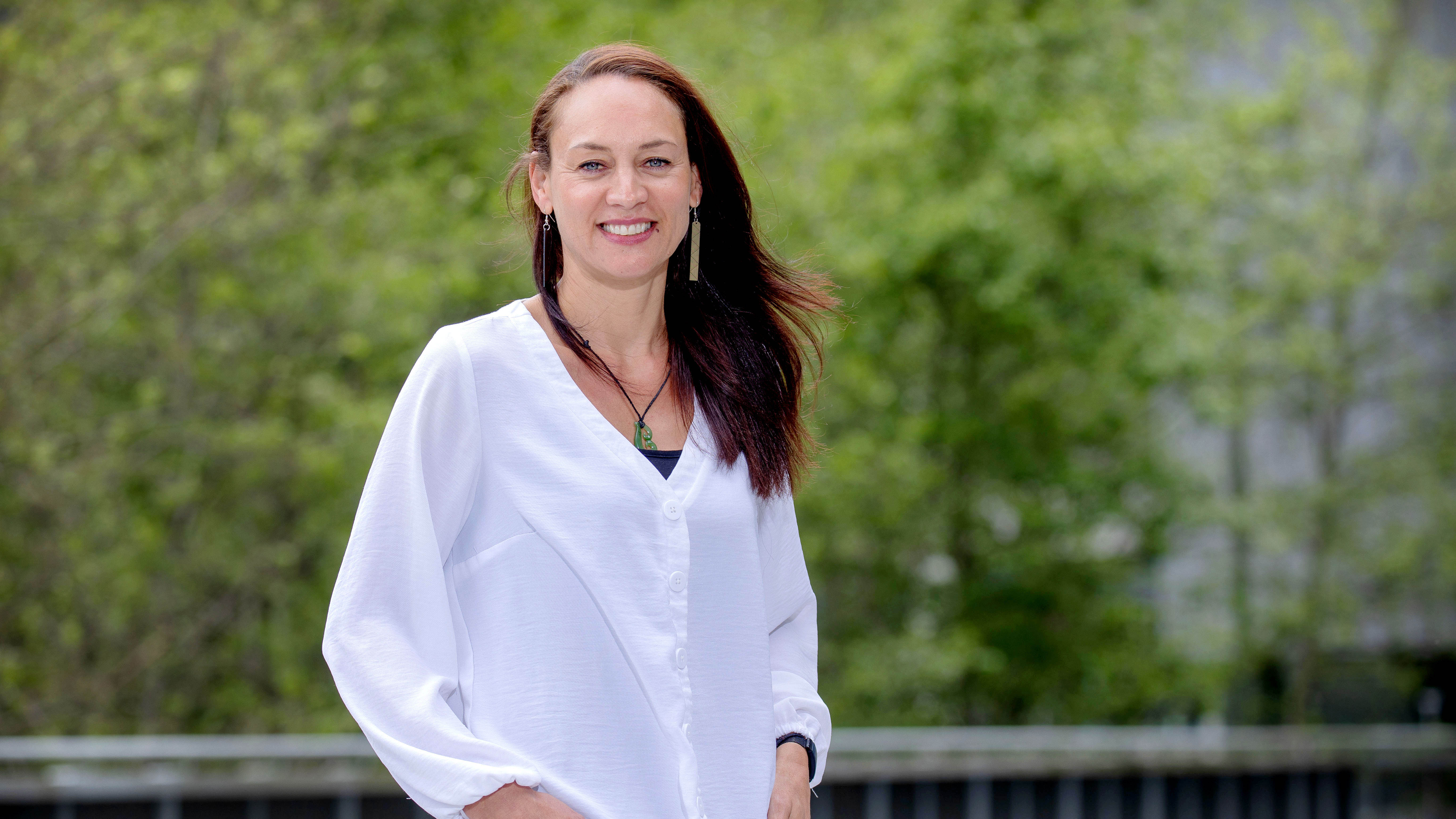
Ngāti Ruanui, Ngāti Hauā, Moto'ōtua and Falealili researcher Dr Natalie Netzler from the Waipapa Taumata Rau (University of Auckland) helped organise the conference.
Ms Netzler said bringing different forms of expertise together was central to the event.
"We wanted to bring together community voices, clinicians and researchers and weave those strands of expertise together," Ms Netzler said.
"The goal was to get everybody in the same waka, moving in the same direction for greater efficiency, greater collaboration and maximum positive impact for our communities."
The conference reflected on 10 years of research into the CREBRF gene variant, which was originally discovered in Sāmoa in 2016 by Asiata Professor Satupa'itea Viali and a research team from the United States.
Research has linked the variant with higher levels of lean muscle mass and increased bone density, while it may also provide some protection against Type 2 diabetes.
The findings have also raised questions about whether Body Mass Index, commonly known as BMI, accurately reflects body composition among Pacific peoples.
Ms Netzler said the research was helping identify differences not reflected in conventional health measures.
"One of the key messages is that BMI doesn't work well for Pacific peoples," Ms Netzler said.
"The genetic adaptations we're learning about are helping us understand that Pacific bodies may be fundamentally different in ways that aren't captured by conventional health measures."
Indigenous data sovereignty and governance were another major focus, including how Māori and Pacific communities could shape genetic research while protecting collective rights and cultural values.
Participants discussed genomic data management, community involvement in research programs and the responsible use of emerging technologies including artificial intelligence.
Ms Netzler said Indigenous understandings of DNA extended beyond the individual.
"For Māori and Pacific peoples, DNA isn't viewed as belonging only to an individual," she said.
"It is connected to our ancestors, our families and our communities.
"We have a responsibility to protect that while also ensuring we're not left behind as precision medicine advances around the world."
Researchers also discussed genetic adaptations that remain understudied because Indigenous populations are significantly underrepresented in global genetic datasets.
Much of the world's genomic research has involved European populations, creating challenges when findings are applied in healthcare settings for Indigenous communities.
Professor Peter Shepherd said Pacific-led genomic research was already identifying opportunities to improve treatment.
"This genomic research is already identifying ways to better target current medical treatment so they work best for Pacific people but, excitingly, we now also see how it can be used to develop medicines that specifically target the health issues that are most relevant to Pacific peoples," Professor Shepherd said.
Participants also discussed building Pacific research capability and governance so communities retain greater oversight of their own genomic information.
Ms Netzler said decisions about Pacific data should remain under Indigenous leadership.
"If we don't take ownership and governance over this work ourselves, then decisions about our data will be made by others without the protections that our communities expect and deserve," Ms Netzler said.
Precision medicine aims to tailor prevention, diagnosis and treatment to a person's genetic, environmental and cultural circumstances.
Organisers said the invitation-only gathering produced new collaborations and strengthened existing partnerships, with delegates agreeing the conference should become a regular event.
The next conference is expected to return to Sāmoa in two years, with future gatherings potentially rotating through other Pacific nations as the event develops.



