


More than three years ago, Australians voted against enshrining an Aboriginal and Torres Strait Islander Voice to Parliament in the Constitution.
On October 14, 2023, 60.06 per cent of Australians voted No, with all six states rejecting the proposed constitutional amendment.
Only the ACT voted in favour of the proposal.
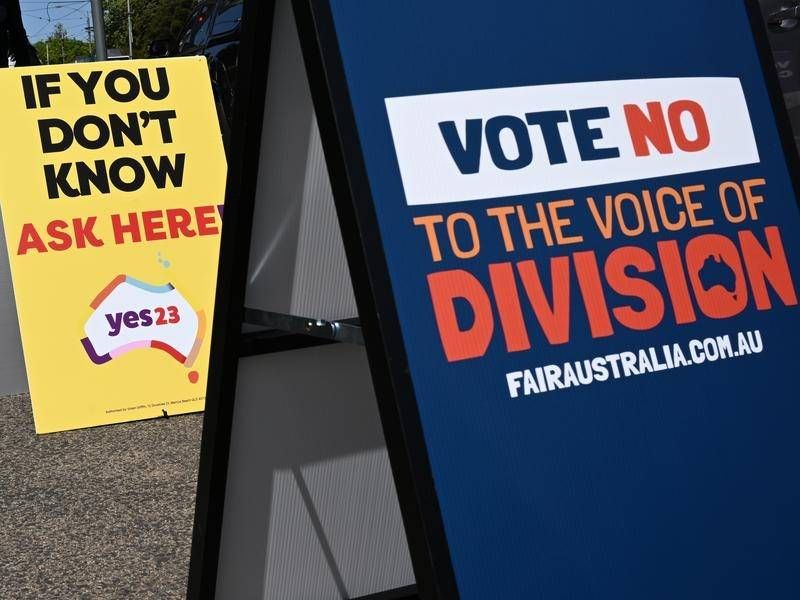
A lack of bipartisan support, political distrust, misinformation and shortcomings within the Yes campaign itself have since been identified as contributing factors.
The federal Coalition's opposition to the Voice was seen as a major factor behind the shifting of the referendum into a partisan political debate, owing to concerns over the proposed advisory body's powers and its potential to divide Australians.
Nevertheless, the majority of First Nations people voted for the proposal, with strong 'Yes' votes coming from remote polling booths.
In the years since the referendum, Indigenous leaders have pointed to several factors behind its defeat.
Cobble Cobble woman and Uluru Statement from the Heart architect Professor Megan Davis reflected on the referendum's defeat in October 2025, identifying misinformation as a barrier to meaningful public debate.
"It is to us, incontrovertible that political lies and disinformation derailed the advocacy for a voice," Professor Davis said.
The Yes campaign also faced criticism for failing to adequately address uncertainty among voters.
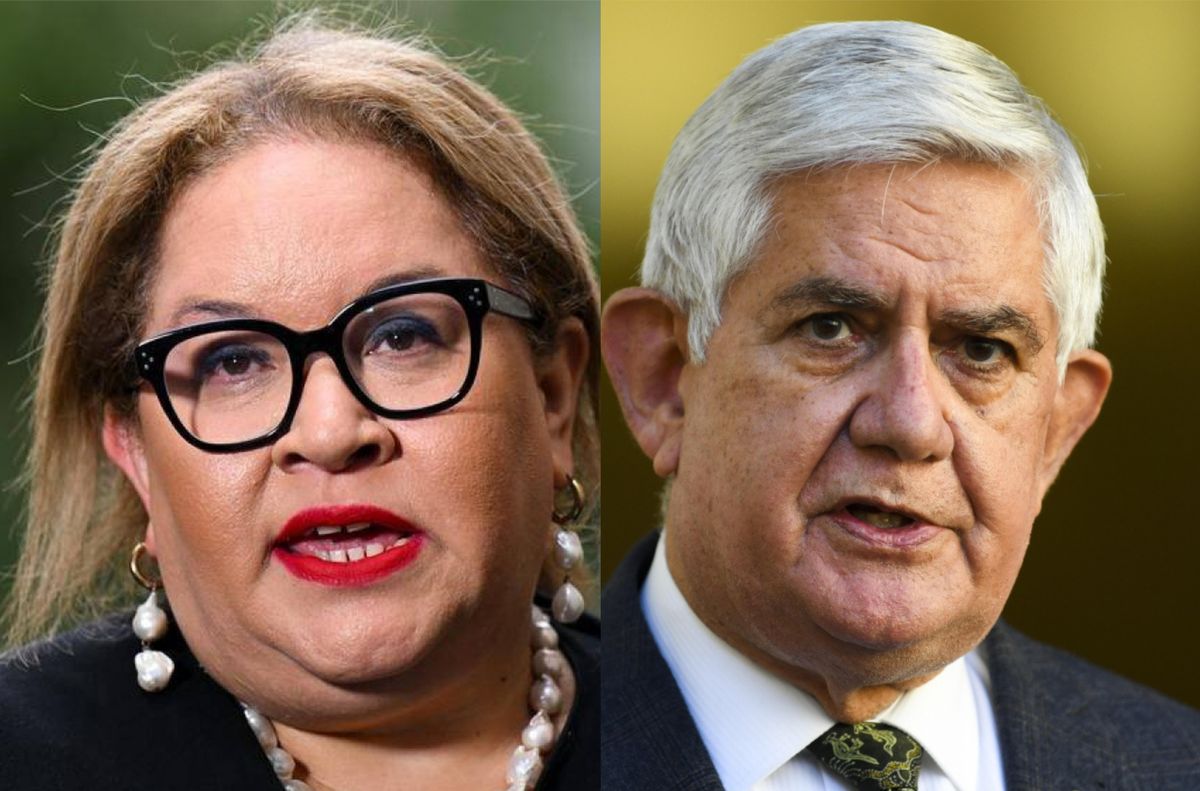
Noongar, Yamatji and Wongi man and former federal Indigenous Australians minister Ken Wyatt, who resigned from the Liberal Party over its opposition to the Voice, reflected on the campaign's shortcomings in December 2023.
"The quagmire that developed wasn't responded to," Mr Wyatt said.
"The quicksands of uncertainty became the glue that lost the vote."
Research from the Australian National University found 42 per cent of voters who intended to support the Voice in January 2023 ultimately voted against it.
Two-thirds of No voters identified concerns about national division as a key reason for their decision, despite 76 per cent believing Aboriginal and Torres Strait Islander peoples deserved a voice on key policies and political decisions.
Racism and intimidation were also identified as barriers to participation throughout the campaign.
Kaurareg Aboriginal and Kalkalgal and Erubamle Torres Strait Islander man and Voice advocate Thomas Mayo addressed these issues at a La Trobe University forum in October 2024.
"It was a tactic of intimidation, I think designed to cause people to go into silence because it was just too much," Mr Mayo said.
The referendum also exposed gaps in Australians' understanding of Indigenous history and experiences.
Addressing the relationship between historical knowledge and race relations during the 2024 Waanyi and Kalkadoon man, barrister and former Queensland Truth-telling and Healing Inquiry chair Joshua Creamer said in 2024: "While few might know us, many hold views and those views are often strongly held, and in some circles the views are quite negative."
Despite the referendum's defeat, ANU research found 87 per cent of respondents believed First Nations peoples deserved a voice, while more than 80 per cent supported a formal truth-telling process.
The findings suggest the rejection of the proposed constitutional model did not necessarily reflect opposition to Indigenous representation more broadly.



