



Australia is home to two distinct groups of Indigenous peoples - the Aboriginal and Torres Strait Islander peoples.
Both are Indigenous to Australia, and posses many unique languages, knowledge systems and beliefs, and have deep relationships with their lands and waters.
The United Nations has not adopted a single definition of the term "Indigenous", rather defining it through a set of rules such as self-identification and acceptance of a community, historical continuity with pre-colonial societies, distinct social, economical or political systems, distinct languages, cultures and beliefs and the resolve to maintain and reproduce ancestral environments and systems as a distinctive peoples.
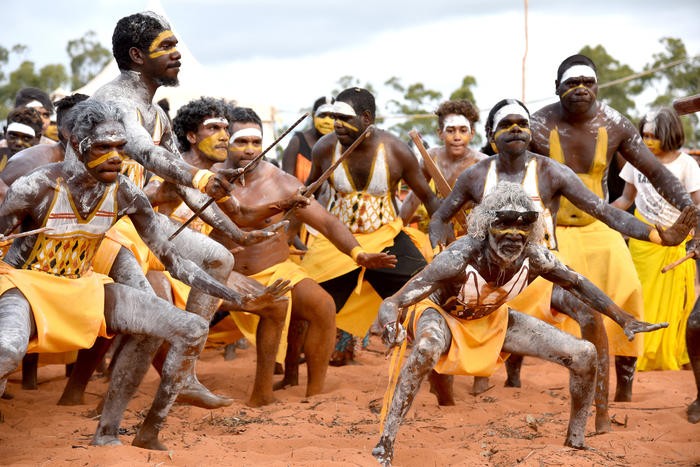
In Australia, "Indigenous" (or "Indigenous Australians") is often used as an umbrella term to collectively define Aboriginal and Torres Strait Islander peoples.
Many people prefer more specific language: Aboriginal, Torres Strait Islander, or - more recently - First Nations, and many prefer the name of their Nation or Island.
Aboriginal people are the First Peoples of mainland Australia and many surrounding islands.
They belong to hundreds of Nations and language groups whose culture dates back more than 60,000 years.
There were once more than 250 languages across the continent, tied to specific Countries and peoples.
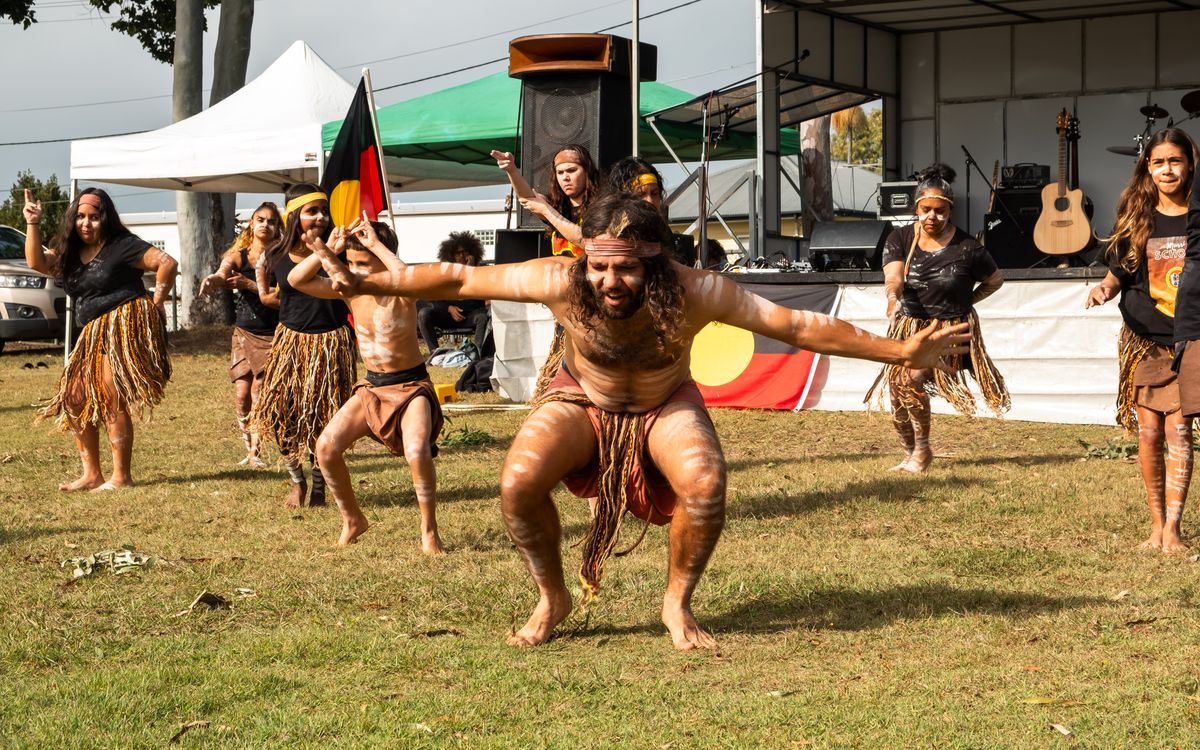
Many Aboriginal people also use broader regional terms such as Murri, Murdi, Goori or Koori, Nunga or Noongar, Yolŋu (Yolngu), and many more.
These words link people to larger cultural regions as well as to their own Nation and language group.
People may also describe themselves as saltwater, freshwater, desert, rainforest, rock or spinifex people.
These terms reflect the environments and ecosystems to which they belong.
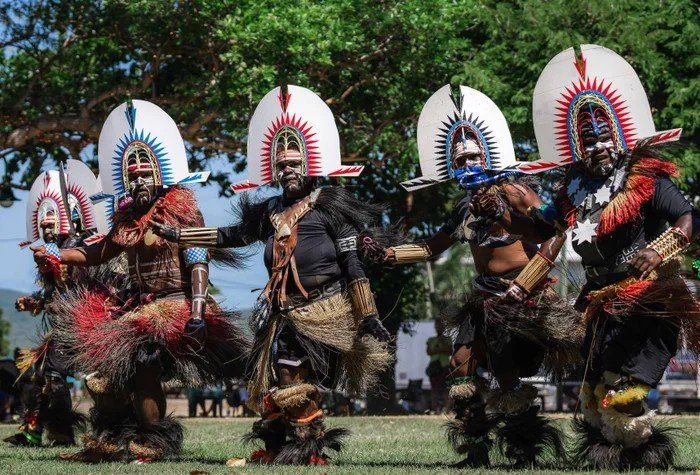
Torres Strait Islander people are the First Peoples of Zenadth Kes (Torres Strait Islands).
These islands sit between the tip of Cape York Peninsula and Papua New Guinea.
Torres Strait Islander cultures are strongly sea-based and are often described as part of a wider Melanesian world.
People commonly identify first by their home Island or Island group.
For example, a Meriam person is from Mer (Murray Island) and a Saibai man or woman is from Saibai Island.
Each Nation or Island group has its own laws, kinship systems, languages and cultural practices.
These systems guide responsibilities to Country and to community and shape who is recognised as a member.
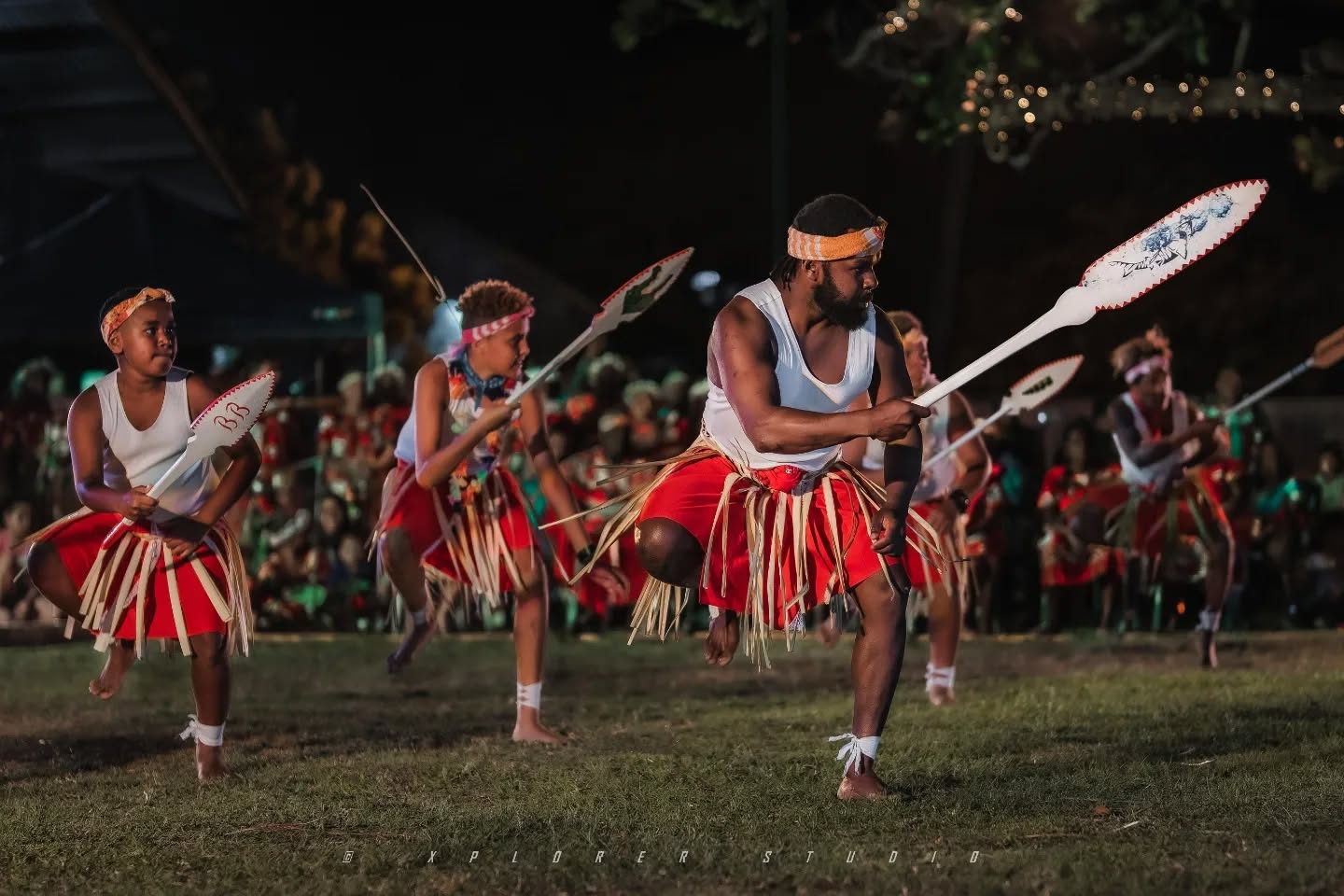
In Australia, "Indigenous", "Aboriginal" and "Torres Strait Islander" are capitalised, like the names of any other group of peoples.
Acronyms such as ATSI are generally discouraged and can be seen as disrespectful outside of organisation titles.
The safest and most respectful approach is to ask individuals and communities how they wish to be described.
There are also legal and policy reasons these distinctions matter.
Many grants, scholarships, services and university programs are specifically for Aboriginal and Torres Strait Islander peoples. They exist to address the impacts of colonisation and ongoing social, health and educational inequality.
People may be asked to confirm their Aboriginal or Torres Strait Islander heritage when accessing these programs. This helps ensure that supports created for Aboriginal and Torres Strait Islander peoples reach the communities they are intended to serve.
Despite different cultures and histories, Aboriginal and Torres Strait Islander peoples share some experiences.
Both have lived through dispossession, discrimination, forced removals and efforts to control land, waters and identity.
Both continue to assert their rights, protect their cultures and care for their Countries and sea Country.



