



For Aboriginal and Torres Strait Islander people, land - or Country - represents more than just a physical place on a map.
Country carries deep meaning, connecting everyday life from culture, language, kinship, law and lore to identity.
Unlike Western views of land as property that is generally owned, developed or sold, Indigenous people see land as one that holds the stories, ancestors and knowledge.
It is both a source of life and a responsibility.
When the land is taken from, steps are put in place to ensure land will heal.
Caring for Country is not simply about environmental management - it is about balance, respect and reciprocity.
The health of the land and water is a key part of this relationship.
When Country suffers, so do the people.
This is why the Stolen Generations, where Indigenous people were forcibly removed from their Country, caused such devastating and long-lasting impacts.
Losing access to the land meant losing language, culture and identity, which are connections that cannot be easily restored.
Country also holds a place in creativity and expression.
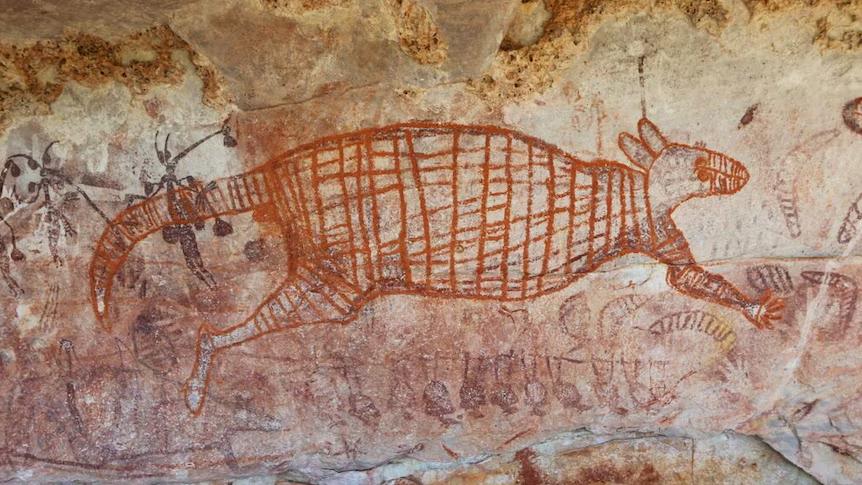
Aboriginal art, for example, tells stories of land, water and creation - these are often known as "dreaming stories".
These works were originally created with tools from the earth.
For 65,000 years, they have been records of cultural knowledge and longstanding traditions, mapping the intimate connection between Indigenous Australians and Country.
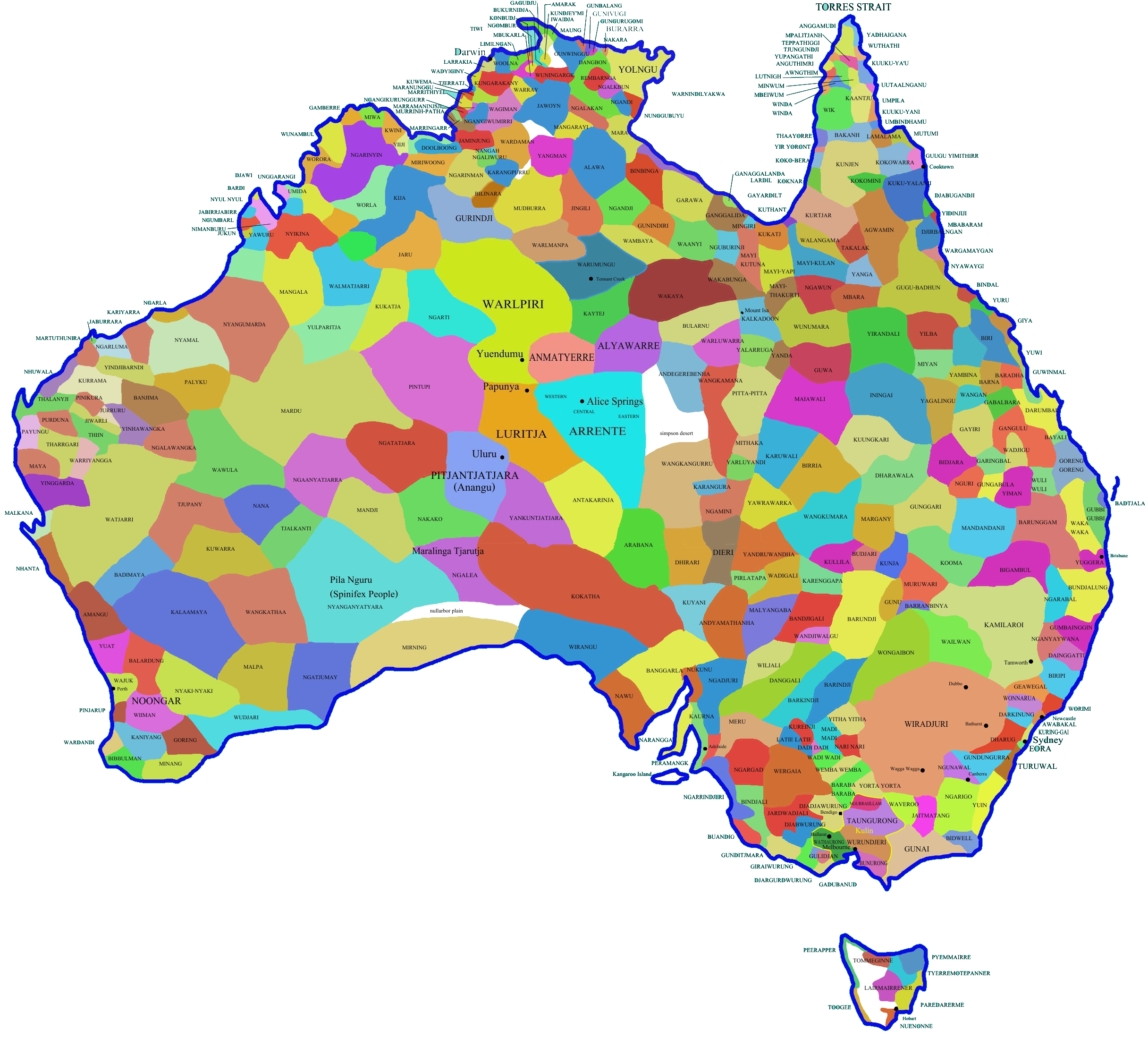
Prior to colonisation, there was an estimated 500 unique Indigenous languages and dialects spoken across the continent. Nowadays, only around 120 remain.
These languages and dialects were split among the 250 tribes or clans, often separated by water ways and mountains.
Today, acknowledgements of Country are one way all Australians can show respect to the Traditional Owners and custodians of the lands Australians live and work on.
Though for Indigenous people, Country remains at the heart of who they are.
Land is not just where they live - land is identity, family, culture and lore.



