



Māori whānau (extended families) across Waikato, Hauraki and King Country continue to face barriers to healthcare, with cost, distance and low GP enrolment affecting their ability to access services.
Te Tiratū Iwi Māori Partnership Board released its refreshed 38-page Community Health Plan 2026-2029 on Monday, identifying gaps in healthcare across 10 communities and calling on Te Whatu Ora (Health New Zealand) to address them at a local level.
The plan draws on findings from Taumarunui, Te Kūiti, Ōtorohanga, Te Awamutu, Tokoroa, Putāruru, Thames, Paeroa, Raahui Pookeka/Ngaaruawaahia and Kirikiriroa (Hamilton).
Through hui (meetings), surveys, Whānau Ora (family wellbeing) navigator insights and local service data, the Board identified ongoing difficulties accessing doctors in rural King Country and South Waikato.
Whānau also reported delays in referrals, breakdowns in communication between healthcare providers and frustration at having to repeatedly explain their circumstances.
"I am sick of having to repeat myself every time to all the services," one Taumarunui whānau told the Board's Whānau Voice team.
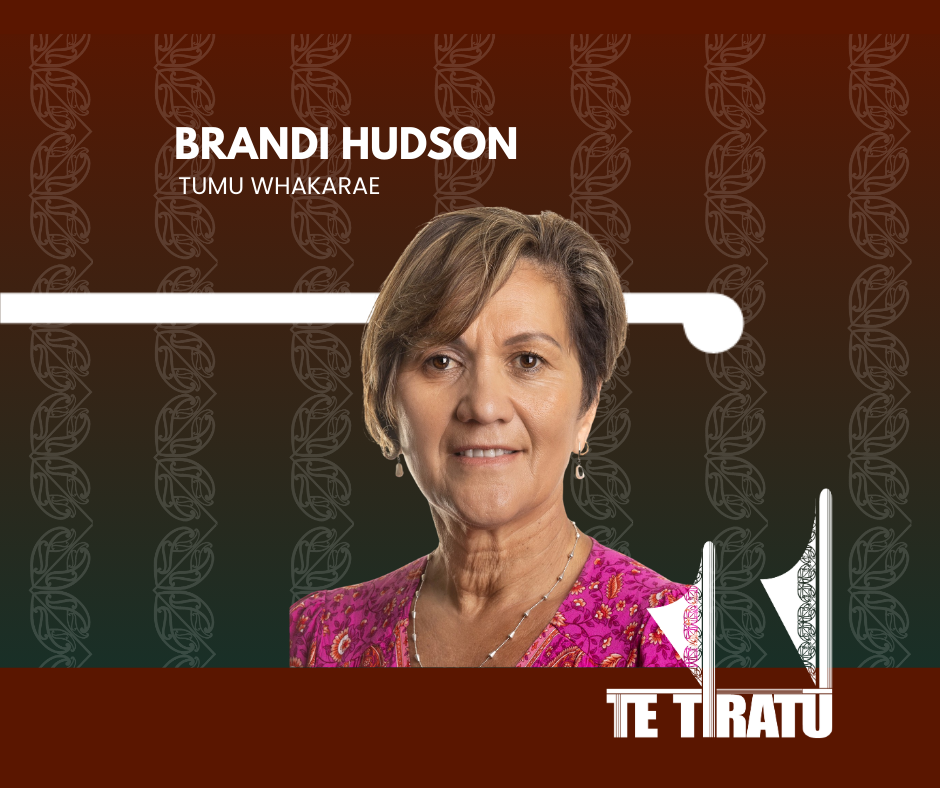
Te Tiratū Iwi Māori Partnership Board Tumu Whakarae (chief executive) Brandi Hudson (Ngāti Maniapoto, Ngāti Rarua, Ngāti Pikiao) highlighted the need for greater continuity of care across the health system.
"Whānau have been really clear with us," Ms Hudson said.
"They want care that is easier to reach, trust, afford and stay connected to.
"Right now, too much of what they tell us disappears inside the system."
The plan identified lower rates of GP enrolment among Māori, with concerns a substantial number of whānau may not be enrolled with a GP at all.
It also highlighted a reliance on healthcare interventions after stress, illness or crisis had escalated.
Te Tiratū has established six priorities for the next three years, including healthcare access, service navigation, trusted kaupapa Māori (Māori-led and culturally grounded) care, prevention and rangatahi (young people) wellbeing, whānau voice, and workforce and data capability.
Community-led initiatives are already addressing some of these barriers, with a mobile dental service and community outreach van operating in Taumarunui to reduce the need for whānau to travel.
Te Tiratū has also established a Whānau Voice, Rural Podiatry and Foot Care Assistant Pilot to improve access to preventative healthcare for rural Māori whānau across the Waikato rohe (region).
Beginning in Kāwhia, with 100 whānau already booked, the pilot aims to provide preventative foot care and earlier intervention while developing a qualified local workforce supported by clinical governance.
The model has been designed for expansion across the region.
The Board is calling on Te Whatu Ora, primary health organisations and local healthcare providers across the Tainui waka rohe (tribal region associated with the Tainui ancestral canoe) to agree on three initial actions, with clear responsibilities and 90-day milestones.
It is also seeking town-level data on Māori GP enrolment, healthcare access, waiting times and completed referrals, alongside measures tracking whether patients complete their care rather than simply attend an initial appointment.
The Community Health Plan follows the release of Whiria Te Ora (Māori Health Strategy 2026) by Manatū Hauora (Ministry of Health) three months earlier.
The strategy outlines expectations for Te Whatu Ora to support Iwi Māori Partnership Boards in gathering whānau feedback and incorporating findings into national monitoring.
Ms Hudson emphasised the importance of localised data in addressing healthcare disparities and ensuring community feedback leads to change, as outlined in the Board's hauora (health and wellbeing) reports.
"District averages hide what's happening in Paeroa or Te Kūiti," she said.
"Our Hauora Report Series shows exactly where access is weak and where pathways are breaking.
"We want whānau to see a straight line from what they tell us to what actually changes."



