




Rio Tinto has committed US$250 million ($371 AUD) to a fund aimed at addressing the environmental and social impacts of the former Panguna mine in Bougainville.
Following an agreement with Bougainville Copper Limited (BCL), the Autonomous Bougainville Government (ABG) and community leaders, the fund will support responses to impacts identified through the Panguna Mine Legacy Impact Assessment (PMLIA).
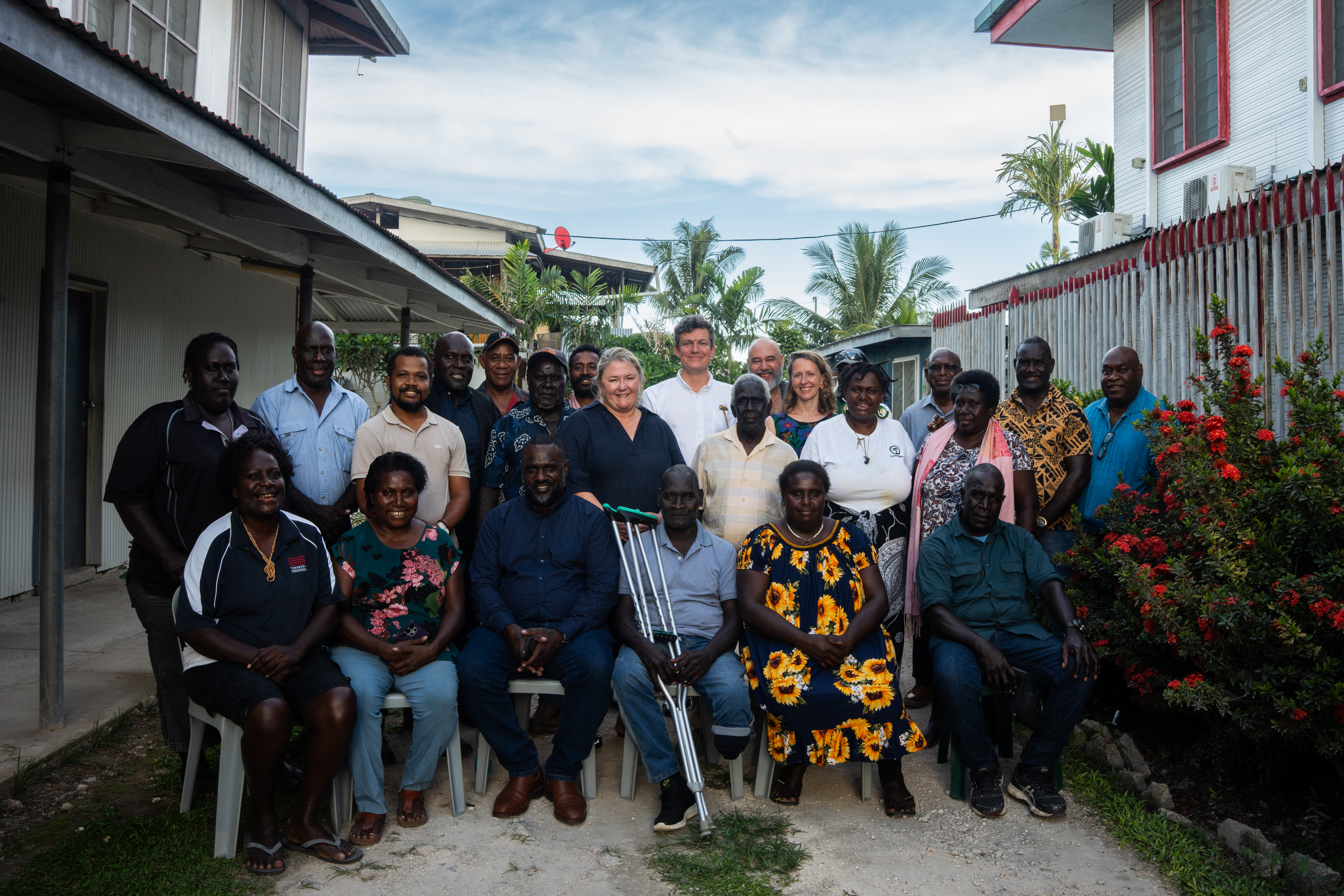
Community leader and lead complainant Theonila Roka-Matbob said the agreement marked an important step towards addressing the impacts experienced by Panguna communities.
"I want to recognise all the community leaders whose blood, sweat and tears have brought us to this moment," said Theonila, whose work was recognised in April with a 2026 Goldman Environmental Prize.
"I also want to acknowledge Rio Tinto's willingness to come back to Bougainville, to engage with us in this process, and make this substantial financial commitment.
"We have a lot of work still ahead of us, but the establishment of this fund gives us the chance to find solutions to the huge problems we have been living with since the days of the mine's operation. All of us must now work together with urgency to turn this commitment into real, lasting improvements in the lives of our people."
The PMLIA followed a complaint by local communities over ongoing environmental and human rights impacts linked to the former mine.
During its operation between 1972 and 1989, more than a billion tonnes of waste were released into the Jaba and Kawerong rivers. Rio Tinto was the mine's majority owner until 2016, when it divested and transferred its shares to the PNG and Bougainville governments.
In response to the complaint and pressure from activists, Rio Tinto agreed in 2021 to fund the PMLIA.
Undertaken by global environmental consulting firm Tetra Tech Coffey, the assessment found that, at some sites, violations of Indigenous peoples' rights to water, education and culture had taken place.
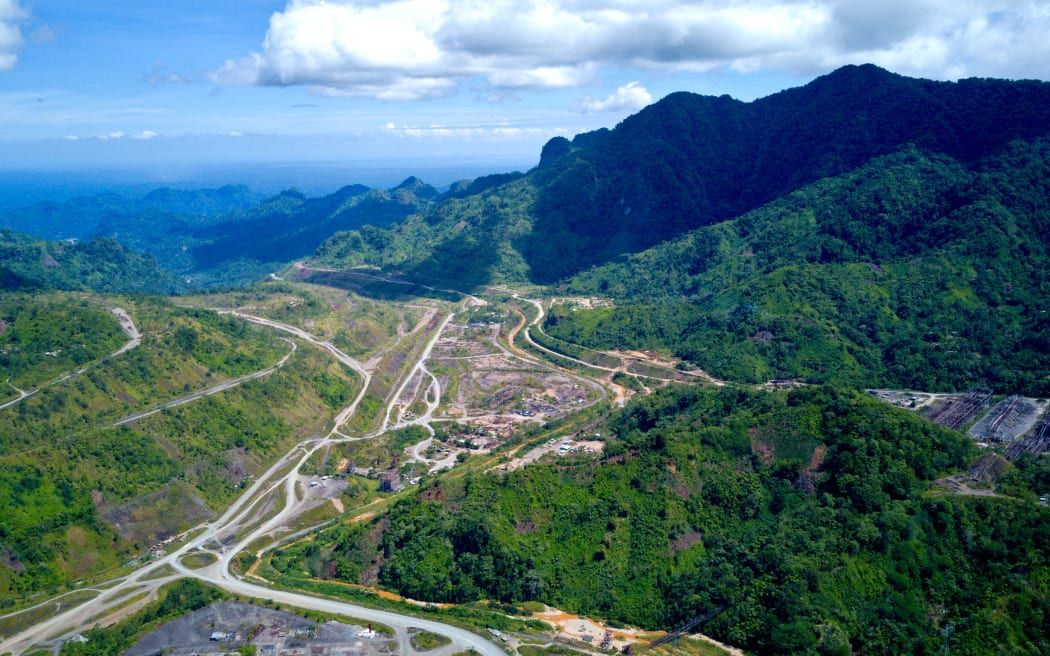
It found parts of the mine pit, levee, roads and old buildings were at extreme risk of collapse, with the potential to cause deaths and cut off access to medical care for local communities.
Rio Tinto Chief Safety and Technical Officer Mark Davies said the company's contribution was intended to help move the process from assessing legacy impacts to implementing practical remedies.
"Rio Tinto's contribution towards addressing findings of the PMLIA is intended to support the transition from the assessment to practical remedy implementation," he said.
"Community engagement is an important next step to identify priorities and we remain committed to working with communities to shape the activities supported by the fund."
The fund will support practical responses to impacts in river and delta areas, as well as social programs for communities across all areas identified in the assessment, including the mine, port and town areas.
Detailed priorities and the scope of remedial work will be developed in consultation with affected communities, while the fund's structure, governance and delivery arrangements will also be developed in consultation with communities, the ABG, BCL and Rio Tinto.
Bougainville President Ishmael Toroama said the fund represented an opportunity to deliver lasting benefits to communities.
"Through practical improvements to local infrastructure and support for livelihoods, we are on the path to making a meaningful difference to villages and communities," he said.
"This work will deliver benefits not only for people today, but for future generations. Continued engagement with our communities will be essential to ensuring the work responds to local priorities and delivers lasting outcomes."
The announcement follows years of work by the PMLIA Oversight Committee, which includes representatives from the Papua New Guinea Government, the ABG, landowners and communities, BCL, Rio Tinto and the Human Rights Law Centre.
Several projects are already underway in Central Bougainville to address high-risk impacts identified through the assessment.
These include work to address ageing infrastructure posing severe risks to nearby communities, the removal of hazardous materials from the Loloho Port area, bridge construction, flood mitigation measures and geotechnical monitoring.
A multi-year water and sanitation project is also underway to address acute needs in the former mine corridor.
Chief Secretary to the ABG Kearnneth Nanei said the government "remains committed to working with RT and BCL on the remedial programs with the Panguna Mine Legacy while at the same time managing the ongoing activities with redevelopment of Panguna Mine undertaken by Bougainville Minerals Ltd".
Human Rights Law Centre Legal Director Keren Adams said the fund provided an opportunity to address environmental damage that had remained unresolved for decades.
"It is a testament to the courage and persistence of community leaders, and the willingness of all parties to engage in difficult but constructive dialogue," he said.
"The significant funding contributed by Rio Tinto creates a real opportunity to now address an environmental disaster that has remained unresolved for decades. Affected communities must remain at the centre of decision-making in order to deliver meaningful environmental and social outcomes for current and future generations."
The fund and associated activities will remain separate from future decisions about mine and port redevelopment, which are the responsibility of the ABG and the people of Bougainville.



