



Note: This piece contains references to domestic and family violence and the abuse of children.
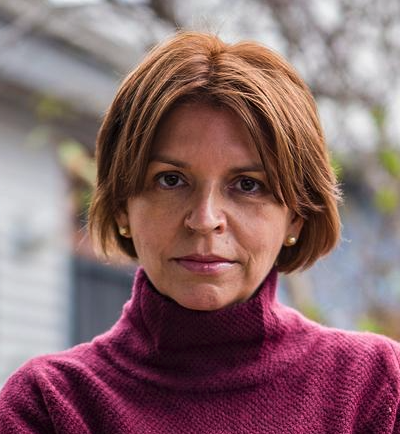
Dorothy Papertalk lost her three grandchildren in 2022, at the hands of their mother, her daughter Margaret. For the first time Dorothy has spoken about the events leading to the children's deaths. She is calling for change - the lives of her precious "grandies" must mean something today. Dorothy is right: three innocent children were killed, and we must listen to her voice and calls for action.
There is no doubt the systems established to protect children - the child welfare system - failed to act despite clear evidence of abuse reported by Dorothy, the school and the police. They had a duty to protect children at risk of serious harm. In this case, the children endured years of harm linked to the brutal violence inflicted on Margaret by partners, Aboriginal and non-Aboriginal men, and in the children's presence. The children also experienced violence and abuse from their mother. Margaret was addicted to methamphetamine after being introduced to it by a former partner, a non-Indigenous man. She'd attacked her daughter just a week before murdering her, and on that very morning had begged a women's refuge to take her and the children in. She was afraid of herself.
As a grandmother who understood the danger the children were living in, Dorothy pleaded with non-Aboriginal caseworkers to remove them and place them in her care. They refused to listen or act. They also failed to take seriously the many police reports of violence in the home, as well as concerns of a teacher. Instead, while acknowledging the risks, they said the children had Dorothy and this reduced the danger. This logic defies common sense and neglects their statutory duty. Dorothy was not the lawful carer and could not restrain her daughter from collecting the children from her knowing full well they were in danger, from mum and others in her home.
The failures of the systems meant to protect Dorothy's grandchildren are clear. They extend beyond the department caseworkers who were negligent and who should be held to account as their failures led to three children's deaths. The refusal for a coronial inquest allows them to escape any responsibility for their own conduct - notwithstanding three young children lost their lives in an extremely violent manner.
The issue of the Coroners Court failing Aboriginal people and respond to systemic racism, even when deadly, is well known with calls to reform the coronial process ignored. The children had multiple contact with the department and the police before the murders and a coronial inquest was necessary. Federal MP Julian Leeser has now called on the WA Attorney General Tony Buti to hold an inquest stating, saying "The massive failure of child protection evidenced ...warrants nothing less". No response from the federal minister for Indigenous affairs Malarndirri McCarthy on this case was forthcoming.
The capacity of women's refuges in Port Hedland is also brought to light here. Unfortunately, mainstream refuges have not always been accessible to Aboriginal women, and the refuge also did not act on the risk to the children in the circumstances. This happened in a town making unimaginable profits from the mining industry, also raising questions about the responsibility of the company to the town and its children.
And where was the community health response? Involuntary mental health treatment is appropriate and required where mental illness poses a risk to safety of self and others, and there is a lack of mental capacity or insight. All the above appear met in this case, especially as children were at risk and yet the health response is absent.
Dorothy does not mince words and blames the men who over years used whatever weapons they could to attack, maim and try and kill her daughter. She's right that violence, as well as the increasing addiction that comes with methamphetamines or 'nyarbi' as it's called in the Pilbara, underlined the murders. And it's no secret that social security payments are used to buy it. In Dorothy's words: "She needed to keep the grandies in her care because she received the child welfare, which she spent on drugs and drink. I never doubted she loved her children, but she was driven by the drugs."
Many years ago, more than 25 years ago, the Gordon inquiry into Aboriginal family violence called for a 'sea change', supporting Local Action Groups, including Aboriginal community members to lead safety responses. This was ignored by the state who decided to combine child safety and policing leading to mandatory reporting measures (as well as increased removals of children). Yet in this case the departmental workers ignored the police report and concerns as well as Dorothy's. The Inquiry also recommended an Aboriginal Children's Commissioner, still neglected by the state and undermining the CCYP's own legislative commitment to Aboriginal children.
While recent reforms such as the Aboriginal Representative Organisations or AROs are welcomed, the decision-making role is retained by the department who lack competence and can endanger children. All too often Aboriginal women, grandmothers and family carers, are ignored by the department whose attitude displays paternalism.
As Aboriginal people we must also tackle the hard issues raised by the children's murders. The epidemic of meth or nyarbi is killing our people, even little children. With violence, it's a key driver of children removals today. Aboriginal rehabilitation and healing programs are urgently needed; we must demand government and industry investment. And most of all, listen to the elders, the grandmothers especially, and make sure that women and children's lives truly matter in all that we say and do.



