


Warning: This article contains references to domestic violence, racism, racial sluts, assault, psychological trauma and suicidal thoughts.
A Noongar woman moved into public housing seeking peace and a chance to rebuild her life. Instead, she says she has spent the past two years fighting racism, intimidation, violence and for the basic right to feel safe in her own home.
I thought I was finally safe
In November 2024, I moved into an over-55s public housing complex in Boorloo / Perth. I was looking for peace, stability and the opportunity to rebuild my life after surviving years of domestic violence.
I wanted somewhere I could feel safe, regain my independence and continue working on my recovery. I never imagined that the place I had chosen to rebuild my life would become another environment where I felt frightened, intimidated and unwelcome.
I am a Noongar woman living with disability. I have spent years trying to overcome the effects of trauma. I did not move into public housing looking for conflict. I moved there because I needed a home.
What followed has affected almost every part of my life.
A lifetime spent rebuilding
Before moving to my current home, I had already survived years of domestic and family violence. My former partner was heavily involved with methamphetamine and alcohol. Although our relationship ended after four years, the abuse, intimidation and controlling behaviour continued long afterwards.
There were times when I had to leave with little more than the clothes I was wearing. I moved between places and, at one stage, kept a low profile because I was frightened.
I eventually left my home I'd lived in or 11 years in 2018 and moved into private rental accommodation, despite the financial pressure. I was trying to put distance between myself and the violence.
The experience left lasting psychological harm. I have worked with a clinical psychologist for years, trying to recover and regain confidence and independence. My disability affects my ability to manage daily activities, particularly when I am confronted with overwhelming stress or conflict. Under extreme pressure, I can become emotionally overwhelmed and shut down.
I have worked hard to rebuild a life after what happened. Moving to my current home was meant to be another step towards that recovery.
Instead, I found myself facing another battle.
When racism makes you feel like a stranger in your own home
Not long after moving in, I began experiencing hostility from two older male neighbours. One lived opposite my home and the other lived next door. They were friends.
I began receiving disruptive behaviour reports almost weekly, something I had not experienced in my previous public housing. I felt as though I was being targeted, and I became concerned that the reports were being used to put pressure on me or make me feel unwelcome.
I raised concerns with the Department of Housing, but I was told not to worry.
The racial remarks began in December 2024. Some of the comments directed at me included:
- “I’m sick of you Blacks cutting my hose for your drugs.”
- “I’m sick of you bringing Indigenous people into the building.”
- “This isn’t the right place for you.”
- “Go back to the bush where your people belong.”
- “Your NDIS workers should be wearing uniform.”
- “Go get a job, you abos.”
- “I hate Aboriginal people. They don’t belong here.”
- “You’re getting special treatment because you’re Aboriginal.”
There were other deeply degrading remarks.
I do not use drugs. My NDIS workers attend my home to provide disability support. They are entitled to enter my home without being subjected to hostility and violence or having their presence treated as something suspicious.
The layout of the complex made the situation particularly difficult. The practical route in and out of my home took me past the front door of one neighbour and the entrance of the other. I felt watched, intimidated and unable to move freely around my own home.
There were times when I would quietly move around, trying not to attract attention. I should never have had to tiptoe around my own home to avoid racist comments or confrontation.
The neighbour next door also used racial slurs, including "coon", "abo" and "bush pig".
I challenged the behaviour and made it clear that it was unacceptable. I tried to stop it before matters escalated.
I cannot know whether the behaviour was connected to ingrained racism or something else, age or health circumstances do not make racist remarks acceptable, nor do they remove the impact on the person receiving them.
Other women were frightened too
My concerns were not limited to my own experience.
I spoke with other women living in the complex who described feeling intimidated and uncomfortable. One older non-Indigenous resident told me she had changed her mailing arrangements to a post office box because she did not feel comfortable collecting her mail after experiencing verbal abuse, from these two men.
Other women told me they felt their concerns were not being taken seriously by Housing.
I cannot speak for every resident, and these are their accounts as shared with me. But I can say that I was not the only woman describing fear and distress in the complex.
I began to question how many residents were quietly putting up with behaviour because they did not believe anyone would listen.
I asked for help before things escalated
On 2 January 2025, I formally raised concerns with Housing about the neighbour opposite me. I was trying to get help before the situation became worse.
I also sought assistance through Wungening Aboriginal Corporation's Safe at Home program, which provides culturally safe support to Aboriginal women experiencing domestic and family violence. The service assists women to remain safely in their own homes where possible, rather than automatically having to leave their homes and communities.
The support includes risk assessments, individual safety planning, home security assessments and upgrades, case management, advocacy and liaison with police, housing authorities and other relevant services. Security measures can include alarms, sensor lighting, security locks, screens, gate security and surveillance cameras.
Importantly, Wungening also raised concerns with Housing about the racism I was experiencing and provided advocacy to help ensure my concerns were heard and brought to the attention of the relevant housing authorities. This included advocating around my safety, housing circumstances and the need for appropriate responses to the behaviour I was reporting.
As part of my own safety planning, I worked towards strengthening the security of my home, including installing cameras. These measures were intended to help protect me, monitor activity around my property and provide evidence if further incidents occurred.
A few months later, the racist behaviour from the neighbour next door added another layer to an already distressing situation I was dealing with involving the neighbour opposite my home.
My concerns about racism were not being raised by me alone. My psychologist also raised concerns about the racism and its impact on my psychological wellbeing.
My NDIS support workers were also directly exposed to racism, hostility and a violent assault by a neighbour. Their experiences were significant enough that they prepared affidavits documenting what they had witnessed and experienced themselves.
This was no longer simply a matter of me reporting difficulties with neighbours. My concerns were supported by professionals who had witnessed aspects of the behaviour firsthand, experienced hostility themselves and formally documented their accounts.
Seeking assistance through Safe at Home was another step I took to protect myself. I was trying to establish safety and stability in my home, not surrender my home or be forced to relocate because of other people's behaviour.
It raises an important question about whether the seriousness of these concerns was adequately recognised and acted upon by Housing.
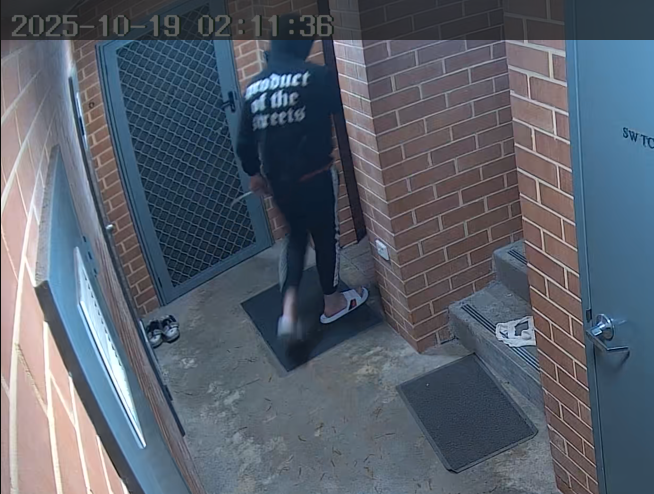
The impact of racism on my health
The ongoing hostility, fear and uncertainty began taking a serious toll on my health.
In early July 2025, my wellbeing deteriorated. I experienced a breakdown and was admitted to Royal Perth Hospital. I was discharged on Friday, 18 July.
The following morning, Saturday 19 July, at approximately 10.30am, I received a racist text message:
"FILTHY COON SLUT."
I reported the message to Police and Housing. I suspected it had come from the neighbour next door. Police informed me that the phone number had been traced, or "pinged", to his address. I understand he claimed that his phone had been stolen.
I questioned that explanation and was distressed by the way the matter initially appeared to stall. I was also left wondering how the sender had obtained my number.
Receiving that message so soon after leaving hospital was devastating. It was not simply an offensive text. It was another reminder that the racism and intimidation I had been trying to escape had followed me into my home.
I had already spent years trying to recover from domestic violence. Now I was struggling to cope with hostility in the very place where I was supposed to feel safe.
Seeking protection, then being assaulted
On 16 September 2025, I attended Perth Magistrates Court seeking a restraining order.
I was initially advised at the counter to apply for a Violence Restraining Order because of the racial element. However, the information I received from the magistrate was different, and I was told to pursue a Misconduct Restraining Order instead.
I was overwhelmed and emotionally shut down. I left without the protection I had gone to court seeking.
Six days later, on 22 September 2025, I was assaulted by the neighbour opposite me inside the complex.
My NDIS support worker witnessed the assault. Another resident had witnessed verbal abuse the previous day and later provided a statement.
I attended Royal Perth Hospital, where an X-ray was taken and my arm was placed in a sling. An orthopaedic assessment on 1 October 2025 identified an acromioclavicular joint dissociation, likely Grade 2.
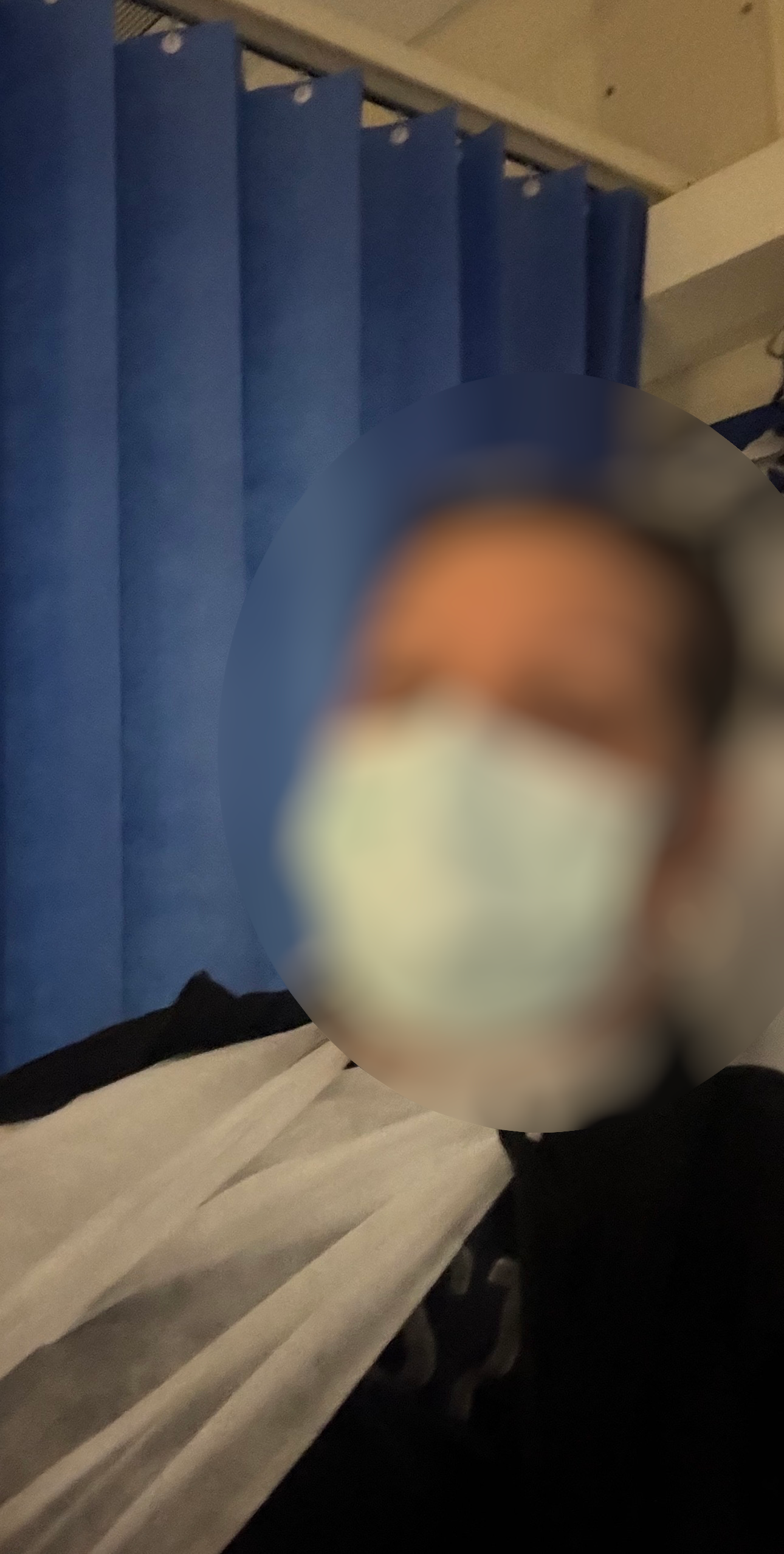
The matter was initially investigated as common assault. Following the medical report, the charge was upgraded to assault occasioning bodily harm. After the defendant's lawyer requested an MRI, the charge was later downgraded to common assault because I could not tolerate the scan.
I have a disability and could not manage the confined MRI environment. I was told there were conflicting medical reports, but I was not given an adequate understanding of their contents or how they affected the decision.
I felt that the difficulties my disability created in obtaining further medical evidence were not properly understood.
The neighbour ultimately pleaded guilty and was convicted of common assault. That conviction mattered to me because it formally recognised that an assault had occurred.
I continue to experience shoulder pain and the psychological effects of what happened.
When seeking protection becomes another battle
After the assault, the neighbour made a Misconduct Restraining Order application against me. I found it deeply distressing that, after I had been the person seeking protection, I was now having to defend myself in another court process.
I was trying to avoid confrontation, not create it.
On 20 May 2026, following a court appearance relating to his application, the neighbour walked behind me and made mocking sounds. My NDIS support worker heard and witnessed him standing directly behind me.
At the time, he was subject to an order restricting contact and requiring him to maintain a specified distance. My support worker and I provided statements to Police about what we say occurred.
I understand this matter was treated as an alleged breach. It is important to distinguish an allegation from a finding by a court.
When evidence goes missing
The handling of the court footage from the 20 May incident has caused me further distress.
The investigating officer sought available court footage to assist with the investigation. I understood that the officer had promptly requested the video because it could provide independent evidence of what happened.
I was later informed that only audio recordings were available. After waiting approximately five months, I discovered that the video footage had been deleted after 30 days.
I was devastated.
I had believed that the footage had been requested and that it might help establish what happened. Instead, the opportunity to preserve potentially important visual evidence had passed.
I believe the delay, the communication about the footage and the failure to preserve it deserve proper examination. For someone already struggling to have their experiences taken seriously, losing potential independent evidence is another blow.
Systemic failures that have left me fighting for safety
My experience has involved more than the behaviour of two neighbours. It has involved trying to navigate several systems while living with disability and dealing with the effects of trauma.
I have had to report incidents, seek restraining orders, provide statements, attend court, obtain medical treatment, explain my disability and repeatedly raise safety concerns with Housing.
There have been times when I have felt passed from one process to another, without the underlying problem being resolved.
I recognise that Police have a role in investigating offences and that courts must consider evidence and determine matters according to the law. I am not asking anyone to bypass due process.
But a charge or conviction does not, by itself, make a person feel safe in their home. A restraining order does not physically secure a front door. And a resident should not have to wait for another incident before their housing provider addresses an ongoing safety concern.
I have also experienced the difficulty of pursuing protection while managing a disability. When I could not tolerate an MRI, that affected the medical evidence available in the assault matter. When I became overwhelmed at court, I left without the protection I had sought.
These are not small obstacles for someone already living with the effects of trauma.
My concern is that systems can focus on individual incidents while the conditions that allow residents to remain frightened in their homes continue.
Security is not the same as feeling safe
I acknowledge that Housing arranged security modifications at my property. I appreciate that work was undertaken, including changes intended to improve access and provide another way in and out.
However, the work did not resolve my central concern.
At a pre-start meeting in March 2026, I specifically raised the need for a lockable gate to prevent unauthorised people from accessing the area immediately outside my front door.
In July 2026, a person appeared at my front door carrying what looked like a firearm. This occurred a few months after I had raised the need for stronger security. The incident was serious and attracted media attention.
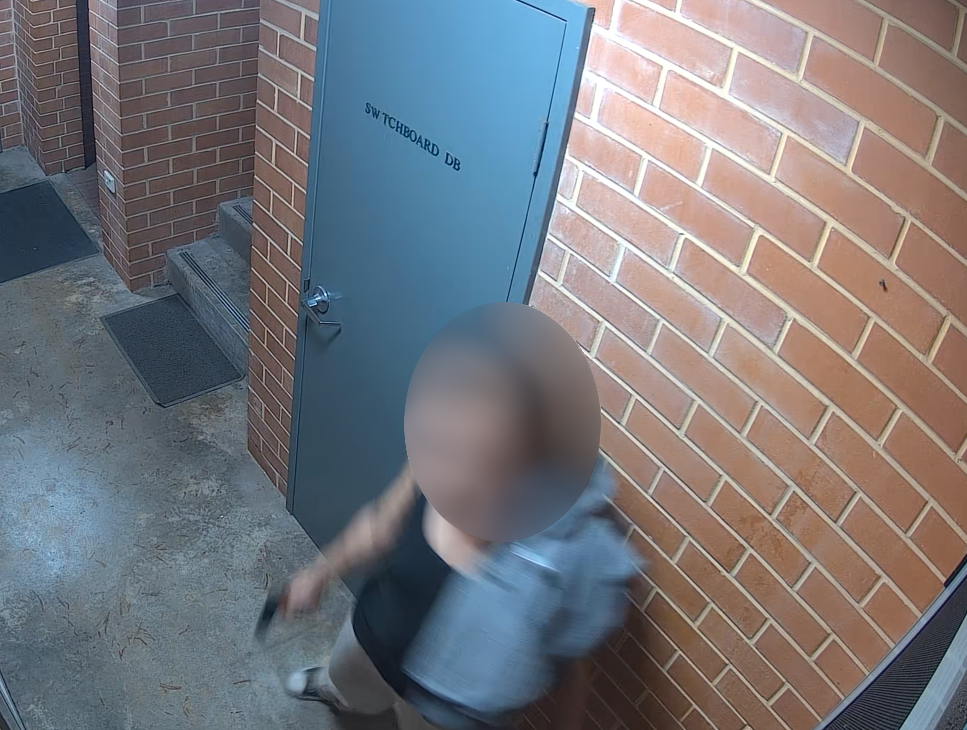
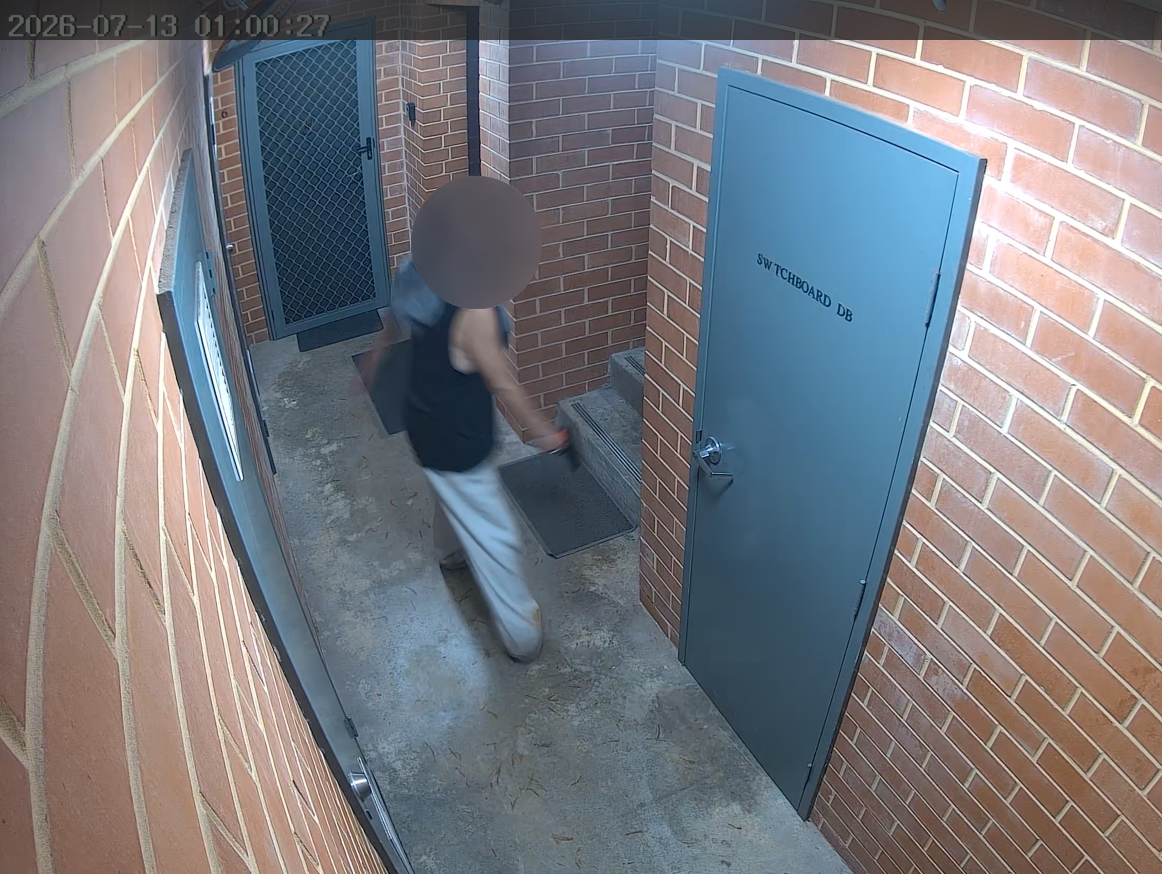
It reinforced why I had been asking for a physical security barrier.
Cameras can record who approaches my home, but they cannot prevent someone from reaching my front door. I do not want my safety to depend on receiving a camera notification and hoping I can respond in time.
I am asking for the remaining security work to be completed, particularly a lockable gate that prevents unauthorised access to the immediate area outside my home.
I want to be able to open my front door without fearing who might be standing there.
While a reporter was on site following up on the frightening gun incident, he witnessed one of the two neighbours against whom I have a restraining order approach me in the common area, despite knowing I was present. The reporter subsequently provided a formal witness statement to police about the incident and the alleged breach of the Violent Restraining Order.
Other residents are living in fear
The problems in the complex extend beyond my own circumstances.
Residents have been sending me video footage and recordings of antisocial behaviour. I have seen and heard accounts of people being frightened in their own homes, damaged entry doors and people entering and leaving the complex in circumstances that have raised concerns among residents.
Some residents have told me they barricade themselves inside their apartments. Others have said they sometimes leave their homes and stay with family because they do not feel safe.
I have also seen residents rushing to secure their doors as evening approaches. It is distressing to see elderly people living as though they need to barricade themselves away from the outside world.
Some apartments have only a basic wooden front door, without an additional security screen door. Residents have expressed concern about how easily those doors could be forced open.
There have been repeated problems with damaged glass entry doors and access points being left unsecured. Residents have reported doors not closing properly or remaining open for extended periods.
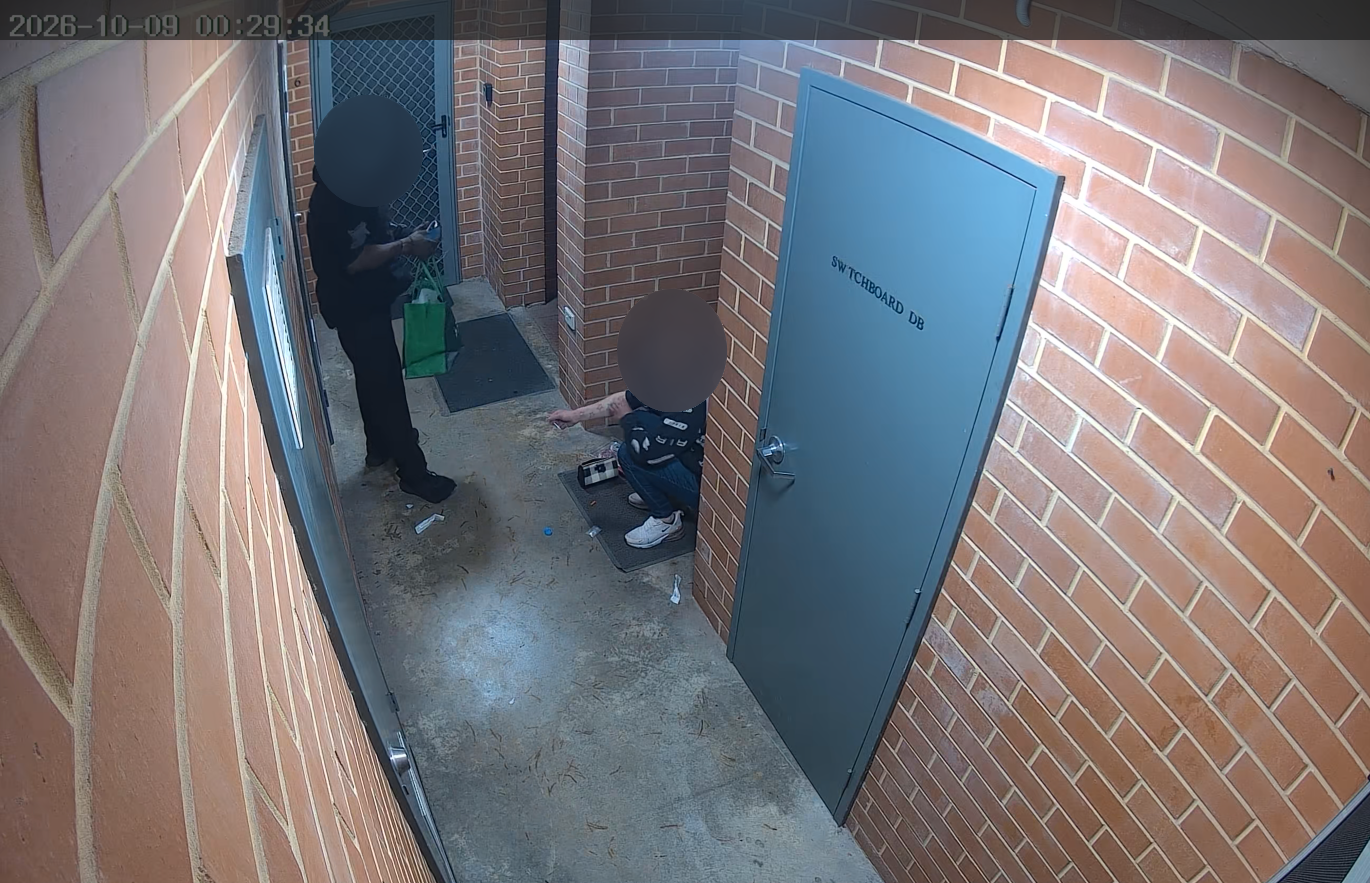
I have personally witnessed an overdose in a common area, where Police and an ambulance were called. Residents have also raised concerns about suspected drug dealing and the number of unfamiliar people entering and leaving the tower.
I have heard accounts from residents about frightening incidents, including alleged home invasions. Those accounts are theirs to verify, but they contribute to the wider concern about safety in the complex.
I have also been told about allegations involving sexually inappropriate behaviour and concerns involving minors. These are serious matters and must be properly investigated by the relevant authorities. I am not presenting untested allegations as established facts.
The complex is intended to provide housing for older over 55 people and other residents who may be vulnerable. They should not have to live with ongoing fear, damaged security doors or uncertainty about who can enter their homes.
I have been told that security patrols occur. In my own experience, I recall seeing security personnel only twice over approximately two years, while Police attendance has appeared to me to be frequent.
Residents need more than reassurance. They need secure entry points, functioning doors, appropriate access controls, meaningful monitoring and a clear process for responding to serious and repeated concerns.
When court orders expire, trauma doesn't: housing must act now
There is something important that I want decision-makers to understand.
Everything has an expiry date. Court orders expire. Legal restrictions have time limits. But trauma does not simply disappear when an order reaches its expiry date.
Nor does the behaviour that caused the fear necessarily stop because a legal order has ended.
Police can investigate, lay charges where appropriate and present matters before the courts. Courts can hear the evidence and make findings. But when those processes have finished, the residents still have to return to their homes.
Police have told me that this is also a Housing issue.
That is why Housing must act now.
If a resident has repeatedly raised concerns about intimidation, violence, antisocial, disruptive behaviour, access and safety, the response cannot be limited to telling them to report the next incident. Housing has a responsibility to consider the safety of the living environment and take reasonable steps within its authority.
I do not want to reach the expiry of an order and be left wondering whether I am going to face the same behaviour again.
I do not want other residents to be left in that position either.
The toll this has taken
I have to be honest about what this has done to me. I am barely holding it together.
After everything I survived before moving to my current home, I thought I was finally entering a period of peace. Instead, the prolonged stress, fear, intimidation, court proceedings and uncertainty have pushed me into a very dark place.
I have begun experiencing suicidal thoughts. That is deeply concerning, particularly because I have fought so hard to rebuild my life after domestic violence.
I am not saying this for sympathy. I am saying it because decision-makers need to understand that these situations have real human consequences.
This is not simply an argument between neighbours. It has affected my health, my confidence, my independence and my ability to feel safe in my own home.
I have a disability. I already face significant challenges in managing daily life. The ongoing situation has made those challenges harder.
My home should be where I recover, where I can close the door and feel protected. Instead, I have found myself worrying about who might be outside, whether someone will approach my front door and whether I can safely leave my property.
I do not want to reach breaking point before my concerns are taken seriously.
I am seeking accountability
After two years of trying to resolve these matters, I found a negligence lawyer.
My lawyer has raised concerns with the relevant authorities, including the WA Minister for Police, the Corruption and Crime Commission and police complaints bodies. An Inspector subsequently contacted me and arranged for a senior officer to investigate concerns about the handling of matters I had reported.
Concerns have also been raised with the Minister for Housing, the Executive Director, the Area Manager, the Project Manager and relevant Housing staff.
The neighbour next door has been charged with using a carriage service to commit an offence of a racial nature, as well as two alleged breaches of a Violence Restraining Order. It took approximately a year for the carriage-service charge to be laid. I was concerned by the delay and the way my reports were initially handled.
The neighbour opposite was convicted of common assault. There are also outstanding proceedings relating to alleged breaches of restraining orders.
Further court matters are listed for this month and December. Those allegations remain matters for the courts to determine.
I want the facts to be examined properly. I want the processes followed, the decisions explained and the safety concerns addressed.
I am not asking for special treatment. I am asking for accountability and for the systems responsible for protecting residents to do their jobs.
Why should I have to leave my own home?
Before I had legal representation, Housing's Area Manager offered me relocation and top priority to move immediately.
I appreciated the offer, but I did not believe moving me was the answer.
Why should I have to leave my home after reporting racism, intimidation and violence? Why should the person who has raised safety concerns be the one expected to move?
I have already spent years moving, hiding and trying to escape violence. Moving is not a simple solution for someone living with disability and the effects of trauma.
There is no guarantee that a different property or a different neighbourhood would be safe. Relocation does not automatically resolve the behaviour or the wider security problems.
I want to remain in my home. I want Housing to address the problems where they exist and consider appropriate action in relation to those responsible for the behaviour.
I am not the aggressor. I am a resident asking to live safely.
The impact on my sons and grandchildren
My sons witnessed domestic violence when they were children. I have carried guilt for years about what they saw and the impact it had on them.
When they learned about the racism and violence I was experiencing in my current home, they wanted to confront the men responsible.
I told them not to.
I did not want my sons risking their freedom, becoming involved in a confrontation or putting my housing at risk. We are better than that. As Indigenous people, we know retaliation is not the answer. I believe those responsible would want a reaction that could then be used against us.
Violence is never the solution. Standing up against racism and doing everything we can to stamp it out is the best way to address these issues. Even when you don't get the outcome you're hoping for, it doesn't mean you should stop standing up for what is right. Change takes courage, persistence and a willingness to speak out. We need to challenge racism through the law, education and accountability, not through violence.
I raised my sons to respect someone older, but respect must go both ways. It has hurt them to see their mother treated this way.
One of my grandchildren said to me:
"Nana, don't let them older men hurt you."
Those words broke my heart.
A grandchild should never have to worry about whether their grandmother is going to be hurt in her own home. I want my grandchildren to visit without fear, to feel welcome and to grow up understanding that racism, intimidation and violence are never acceptable.
I do not want another generation of my family growing up surrounded by racism, anxiety, violence and trauma. I have spent years trying to break that cycle. I want my grandchildren to grow up with pride in who they are as Aboriginal children, without being made to feel inferior, unwelcome or ashamed of their identity.
They deserve to grow up knowing that their culture, their identity and their dignity are respected. They should never have to witness their grandmother being racially abused or learn to accept racism as part of everyday life.
I have fought hard to break the cycle of trauma. I refuse to see racism become another part of the legacy passed on to the next generation.
This is bigger than one housing complex
Public housing is home to some of Australia's most vulnerable people.
It provides a foundation for older Australians, First Nations families, people living with disabilities, survivors of domestic violence, single parents and people who have nowhere else to turn.
For many of us, it is not simply accommodation. It is the opportunity to rebuild a life.
That is why I believe serious questions must be asked about how complaints involving racism, intimidation, violence and antisocial behaviour are handled, how vulnerable residents are protected, and whether the voices of people living in public housing are genuinely being heard.
Residents should be able to report racism, intimidation, violence and disruptive behaviour without fearing they will be ignored, blamed, dismissed or pressured to leave their homes. No one should have to choose between speaking up about their safety and keeping a roof over their head.
Speaking up should lead to action, not further distress, displacement or silence.
Security is not simply a fence, a camera or a gate.
It is about being able to open your front door without fear. It is about knowing your family can visit, your support workers can enter and you can collect your mail without being subjected to humiliation or intimidation.
It is about being listened to before a situation escalates into violence.
I also believe there needs to be greater accountability when residents repeatedly report problems but continue to feel unsafe.
No one should have to become an expert in police complaints, restraining orders, court proceedings and security arrangements just to enjoy the basic right to live peacefully.
People should not have to choose between having a roof over their head and feeling safe.
We know housing cannot control every aspect of human behaviour. But it can listen, investigate concerns, maintain secure buildings, respond to risks and take appropriate action when problems are brought to its attention.
I want decision-makers to look beyond individual complaints and understand the experiences of residents living with these conditions every day.
I want the remaining security work at my home completed. I want the access points in the complex properly secured. I want residents' concerns taken seriously and vulnerable people protected.
I also want the relevant authorities to examine the concerns I have raised about how these matters have been handled.
A call for our leaders to listen
I want our Housing Minister John Carey and Premier Roger Cook and those responsible for public housing to come and speak directly with the residents and see the conditions for themselves. Do not rely solely on reports and correspondence. Listen to the people who live here.
Do not rely only on reports or assurances. Speak with residents. Listen to the women who are frightened to collect their mail, the elderly people who feel they must barricade their doors and the people who have changed their routines because they do not feel safe.
Look at the entry points. Look at the damaged doors. Understand why residents are asking for stronger security.
I am asking for practical action, not another promise.
I am asking for the right to feel safe
I survived domestic violence. I made the difficult decision to leave, rebuild my life and seek a peaceful home.
I should not have to spend the rest of my life fighting for safety behind my own front door.
I am a Noongar woman. I am a woman living with a disability. I am a mother, a matriarch and grandmother. I am a public housing resident who deserves the same dignity, protection and respect as anyone else.
I am not asking for special treatment because I am Aboriginal. I am asking not to be treated differently because I am Aboriginal.
I want to live in my home without racial abuse, intimidation or fear. I want to be able to welcome my support workers, my family and my grandchildren without worrying about what might happen.
I want other residents to have that same peace.
A home should be a place of safety, not a place where people feel they have to barricade themselves in, leave to stay with family or go elsewhere, no one wants live in constant fear.
I have spoken up because I do not want this to continue for me or for anyone else.
Our voices matter. Our safety matters. And we deserve to be heard.
Editor's note:
National Indigenous Times contacted the Department of Housing and Works for a response.
A spokesperson said the Department has installed additional security features at the complex, including reinforcing a mesh access gate at the complex and upgrades to the boundary fence.
"Additional security features have also been added to Ms Hansen's unit," they said.
"DHW investigates all reports of disruptive behaviour in accordance with its Disruptive Behaviour Management Policy and takes appropriate action where evidence supports a breach of tenancy obligations.
"Matters involving alleged criminal activity should be reported to WA Police Force on 131 444, as the appropriate investigative authority.
"DHW works closely with the WA Police Force to assess reported incidents, gather evidence and determine appropriate action under the Residential Tenancies Act 1987."
With regards to the two allegedly offending residents, the spokesperson said the decision to terminate a tenancy ultimately sits with a Magistrate, "who will only grant an eviction order if they are satisfied that there has been a breach of the tenancy agreement and the tenant has been given every opportunity to rectify their behaviour".
The spokesperson said the Department "will continue to assess complaints, monitor tenancies, maintain enhanced security measures and work with the WA Police Force to address ongoing concerns and support the safety and wellbeing of residents".



