


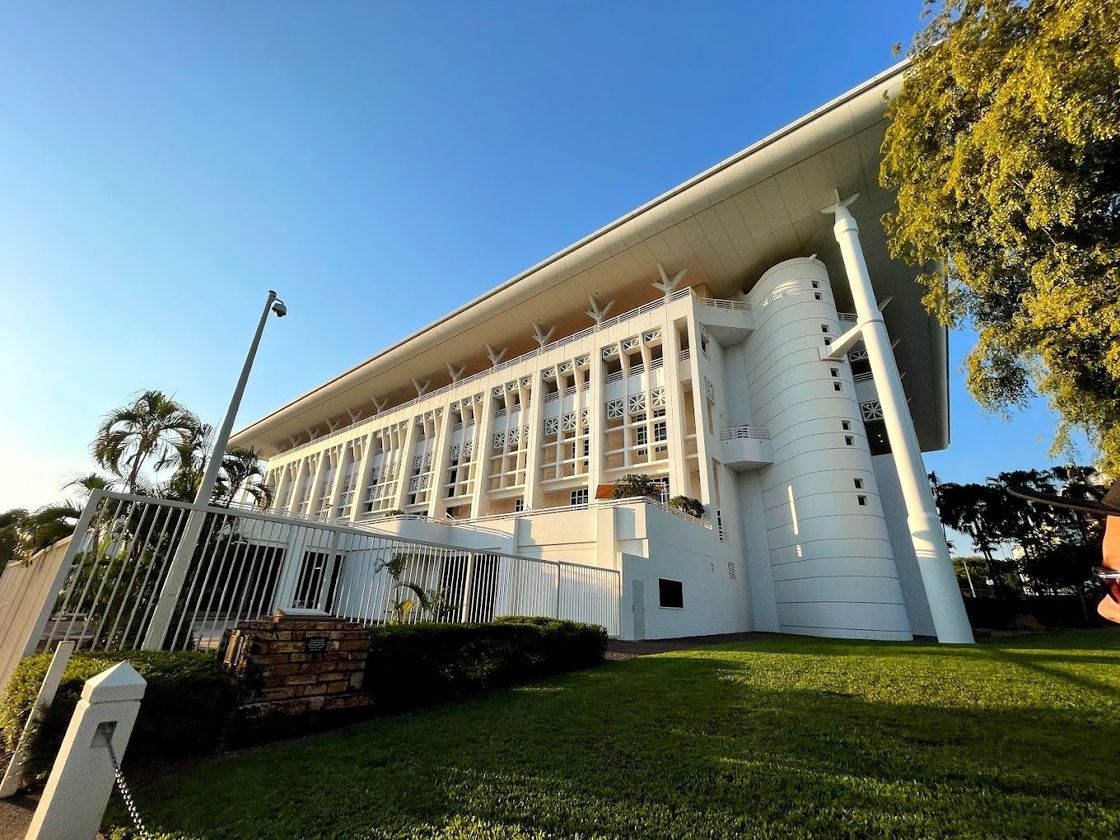
Since coming to power in August 2024, the Northern Territory Government has pursued a sustained shift away from prevention, cultural protections and First Nations interests that is deeply disturbing.
The serious injustice facing First Nations people in the Northern Territory was not created by this government. It was built over decades by successive governments through punitive laws, expanded policing and corrections, and chronic underinvestment in housing, education, health and community-controlled prevention. Having worked in the Territory for more than three decades, including in mental health, prisons, justice and child protection systems, I have witnessed the profound human consequences. That history laid the foundation for the present agenda. What is new is the speed, scale, disregard for First Nations voices and willingness to dismantle fundamental protections.
The most direct threats are to children. The government has lowered the age of criminal responsibility from 12 to 10, tightened bail provisions and reinstated spit hoods in youth detention, in a jurisdiction where nearly all detained children are First Nations. Plans announced in 2026 include a privately financed and operated 1,200-bed men's remand prison and a 200-bed women's facility. Aboriginal and Torres Strait Islander prisoner numbers rose 24 per cent to 2,505 in the year to June 2025. Building prisons on this scale is not simply responding to imprisonment; it is planning for it.
The Care and Protection of Children Legislation Amendment (Every Child Matters) Act 2026, passed in August, extended this direction into child protection. Despite widespread opposition, it weakened the enforceability of the Aboriginal Child Placement Principle, made cultural protections conditional and promoted permanent placements. Critics warned of permanent separation from family, community, language and Country. Stolen Generations survivor and Australian Human Rights medallist William Tilmouth lodged an urgent United Nations complaint, arguing the Act breaches Australia's human rights obligations and warning of the "legislative resurrection of the Stolen Generations".
These decisions are being made with disdain for fundamental human rights. Children's commissioners, Land Councils, legal bodies, Aboriginal community-controlled organisations and the United Nations have all warned against them. Senior figures resigned, including Children's Commissioner Shahleena Musk, Aboriginal Areas Protection Authority member Rachel Perkins and independent Yolŋu parliamentarian Yiŋiya Mark Guyula, who accused the government of passing laws that were "dehumanising, oppressing and destroying" Aboriginal people. This month, the government refused UN Special Rapporteur Dr Albert Barume access to Holtze Youth Detention Centre. Repeated refusal to listen is no longer failed consultation. It is a method of governing.
In July 2026, Yilli Rreung Housing Aboriginal Corporation was directed to vacate YiSSA, its Darwin short-stay accommodation facility, after purchase negotiations failed. It served remote community residents needing temporary accommodation for health care, education and services. About 390 residents were affected, including about 160 children. The Northern Territory Government rejected Australian Government proposals to buy the building and keep it operating. Residents were relocated to Batchelor, about 100 kilometres south of Darwin, with concerns raised about conditions and cost. Moving families away from health care, schools and support networks risks exclusion, homelessness and further harm.
Rights to Country and culture have also been weakened. Amendments to sacred-sites legislation have weakened protections for sacred sites and the voice of First Peoples. The government abandoned its promised $12 million commitment to Aboriginal ranger programs, undermining livelihoods, cultural transmission and care for Country. Earlier this month, the Central Land Council warned that proposed environmental and water legislation would weaken Frist Nations voice and increase ministerial control over water decisions.
The cumulative effect is more serious than any individual policy. Housing insecurity increases exposure to child removal, imprisonment separates families and weakened protections place sacred sites at risk. These decisions transfer authority away from First Nations interests towards political and commercial interests, with generational impacts.
For children and families, the risks are real and disturbing. Governments are expanding punitive systems that create enduring harm, while failing to invest in prevention: secure housing, education, health care and First Nations-led solutions. Education systems are failing too many First Nations children, as persistent gaps in Closing the Gap outcomes show, yet instead of partnering with communities to transform education and strengthen families, governments expand systems of surveillance, removal and incarceration.
The Commonwealth cannot escape responsibility. Despite repeated commitments to Closing the Gap, many targets are stagnating or worsening. Human rights obligations and commitments to self-determination cannot be symbolic.
The Australian Government must act decisively. The Northern Territory Government must be held accountable to the National Agreement on Closing the Gap, the United Nations Declaration on the Rights of Indigenous Peoples and the Convention on the Rights of the Child. Australia must also act under the International Convention on the Elimination of All Forms of Racial Discrimination against laws that disproportionately harm First Nations people, and the UN Committee on the Rights of the Child has said the minimum age of criminal responsibility should be at least 14. The Northern Territory has no human rights act, so these rights have no direct legal force in its courts. That makes the Commonwealth's responsibility all the more important.
The lack of cultural respect, the attack on cultural rights, the dismantling of protections and the expansion of coercive state powers are hallmarks of authoritarian governance elsewhere in the world. They are now the reality in the Northern Territory. This is not a future risk; the harm is occurring now. Children are growing up in its shadow, families are carrying its burden and communities are living with its consequences. Every preventable death, every child removed, every child imprisoned and every cultural protection weakened comes at a human cost that cannot be measured in budgets.
This should concern not only First Nations communities, but every Australian who values children's rights, democratic accountability, First Nations rights, justice and self-determination. The Northern Territory is witnessing a coordinated retreat from accountability and self-determination towards government, institutional and commercial power. First Nations leaders have repeatedly offered solutions, yet their voices continue to be disregarded. Justice requires more than recognising the harm. It requires restoring First Nations authority over decisions affecting their children, families, communities and Country. The responsibility is shared, and so is the opportunity to change course. Governments that built this foundation have the power to dismantle it.
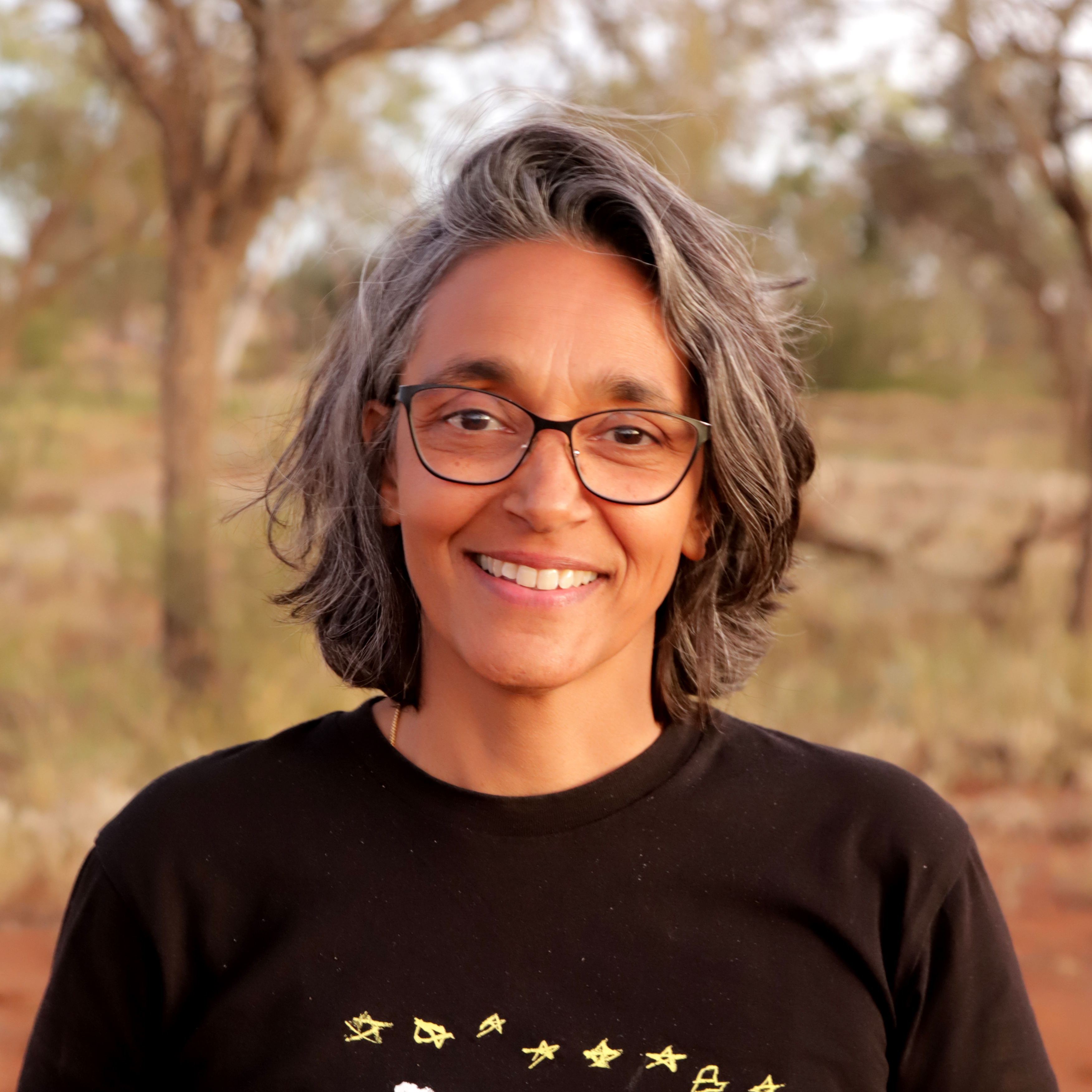
Jane Vadiveloo is the CEO and co-founder of Children's Ground, with over 30 years of experience working alongside First Nations communities in the Northern Territory in social justice, human rights and systems reform. Her work champions community-led approaches that centre First Nations knowledge, leadership and culture.



