


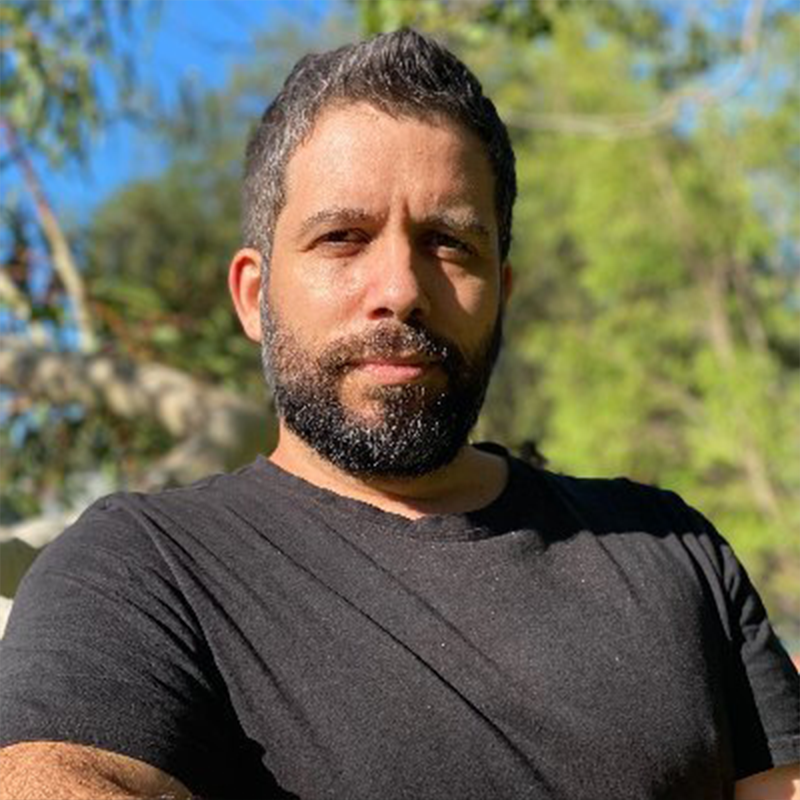

Award-winning children's artist, Miss Nicky Says, is helping tamariki (children) across Aotearoa New Zealand and beyond to learn more about their whakapapa and tūrangawaewae, with the full release of her latest kaupapa / program, 'Pepeha' during Te Wiki o te Reo Māori.
Pepeha is a way of introducing yourself in Māori. It tells people who you are by sharing your connections with the people and places that are important to you. Whakapapa is a foundational concept in Māori culture, representing genealogy and the interconnectedness of all living things, the earth, and the cosmos. Tūrangawaewae is one's place in the world, "a place to stand" and spiritual home.
Created to help tamariki / children build confidence in learning and sharing their pepeha, the 'Pepeha' explores te reo Māori through waiata (song) and visual storytelling, giving young people the tools to engage in and begin discovering their connection to whānau (family group) and whenua (Country).
The creative force behind Miss Nicky Says, Nicolla Hemi-Morehouse (Ngāti Koata, Ngāti Toa), says the kaupapa is deeply personal and came from her own journey back to te reo and te ao Māori.
"I really recognised the value of te reo Māori and knowing who you are after the passing of my father 10 years ago. I started to think to myself, who is going to pass this all on to my tamariki?" she said.
"Waiata became my waka (vehicle / platform). It was a way for me to reconnect, and now I want to share that with all our mokopuna (grandchildren / future generations)."
The project, supported by Mātanga Reo, Justin Kereama (Ngāi Tūhoe), brings together six original waiata, each exploring different elements of pepeha, from maunga, awa, roto and moana, to waka and whānau. Each waiata is accompanied by a music video, alongside a minute episode where Miss Nicky and her puppets share kōrero about each waiata.
Kereama says kaupapa such as Pepeha are vital for the revitalisation of te reo Māori (Māori language).
"Rangatahi (the youth / next generation) have always been key to ensuring our reo flourishes. Miss Nicky Says is continuing this important mahi, helping our tamariki become familiar not only with their reo but also with their whakapapa," Mr Kereama said.
"Working on 'Pepeha' has helped me realise that you don't have to have all the answers, you just have to be willing to ask the pātai, find out where you come from and start the haerenga," Ms Hemi-Morehouse said.
As a mother of four, Ms Hemi-Morehouse has seen firsthand the difference a strong connection to whakapapa has had on her own children. She has also witnessed many tamariki Māori and whānau in Aotearoa and Australia struggle with that same sense of connection.
"If you don't know who you are, you'll become who people tell you to be," she said.
Ms Hemi-Morehouse hopes the project will help people move past their fear of learning, find connectedness and feel confident to have a go.
"I want people to feel like they can try their pepeha on their own, have the skills to reconnect to their whakapapa and build the confidence to move forward," she said.
She also encourages schools, kura, early childhood centres, and educators to use the waiata and videos as a resource, providing an accessible and enjoyable way for tamariki to learn about pepeha and te reo Māori.
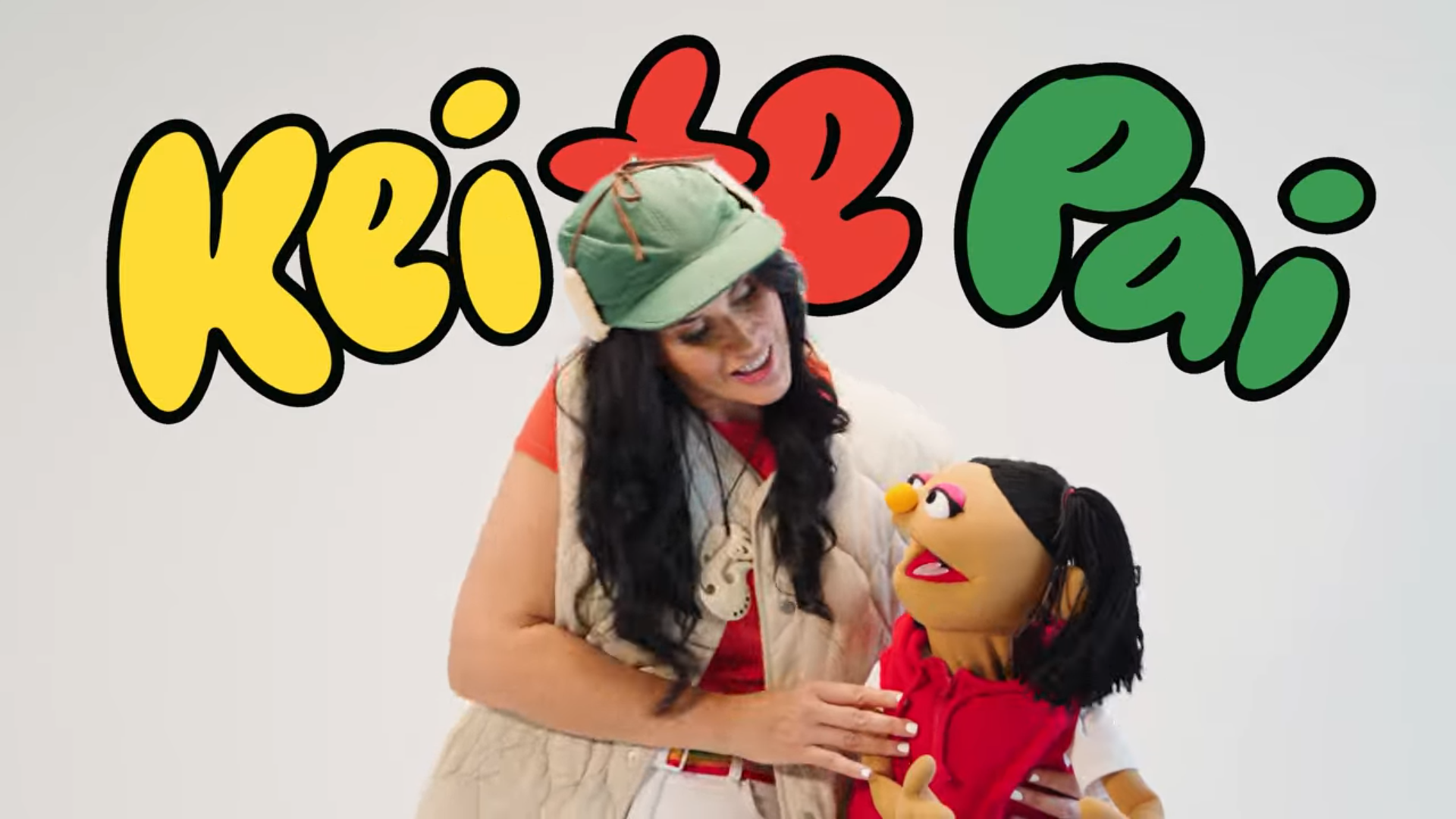
'Pepeha' is made with the support of NZ On Air and is available now on YouTube and all streaming platforms.



