



EREA Flexible Schools offers an encouraging, communal and culture-embedded women's healing camp for its young people; with a big impact.
In August, a group of eight students from some of its alternative learning and special education schools in Brisbane headed out to Kooramindanjie (Carnarvon Gorge) in the rugged and picturesque National Park around eight hours from the state capital.
The trips had already been running for any young people keen for over two decades, but the idea to make it something new and dedicated of mind last year.
"And in my head, I went 'You know what? That should be young women's healing, because that's what that place is about'. So I came back, talked to a couple of schools, and went from there," Kristine Andrew recounted on the drive back last time.
Ms Andrew is a Whadjuk-Balardong Noongar educator and EREA Flexible Schools First Nation support officer across Queensland and the NT.
Local Traditional Owner Aunty Karen Lawton, or Aunty Kaz, has long been involved with the camps.
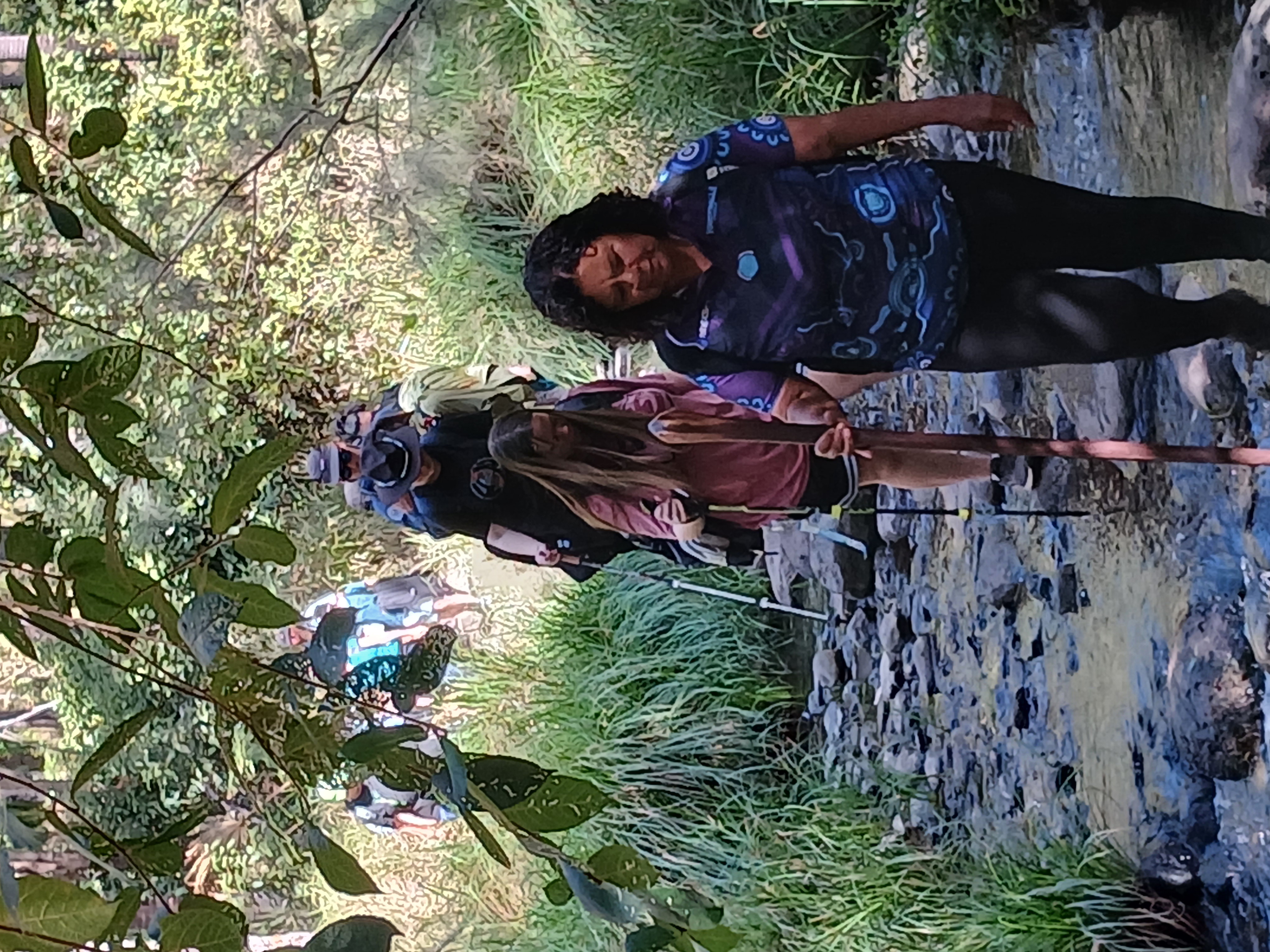
Embedded with culture, but reconciliation as well, the women's healing trip was open to both First Nations and non-Indigenous students.
Flexible schools support and encourage students who could benefit better from an option outside of mainstream education. This is for young people living with trauma, who've had a tough time at other schools, are neurodiverse and more.
The schools balance the curriculum and well-being support catered to the young person's individual needs.
Ms Andrew explained the women's healing camp focused on connection between staff and peers, the students encouraging one another, confidence and self-identity.
Over three days there was smoking and water cleansing at a local creek, campfire discussion and check-ins, recognition of strength and courage, bush medicine and healing, swimming, cooking, and short and long hikes.
The longest was 17 kilometres into the gorge to see the rock art 'gallery', over 60 metres of sandstone rock wall with thousands of ancient rock engravings, ochre stencils, and freehand paintings done by Bidjara and Karingbal peoples.
Aunty Kaz was there sharing knowledge with the students and staff.
Throughout the camp, many of the young women faced the challenge of getting out of their comfort zone.
A men's business camp is also in the works, with the idea to make these opportunities for the students an annual affair with larger groups.
The young women were aged between 14-17.
The cultural learning is a six month experience in all, beginning at the early planning stage and a documenting process by the students on why they want to take part, and creating a booklet on their personal experience over the journey.
Ms Andrew said it was amazing to see the growth in the students.
With the hikes, for example, "I don't think many think they can....they did it, and how they felt about themselves afterwards was really good," she said, with encouragement along the way.
The mix of staff, students, and First Nations and non-Indigenous participants is presented as an important part of it.
It's all about reconciliation, Ms Andrew said.
"Especially with young women or young men in that age. I feel they're the people that can close the gap."
Almost 40 per cent of EREA's students are First Nations.
The women's camp recently won Edmund Rice Foundation's the Greg Hildebrand Award recognition of creativity and compassion.
Fundraising efforts for future camps are ongoing.



