

The Victorian election has delivered a dramatic shift in the state's political landscape, with the Coalition set to return to government and Indigenous representation in Parliament likely to double.
The result marks the end of Labor's 12 years in power, with Premier Ben Carroll losing his seat and the Greens potentially poised to form opposition.
At the time of writing, the Coalition had secured 61 seats, according to The Age — far more than the 45 needed to secure a majority. Labor was in single digits, with almost 40 MPs losing their seats.
It is "highly unlikely" Labor will be able to form opposition, Redbridge pollster and former Labor strategist Kos Samaras told the ABC.
In the upper house, the One Nation surge was evident, with the ABC predicting eight MPs would be elected — meaning the far-right, populist party would hold the balance of power.
Indigenous MPs
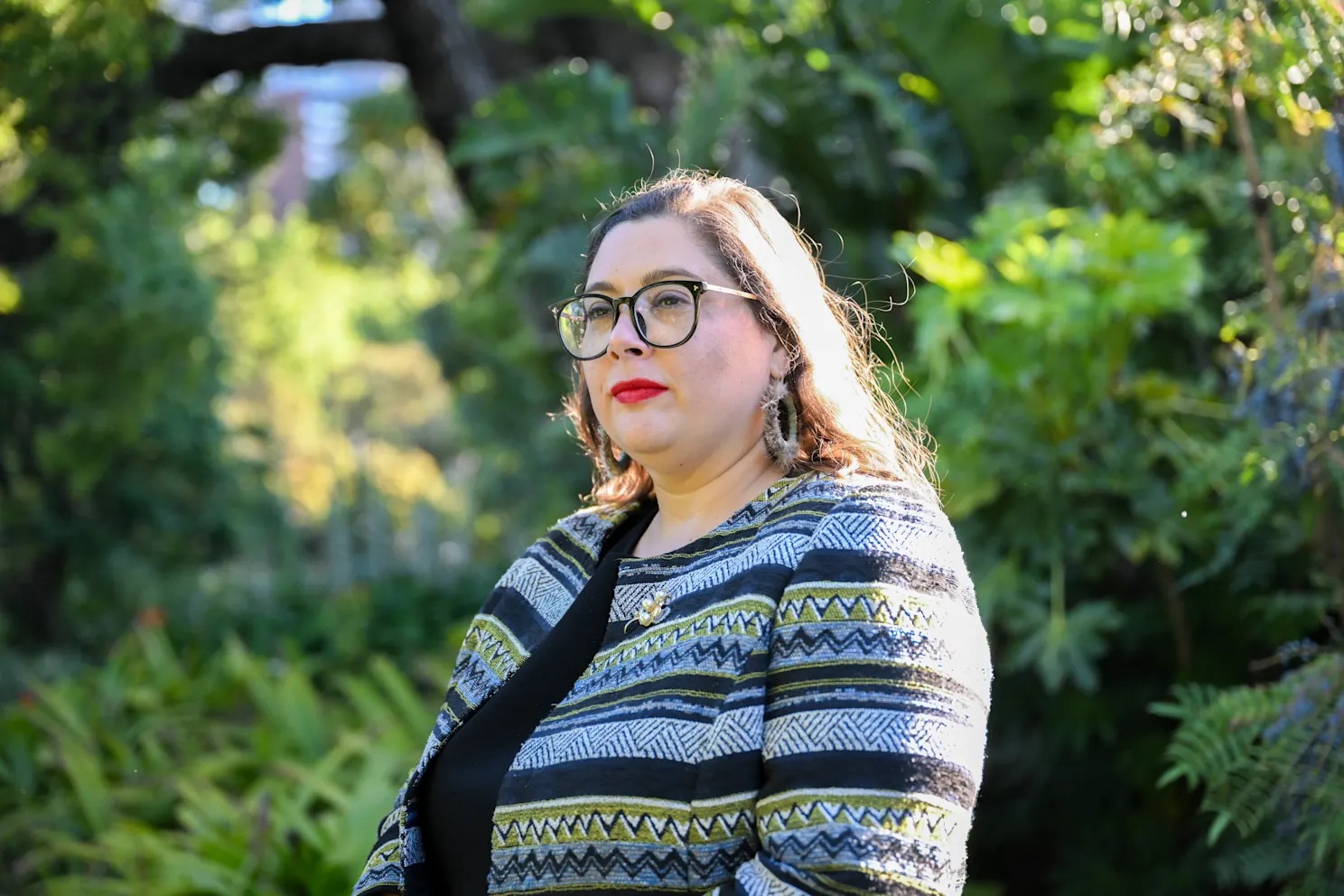
It is likely two Indigenous Victorians will be elected to serve in Parliament.
Sheena Watt, the first Indigenous Australian woman to represent Labor in the Victorian Parliament, has been re-elected to the upper house in the Northern Metropolitan region.
The Yorta Yorta woman was the only Indigenous MP in the last parliament.
However, Indigenous representation is likely to double, with the Greens' Brittney Henderson likely to secure the fourth upper house seat for the Western Metropolitan region.
The Bunurong person has previously worked with not-for-profits and Aboriginal Community Controlled Organisations and told National Indigenous Times last year that young First Nations Victorians, especially members of the queer community and those with a disability, are deserving of having someone in Parliament represent them.
View this post on Instagram
Treaty
Indigenous issues did not become a focal point of the election campaign itself; however, the Coalition's promise to overturn the landmark Treaty agreement looms large.
Unlike the Suburban Rail Loop, which the Liberals said they would pause and subject to a cost analysis, they have vowed to scrap Treaty within 100 days — a move described as "unnecessarily cruel" in an editorial by The Age — arguing it does not represent value for money and will not help to close the gap.
The party has also yet to detail what it would put in place for Aboriginal affairs, and some who spoke to this masthead said there is hope that solutions around the body can be found.
This, in one way, will be easier with the Coalition forming a government of its own accord; however, with One Nation holding the balance of power in the upper house, any progressive legislation on Aboriginal affairs will be virtually impossible if the right-wing party maintains its pre-election commitments.
Australia remains the only country in the Commonwealth that has not entered into a formal treaty between the federal government and First Peoples.
In a statement on Sunday morning, Gellung Warl — the governance structure encompassing the First Peoples' Assembly, a permanent truth-telling body and an accountability commission to help oversee the delivery of Closing the Gap outcomes for First Peoples — called on the Coalition to sit down with them and "discuss shared goals".
Both Assembly Co-Chairs, Djaran Murray-Jackson and Meriki Onus, said they believed new Premier Jess Wilson shared their goal of giving Aboriginal people the best chance to shape their own futures.
"The Coalition have outlined a clear commitment to boosting First Peoples' economic participation, funding education programs and improving health outcomes," Ms Onus said. "We agree on the destination, and Treaty is the vehicle to get there."
View this post on Instagram
Mr Jackson said Treaty was about moving away from government dependency and giving communities the best chance to make self-determined decisions.
"We believe any sensible government will build on this principle and benefit from working collaboratively with Community," he said.
The peak body for Victorian Traditional Owners called on the Coalition to ensure the "regional economic and political leadership" of Traditional Owner Corporations remained in focus during the next parliament.
The new government can't succumb to outrage-baiting politicking, Federation of Victorian Traditional Owner Corporations CEO Kaley Nicholson said, and must recognise them as capable actors driving regional economic growth and employment.
"They hold the cultural authority to speak for community, which gives government and industry certainty in progressing development work," she said.
"And they keep the Country all Victorians depend on healthy and in balance. They're ready and capable to work with the next government to address the issues regional voters have taken to the ballot box today."
On Treaty, she added: "We're calling on the new Victorian Government to return to the classic Liberal value of minimal government intervention — Aboriginal communities are already looking after ourselves, and we just need the resourcing and space to strengthen this work."