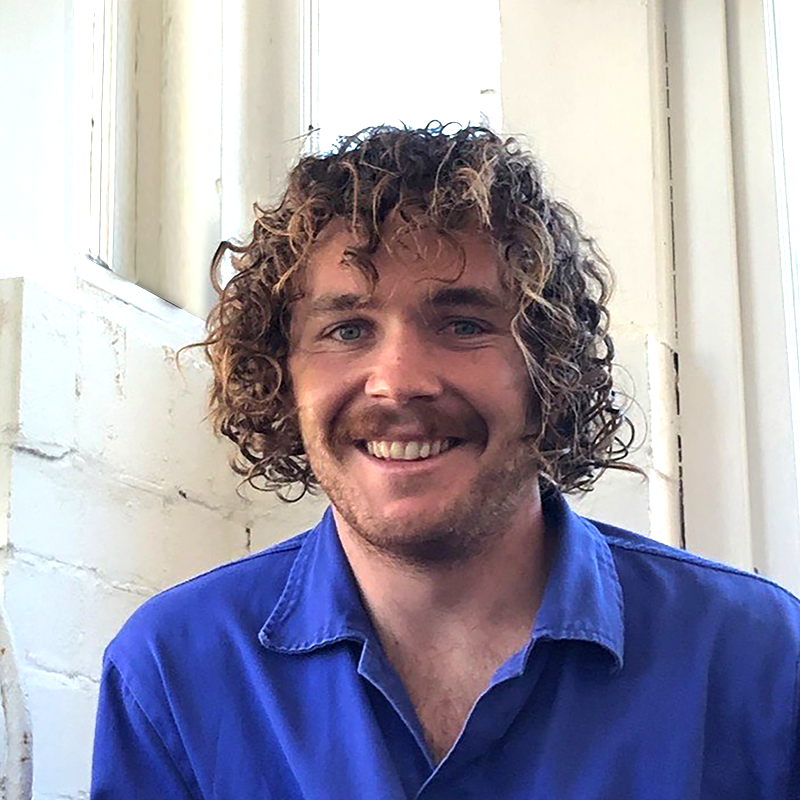

Feral pigs on Gunditjmara land were threatening thousands of years old sacred sites and more, but Traditional Owners have played a vital role in protecting of Country, and with it, its stories, culture and identity.
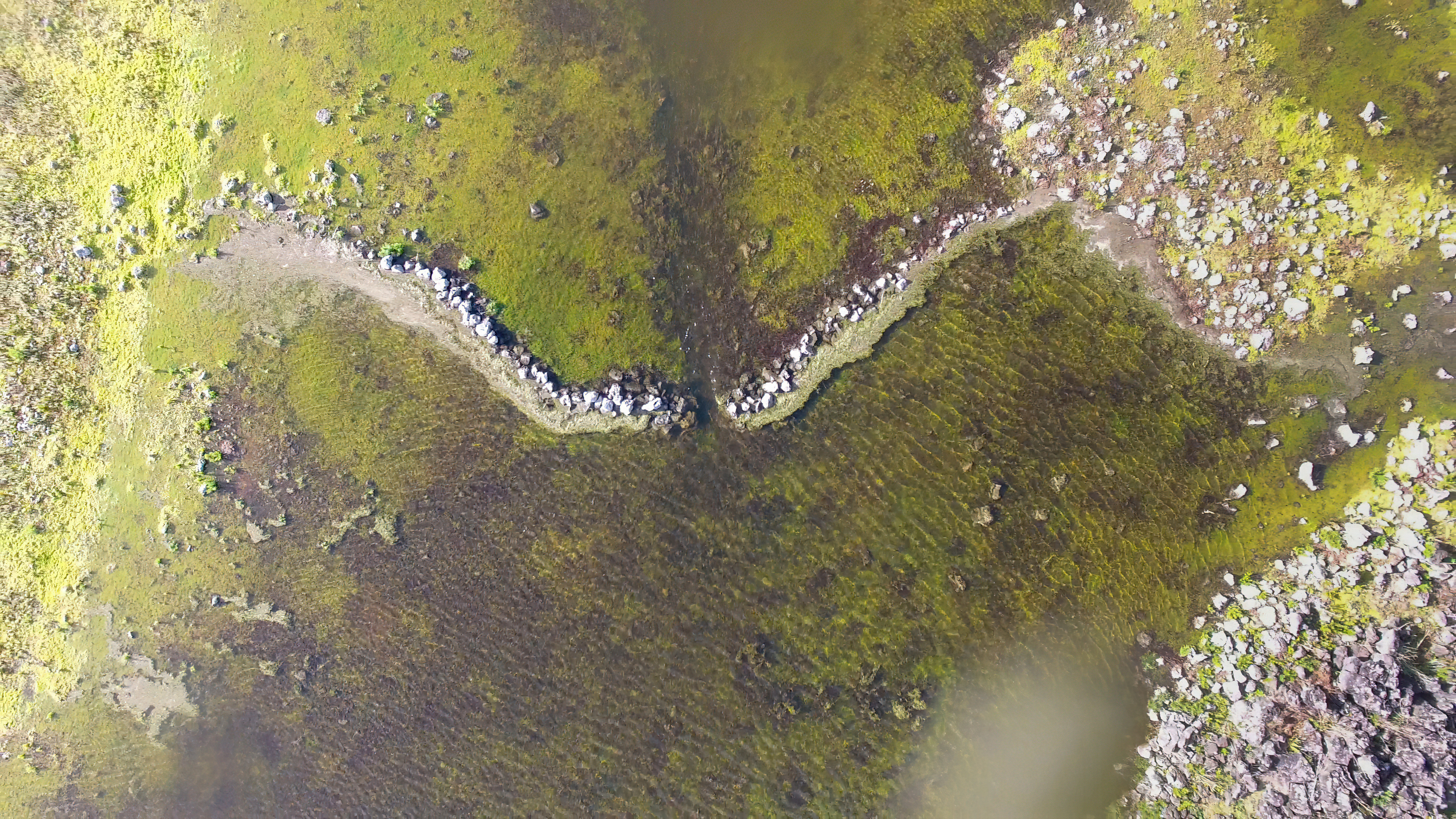
Budj Bim (Mount Eccles) is a dormant volcano in what is now Victoria's far south-west, is home to one of the world's oldest sites of aquaculture systems, dating back over 6,600 years.
Unique in this recognition for Aboriginal cultural value, Budj Bim Cultural Landscape is UNSECO World Heritage Listed.
Gunditj Mirring Traditional Owners Aboriginal Corporation (GMTOAC) has played a big role in up to 90 per cent reduction in feral pig activity at the sacred site.
In the process they've protected biosecurity there and in neighbouring Budj Bim wetlands, waterways native vegetation and other areas of Country.
"Country is more than more than just the land to us. It's our home. It's our culture. It holds our stories and it's our connection to our ancestors," GMTOAC Invasive species project officer Brad Williams told National Indigenous Times.
"So, protecting Country means protecting our identity, and also making sure the future generations can continue to connect with our Country and care for it as well, just like we have."
GMTOAC brought generations upon generations-old knowledge to strategy for reducing feral pig activity, and associated destruction by the invasive species, at Budj Bim Cultural Landscape. This was blended with modern technique, such as drone surveillance, in containing and reducing the impact with researchers, government agencies, and local stakeholders.
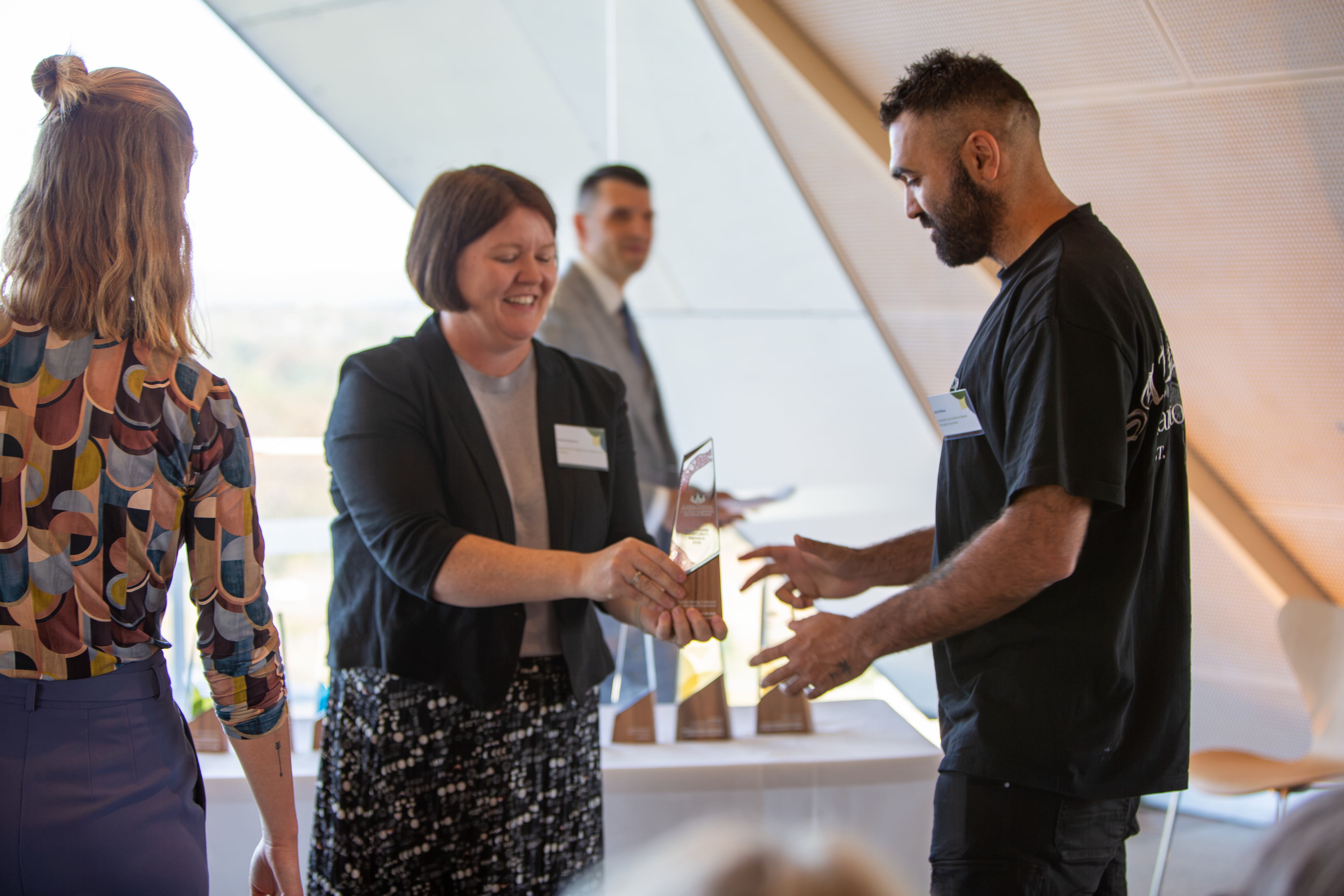
The Aboriginal Corporation was recently awarded this year's First Nations Award for Excellence in Biosecurity at the Department of Agriculture, Fisheries and Forestry's Australian Biosecurity Awards.
More than this, the work and stewardship of culture by GMTOAC is preserving its culture, like 6,000 year old fish fish traps, stone huts and stone-making sites, Mr Williams explained.
National Feral Pig Management Coordinator Dr Heather Channon said the invasive species "can cause significant damage to cultural sites and landscapes that are important to Aboriginal and Torres Strait Islander communities".
"Protecting these places requires long-term, coordinated action across land tenures and management boundaries," she said.
The height of the issue became present in 2018, as the pigs moved towards significant sites.
In hotter periods, pig activity slows. They're more active when the wet comes in.
"It's all about reading Country," Mr Williams said, reading this movement and knowing the land contributes.
He explained knowing the seasons is an important aspect, bringing generations of knowledge, like that passed down to him.
"The work we do through Gunditj Mirring is about healing Country, restoring its health and giving back to the land that has always given so much to us," and telling National Indigenous Times: "the reason why we're focusing on the pigs is because of the destruction they can actually cause. It's pretty horrific".
"Pretty proud of our work, and everyone else is too as well," he said.
Netting and culling plays a part in the broader biosecurity work.
Gunditjmara Traditional Owners first made calls for Budj Bim Cultural Landscape to be world heritage listed almost four decades ago.
Budj Bim National Park stretches over 54 square kilometres a little more of the coastline between Port Fairy and Portland.