


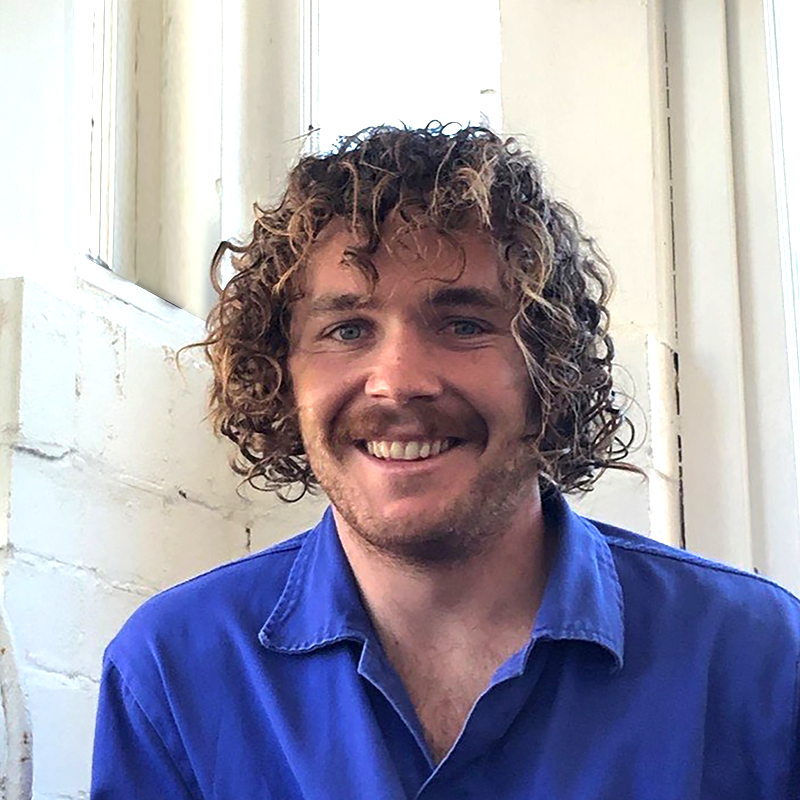

Hannah Mason knows first-hand how crucial culturally safe care and representation in the health workforce is for Aboriginal and Torres Strait Islander people accessing cancer care.
Ms Mason is starting her Masters in Clinical Exercise Physiology at Charles Sturt University this year.
The Kamilaroi woman is one of three recipients of the 2026 First Nations Cancer Scholarship supporting graduate students, health professionals, and early-career researchers in their full time studies, with the aim to grow the number of Indigenous health professionals in the cancer space.
"Culturally safe and responsible care is one of the most critical factors influencing how our mob engage with the health system," Ms Mason said.
"I have seen firsthand how trust, representation, and genuine understanding determine whether Aboriginal and Torres Strait Islander people feel comfortable accessing services and continuing their care."
Ms Mason feels support which is truly effective relies on cultural understanding, which in turn is difficult to achieve without representation.
She said the scholarship "feels like recognition of the work I have been doing in community and a strong vote of confidence in where I am headed" in her efforts to create a difference as a clinical exercise physiologist, both in prevention and survivorship, hoping to deliver culturally safe, movement-based care - with her sights on working in Aboriginal Community Controlled Health Services.
"Despite strong evidence that exercise improves treatment tolerance, reduces side effects, and enhances long-term recovery, structured exercise programs are still not consistently embedded in standard cancer care," Ms Mason told National Indigenous Times.
"I want to help change that by advocating for policy reform and greater integration of exercise into cancer treatment pathways, ensuring it becomes a routine and accessible part of care.
"I strongly believe exercise can take many forms, and that the best exercise is the one you genuinely enjoy and will continue doing, and I hope to embed this strengths-based and empowering approach into cancer care to improve outcomes for our communities."
Ms Mason is joined by Kuku Yalanji man Liam White, who's starting studies in Doctor of Clinical Dentistry at the University of Queensland, and Djugun woman Halijah Brewster, en route to complete her PhD in how psycho-social factors impact cancer care and cancer outcomes among First Nations women with breast cancer.
Scholars receive up to $120,000 per year over three years on their academic journey.
Eligibility requires students to be taking on full time postgraduate study or research in cancer-related fields set to impact outcomes for First Nations people.
The scholarship is funded through Cancer Australia and led by the Aurora Education Foundation.
Cancer is currently the leading cause of death among Indigenous people, accounting for nearly a quarter of all deaths, per the 2025 Australian Institute of Health and Welfare Aboriginal and Torres Strait Islander Health Performance Framework.
Less than one per cent of health professionals identify as First Nations.
"Increasing the number of First Nations researchers and health professionals in this field is essential to improving outcomes and ensuring care is culturally safe and effective," Cancer Australia chief executive Professor Dorothy Keefe said.
Aurora acting chief executive and Noongar woman Tamara Murdock said the scholarship "recognises that the knowledge and experience required to improve cancer outcomes already exists within our communities".
"What matters is ensuring students are backed by the right support, strong networks and the resources they need to succeed. This is how we build leadership, strengthen expertise across cancer care, and drive real, lasting change for our people." Ms Murdock said.
Assistant Minister for Indigenous Health Rebecca White agreed increased Indigenous representation in cancer care is essential in improving outcomes.
As does Liam White.
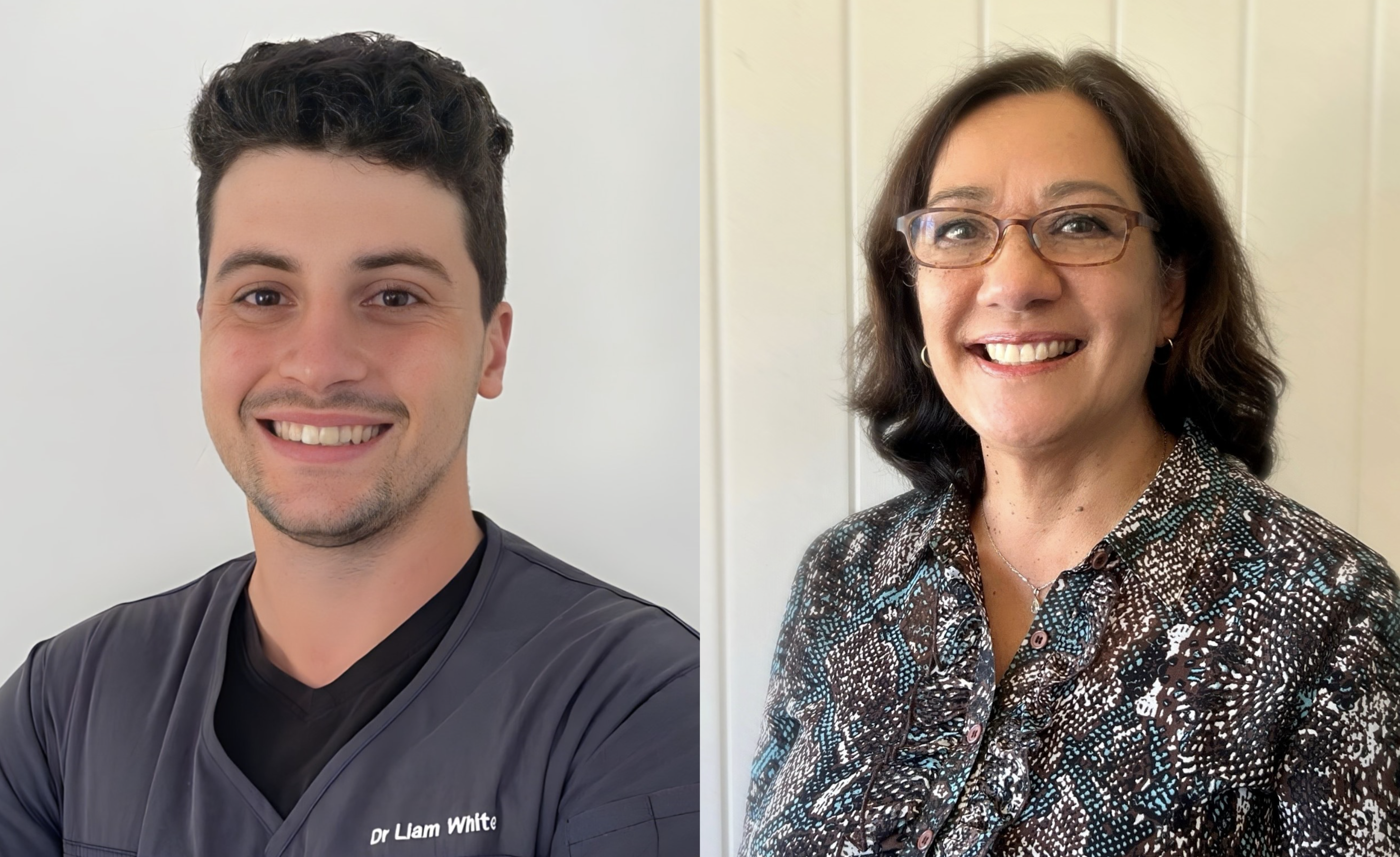
"While that may sound obvious, I strongly believe it is fundamental to achieving the best possible health outcomes," Dr White said.
Dr White's Doctor of Clinical Dentistry wouldn't be possible without the scholarship, he said he owes everything too.
"I am very, very grateful, and these initiatives are a great thing to encourage others to do the same. My goal is to take the opportunity I've been given and use my skills to give back to rural and regional Far North Queensland, where I grew up," he told National Indigenous Times.
"These communities are significantly under-served, and I hope to contribute in a meaningful way and make a lasting difference."
Just like his father is proud of him, Dr White hopes an increased First Nations workforce allows more families to feel the pride and "demonstrate what is possible for our communities".
More broadly, the federal government has a four-year $5.9 million commitment to increasing the number of Aboriginal and Torres Strait Islander people in cancer care, research and policy.
"It is the responsibility of the whole health system to provide culturally appropriate health care for Australians from diverse backgrounds," the Australian Health Ministers' Advisory Council (AHMAC) outlined in their Cultural Respect Framework 2016-2026 for Aboriginal and Torres Strait Islander health.
The AIHW's Aboriginal and Torres Strait Islander Health Performance Framework outlined, while still underrepresented compared to non-Indigenous people (at around 60 per cent) the rate of First Nations people aged 15 and over employed in health-related occupations increased from 255 to 309 per 10,000 between 2011-2021.
Nurses represent more than 50 per cent of these professionals.
"In cancer care particularly, the presence of First Nations professionals helps our people feel seen, heard, and supported in ways that extend beyond clinical treatment," Ms Mason said.
"Strengthening the representation of Aboriginal and Torres Strait Islander voices across the health workforce is essential to ensuring care respects culture and advances self-determination."



