




Ash Barty reached the pinnacle of tennis three times, but some of her most cherished memories was having a hit with her mates as a kid.
It's exactly what she sees at the National Indigenous Tennis Carnival in Darwin.
More than 160 First Nations young people, both chasing elite tennis and just getting started in the sport, from all around the country are there at the carnival this week.
They've come from every state and Territory, including nine teams coming from the Northern Territory alone — from cities and major centres including Darwin and Palmerston to remote communities such as Arlparra, Groote Eylandt, Jabiru, Jilkminggan, East Arnhem and the Tiwi Islands.
Two streams play over the days on Larrakia Country. There's a competitive tournament with championships on the line, and Tennis Australia national beginner program Hot Shots delivered for those starting out.
For Barty and others though, it's about so much more than tennis.
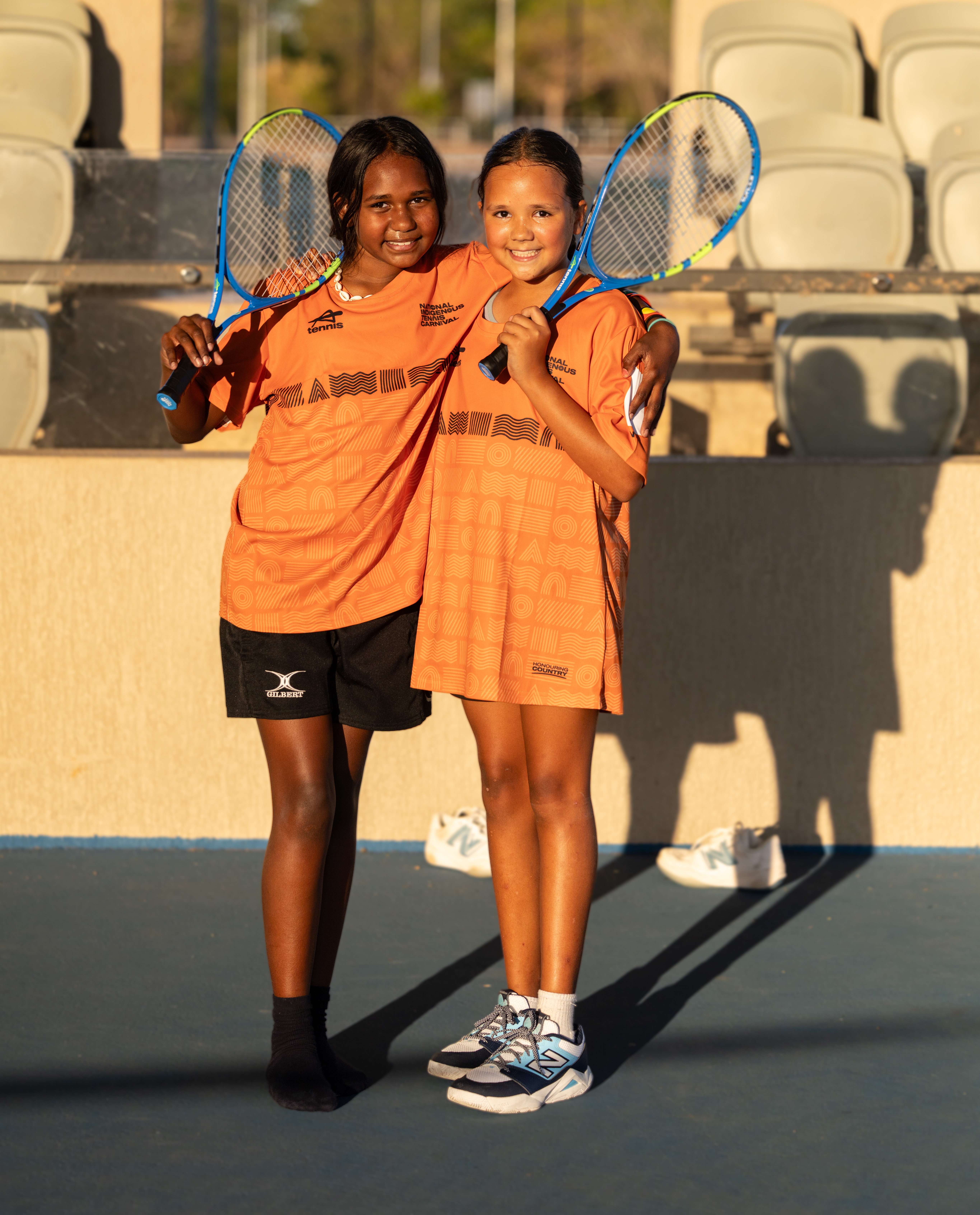
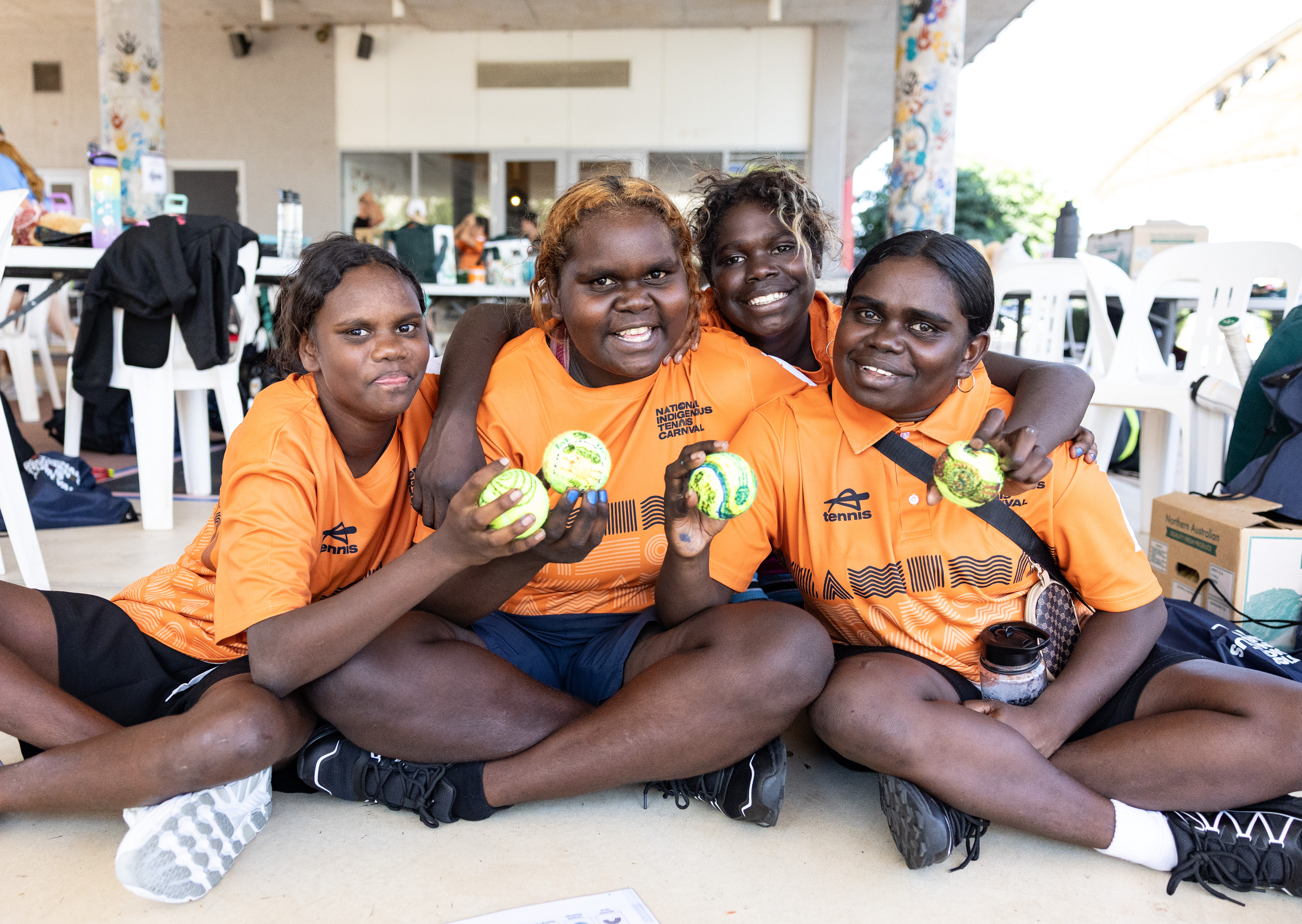
"It's ultimately about these kids coming together," Barty said on Friday.
"I think what makes this week so special is...cultural learning and understanding around education.
"Any time you can get a racket in kids' hands it's a positive thing.
To spend time with the kids is why she made the journey to the Top End, Barty said.
The Ngarigo woman retired at 25 after three Grand Slam singles wins.
Barty's the second Indigenous woman to lift the most coveted trophies in the game, after all-time great, icon of the sport and instrumental figure in what the NITC has become, Evonne Goolagong Cawley.
The carnival is described as the pinnacle of Indigenous Tennis pathways.
Last month, former participants took out the Oceania Cup coming up against the Pacific's best talent.
It's one of Tennis Australia lead and former high-performance pathways player Kyah Jones favourite times of the year.
"One of the most special parts of this event is seeing the pathway come full circle. So watching young people playing tennis, and who were once participants, but now coming back as mentors and in roles to work with us at Tennis Australia," Jones said.
Lawrence Dufficy is one of those past players.
"It's an amazing experience for every kid who comes to it," Dufficy said.
"Coming together as one, learning about culture and community...I feel like that's what tennis should really be about. It's not really playing the sport, but learning more about what the sport can do for you and making connections and pathways for everyone."
"It's a massive opportunity for any Indigenous player to be able to come out here, learn about tennis, learn about culture, and yeah, just have fun in general," he added.
Jones said in addition to seeing the connections made and some kids come out of their shell at the carnival, it's exciting to see the next generation of tennis players come through.
The NITC is in its seventh year in 2026.
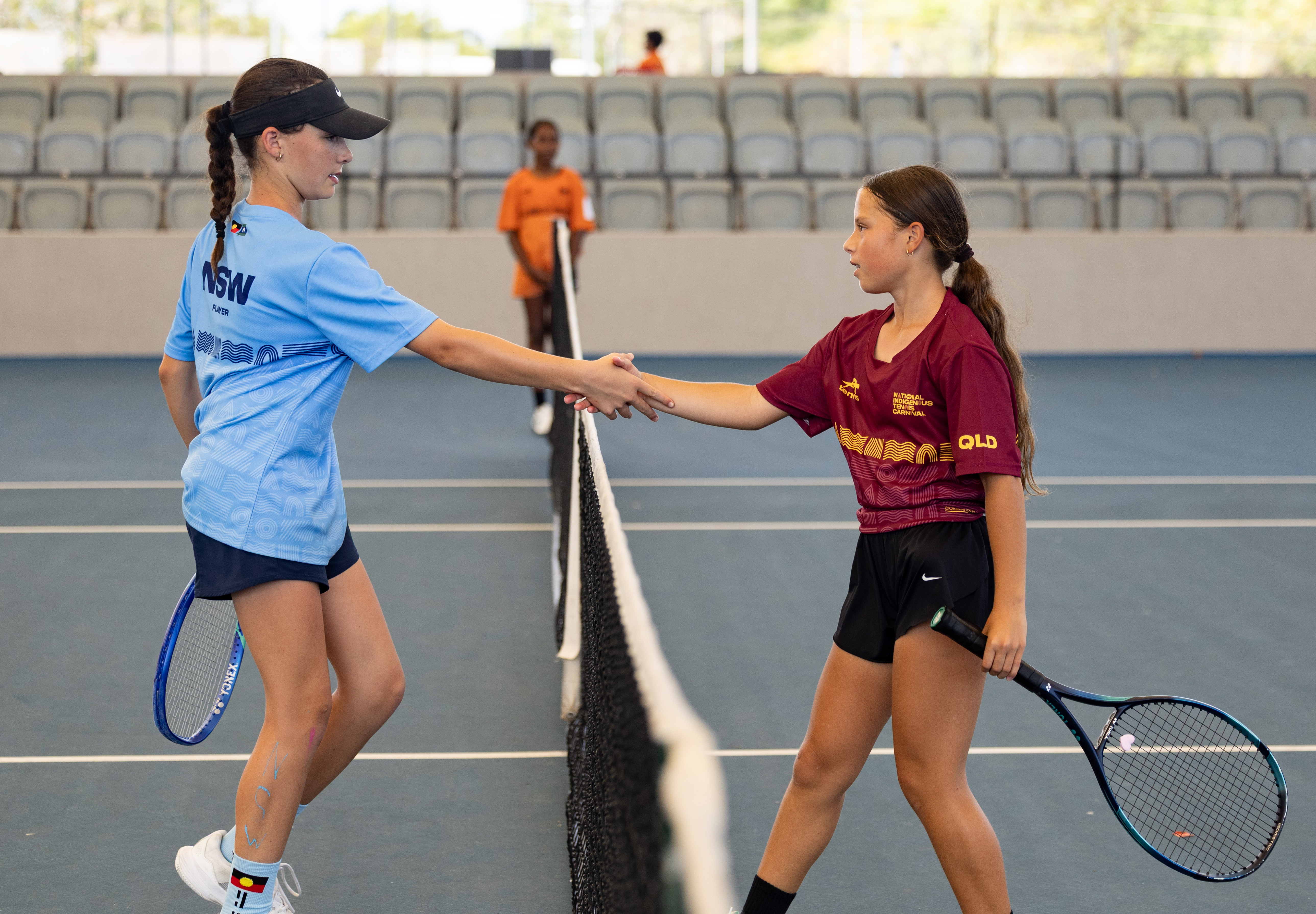
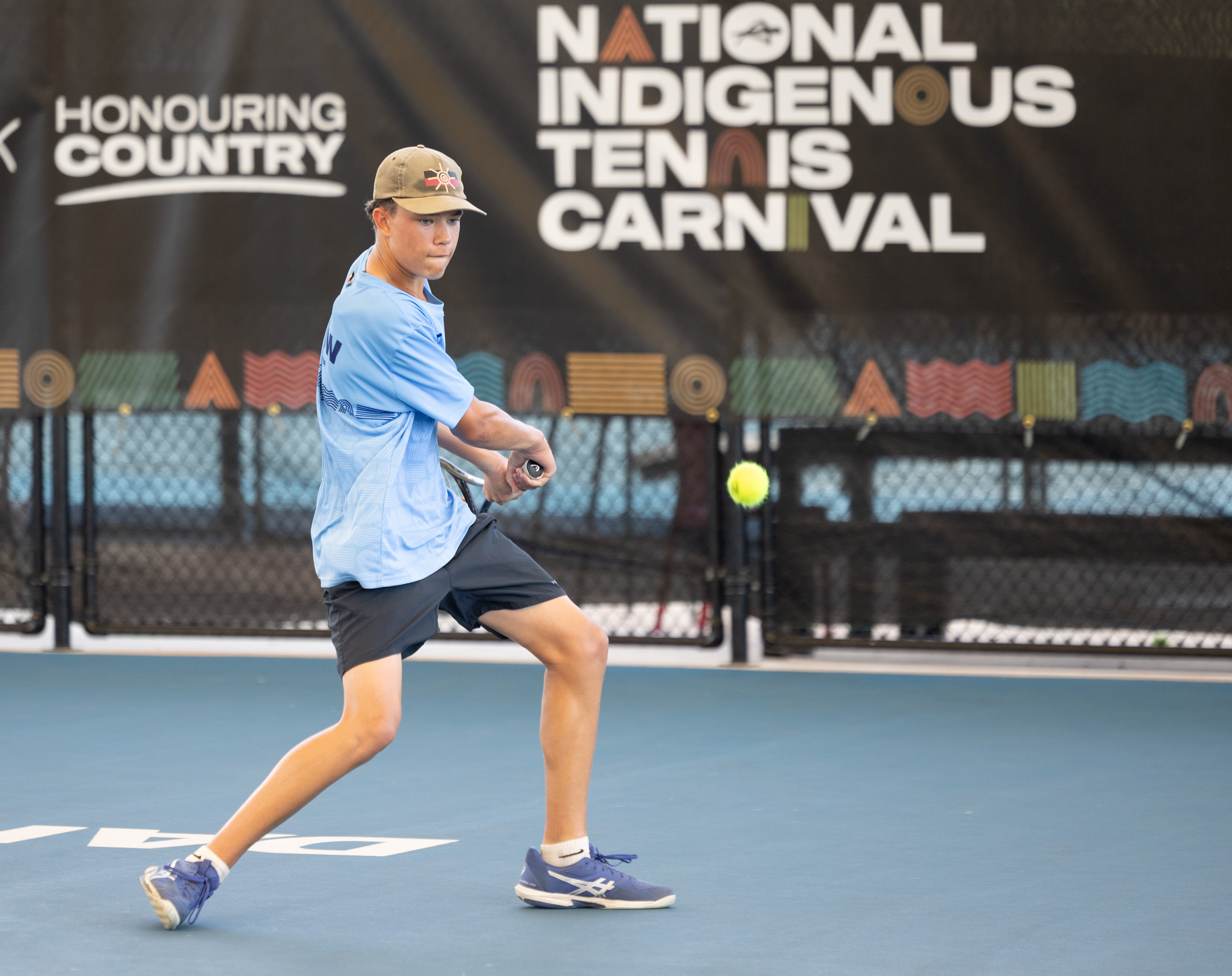
"It's become the pinnacle event for the national for the Indigenous tennis pathway in Australia," Tennis NT chief executive Tania Tandora said.
Singles finals are taking place on Friday.
States, as a collective, play for the Ash Barty Cup.
Speaking on the day, Barty looked back at when she was a younger player coming through the pathways.
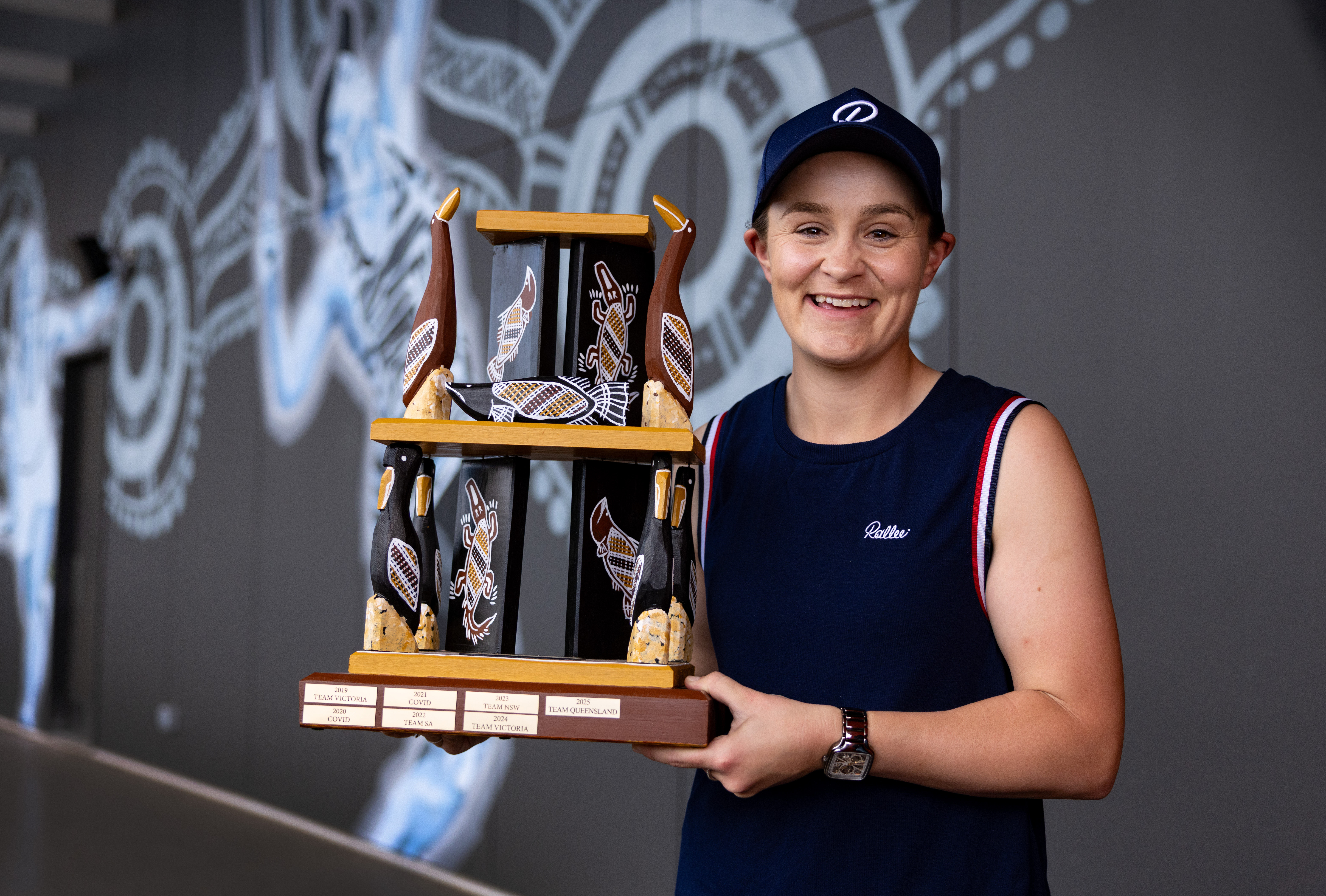
"It takes me back to the days when you play for your state. You play in a team with your best mates when you are 10-16 years old. When I was wearing that Queensland shirt, I was proud to play with my mates and do that together," she said.
"Traveling and playing...and sort of learning what it's all about. And yeah, when I come up here, it's nice to see so many kids having a good time."
Barty later added: "It doesn't matter what your level of tennis is. It's about being the best version of yourself and getting the best out of yourself."
"And if all of those kids can do that, regardless of whether they win one one match, win five matches, lose them all, the result really doesn't matter. It's about coming here and creating memories that last a lifetime, and hopefully sparking that interest and curiosity in kids wanting to pick up a tennis racket more often."



