


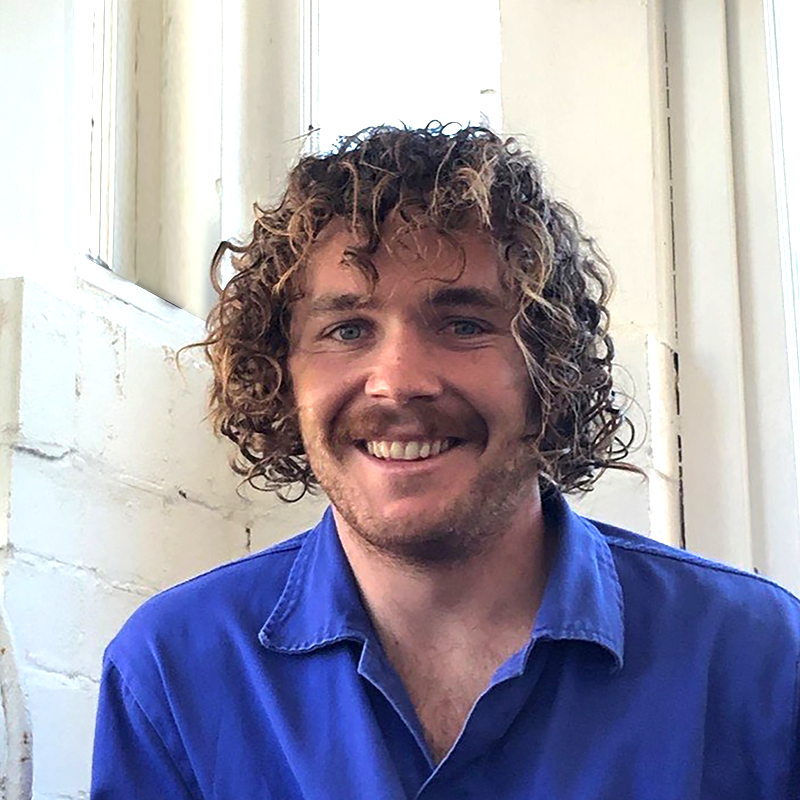

Thai, Wiradjuri, and Ngemba Wayilwan PhD student Khwanruethai Ngampromwongse wants to change the experience and effectiveness of the medical system for sexual and gender diverse mob, not just work within it.
On Tuesday, Ngampromwongse was named one of five inaugural recipients of a multi-million dollar-backed First Nations Cancer Scholarship helping Indigenous leaders in medical policy, research, care and improve cancer outcomes for Aboriginal and Torres Strait Islander people.
Four of the scholars will undertake Doctor of Medicine degrees.
"The type of work that I'm looking into really focuses on those intersectional-based issues, where someone from multiple marginalised backgrounds experiences multiple layers of compounding systemic marginalisation," Ngampromwongse told National Indigenous Times.
Continuing now as a scholar, the 26-year-old has started their PhD at the Australian National University, focused on strengthening culturally safe and affirming cervical screening for LGBTQISB+ First Nations people.
For mob with diverse sexual and gender identity, those experiences of marginalisation can be common - meaning more barriers to appropriate care when cancer is already the leading broad cause of death among Aboriginal and Torres Strait Islander people, Ngampromwongse said.
"That's really why I'm passionate about it, because there's not a lot of research out there that focuses on us and has our voice, inputting and also leading it," they said.
Born in Thailand, and raised in Meanjin (Brisbane) from the age of five "helping out my grandma with her tablets and pretending to play doctor and thinking that one day I might become a doctor" are early memories.
"But as I got older and started navigating the health system myself and managing my own chronic illness, I saw first hand how often the health system fails people like me, who are queer, disabled, a woman of colour, and from both an Indigenous and Southeast Asian background," Ngampromwongse said.
"Those sort of experiences really shaped me and how I wanted to change the system and not just work within it."
Ngampromwongse completed a Bachelor of Health Sciences at the University of Queensland in 2020, where through studies they "fell in love" with health advocacy and research.
"Research became a way for me to channel my lived experience and my activism into systemic level change," they said.
In 2023, Ngampromwongse was appointed Aboriginal and Torres Strait Islander Health Voice Cluster Convener for the Public Health Association of Australia.
Their PhD studies are housed at ANU's Yardhura Walani - National Centre for Aboriginal and Torres Strait Islander Wellbeing Research.
Between 2015-2019, cancer and other neoplasms accounted for 23 per cent of all deaths among Aboriginal and Torres Strait Islander people - the leading cause of mortality, according to the Australian Institute of Health and Welfare.
Among all five leading causes of death (also including circulatory diseases, injury and poisoning, respiratory diseases and endocrine, metabolic and nutritional disorders - largely diabetes) death rates were higher in remote areas.
This week's Closing the Gap Annual Report and Implementation Plan included commitment to recruiting up to 210 of the 260 new First Nations health care positions to improve cancer outcomes for First Nations people and provide access to chemotherapy treatment closer to home.
"This will also create viable career pathways in health for First Nations people, while facilitating access to treatment and Care on Country," the report reads.
At present, less than 1 per cent of health professionals in Australia identify as Indigenous.
"Cancer is one of the biggest health challenges for our people, and yet most of the research so far hasn't been led by us, and that's a really big problem," Ngampromwongse told National Indigenous Times following their scholarship announcement.
"When research is done about us and without us, it reinforces the Western colonial and non Indigenous ways of thinking, and that doesn't work for our communities."
They added: "LGBT+ mob are falling through the cracks of mainstream cancer prevention and screening" which assumes heteronormative, binary and Western norms".
"I wholeheartedly believe that if healthcare isn't safe, affirming or welcoming, people won't engage with it. That's just the reality," Ngampromwongse said, "so many of our people have experienced medical trauma, racism, misgendering, discrimination or just plain ignorance when they're trying to access care".
"I think that's why so many of us avoid cervical screening altogether…it's not just because we don't care about our health, but it's because we don't trust the system. I think that making screening more accessible is an urgent thing that we need to focus on.
"Culturally safe, Indigenous-led sexuality and gender-affirming care must be implemented to meet our need."
Ngampromwongse advocates for greater accessibility to self-collect cervical screening - in cases to avoid distressing clinical settings, and advocates for free HPV vaccines.
HPV is the lead cause of cervical cancers.
Part of their current research includes looking at cervical screening and HPV vaccine needs for LGBT+ mob across regional and remote areas.
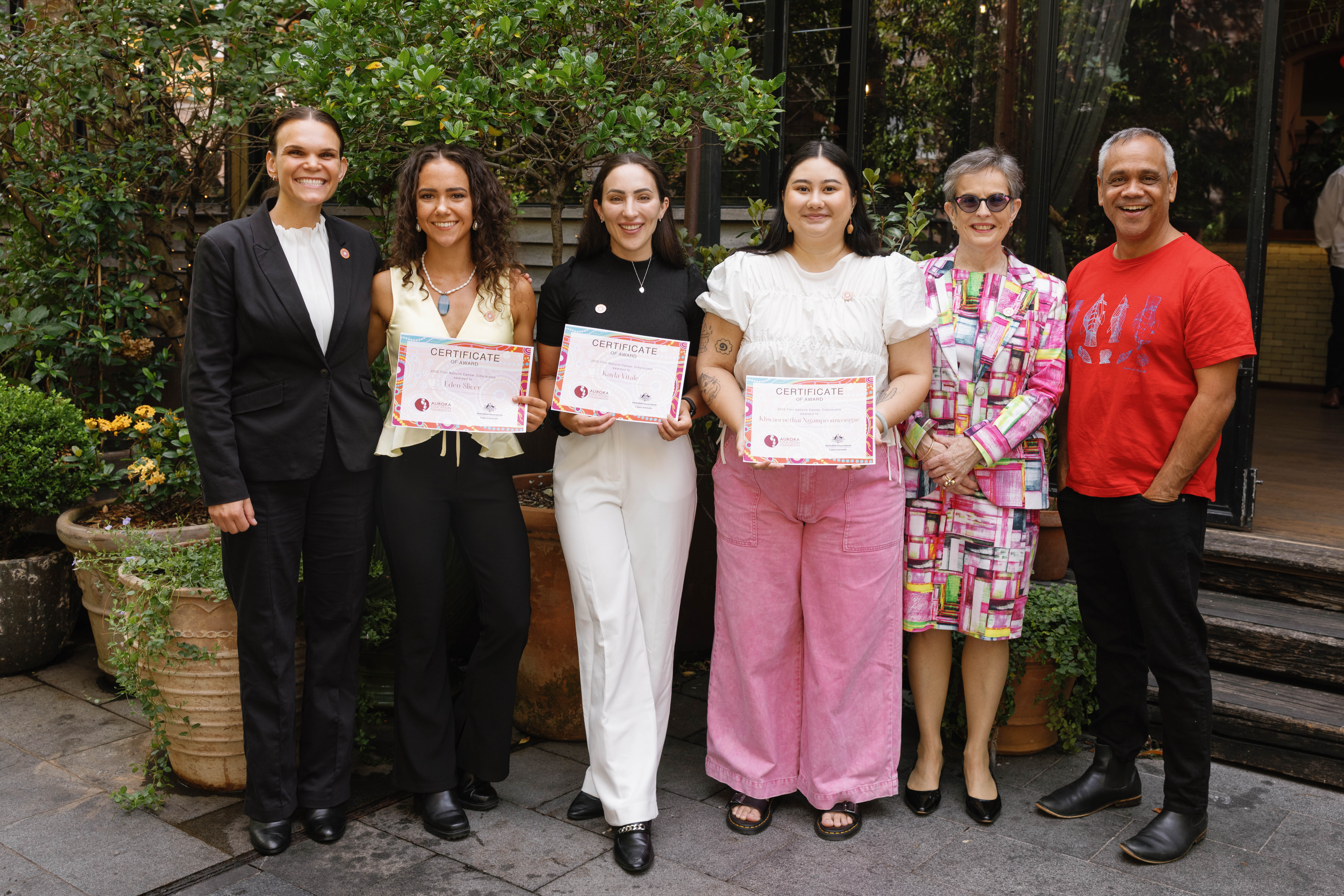
The First Nations Cancer Scholarship is delivered by the Aurora Foundation via funding from federal government agency Cancer Australia, part of a four-year commitment to expand the pipeline of Indigenous cancer policymakers, researchers and care providers.
Each scholar is supported by $120,000 per year for three years for full-time study or research.
"To improve cancer outcomes for First Nation Australians, we must increase Indigenous and Torres Strait Islander representation in the field – that's exactly what these landmark scholarships support," Assistant Minister for Indigenous Health Ged Kearney said.
"These scholarships are going to change lives. For the recipients, for their communities and for First Nations Australians from the Top End to Tasmania.
"As a former nurse myself, I can't think of a better field to enter than healthcare policy, research and delivery. Congratulations to all the scholarship recipients."
It's an "honour, but also such a huge responsibility" Ngampromwongse said of their scholarship.
"I want to acknowledge that I'm here because of the blackfellas before me who fought for a seat at the table. Now coming into my research career, I want to be able to open more doors for others."
They said investment for Indigenous researchers, doctors and health leaders, is about more than funding, "It's about ensuring that mob are in positions of power to shape the future of our healthcare system".



