


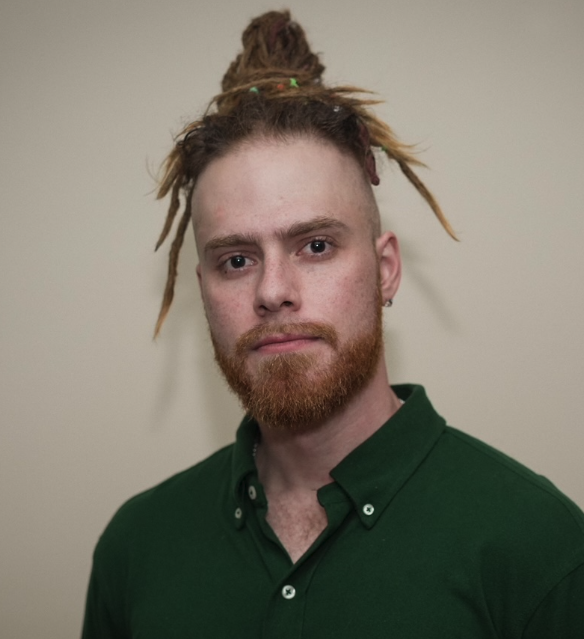

Manandanji woman Dr Lorelle Holland says prioritising prevention over punishment could reduce child incarceration and avoid youth detention costs of up to $3,000 a day per child.
University of Queensland research found Aboriginal and Torres Strait Islander children were detained at 27 times the rate of non-Indigenous children in 2024.
Dr Holland, from UQ's Australian Research Council Centre of Excellence for Indigenous Futures, said incarceration reflected broader social, health, education and policy failures.
She said many children entered youth justice with complex needs that had not been addressed.
"Many children entering youth justice systems experience complex and unmet support needs for trauma, disability, housing instability, family stress, barriers to culturally safe health, education and social support," Dr Holland said.
"Too often we respond to children's distress, disability, trauma and unmet support needs through punitive systems rather than through care, healing and early intervention."

Dr Holland worked with Elders, community members, educators, health professionals and youth workers to develop the Transformative Healing and Adungadoo Pathways framework.
The framework identifies priority areas for funding, including early childhood support, therapeutic healing programs, flexible education, crisis housing, family support and social and emotional wellbeing programs.
Dr Holland said wrap-around services could address several needs at once.
"In practice, wrap-around services may involve a developmental assessment for a child alongside coordinated support for family wellbeing, housing, education and health needs," she said.
The latest data shows Indigenous children account for 60 per cent of the youth detention population, despite making up 6.6 per cent of people aged 10 to 17.
The figures highlight the need for culturally responsive, community-led prevention and support.
"These figures point to deep systemic inequities and highlight the need for greater investment in culturally responsive, community-led prevention, healing and support pathways," Dr Holland said.
"Current policies pay for detention centres and out-of-home care rather than offering support to children and families, despite research showing this only makes offending worse.
"Greater investment in early intervention is far more effective than waiting until children reach crisis point."
The research found children were more likely to thrive when connected to family, culture and community.
Punitive responses could disrupt those connections and contribute to intergenerational trauma.
The research was published in First Nations Health and Wellbeing - The Lowitja Journal.



