


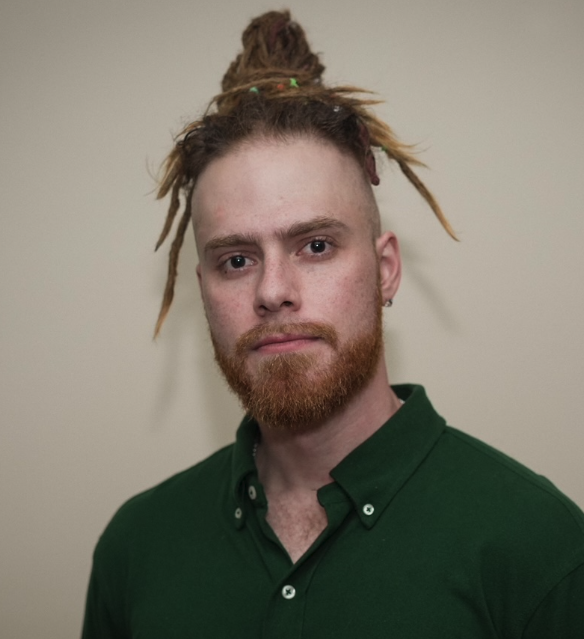

The MJD Foundation travelled approximately 34,000 kilometres across 27 outreach trips during 2025-26 to support Aboriginal and Torres Strait Islander families living with inherited neurological conditions in remote Australia.
Its Community Services Team assisted 91 clients across 18 locations in the Northern Territory and Far North Queensland, helping families access health care, disability services and ongoing support.
The organisation works with people living with Machado-Joseph Disease (MJD), Spinocerebellar Ataxia Type 7 (SCA7) and associated conditions.
These progressive neurological conditions can affect mobility, communication and personal care, with support needs changing over time.
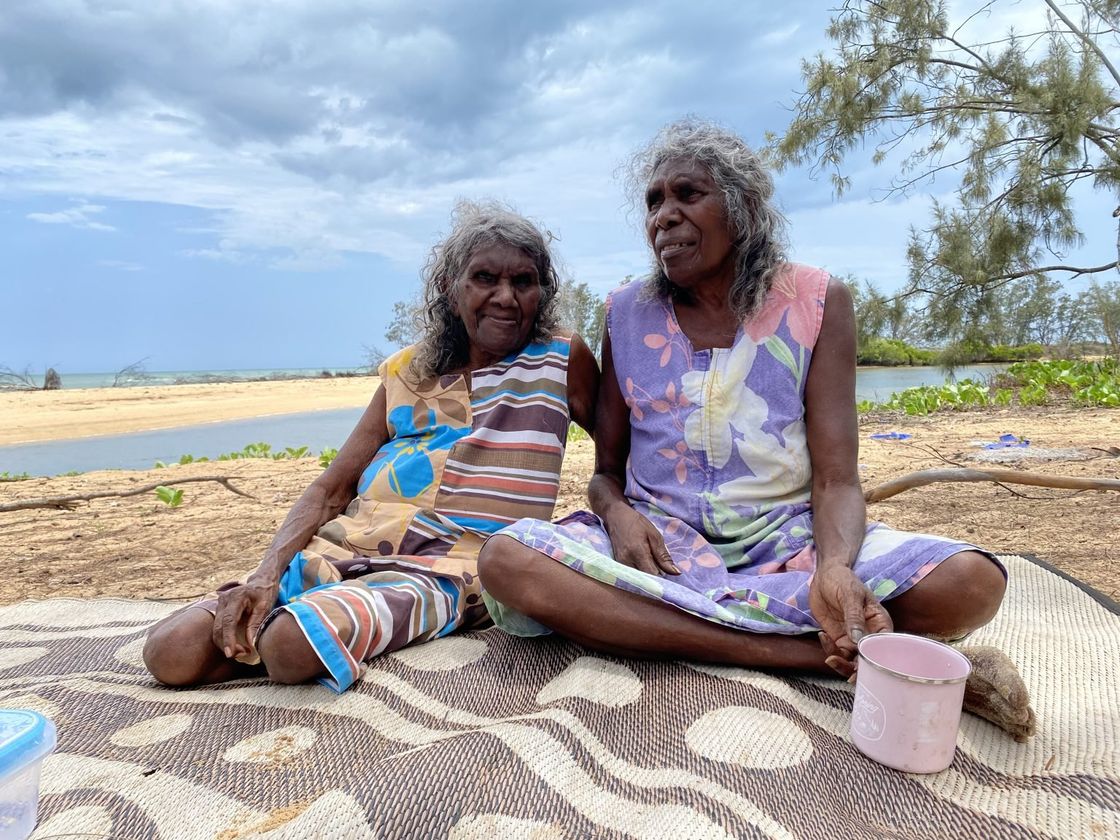
For Warnindilyakwa woman and MJD Foundation vice-chair Gayangwa Lalara, access to care has made a difference for families on Groote Eylandt, where MJD has affected multiple generations.
"We didn't know what it was... We didn't know how to care for our sick people. We have wheelchairs now," Ms Lalara said.
"We have ramps in our homes. I don't feel shame anymore. We don't blame ourselves anymore."
The Foundation helps families arrange appointments, obtain equipment, navigate the National Disability Insurance Scheme (NDIS) and coordinate services in communities far from specialist providers.
Its work extends across Darwin, Groote Eylandt, Ngukurr, Central Australia, northeast Arnhem Land and Far North Queensland.
During the financial year, staff undertook 11 outreach trips in Central Australia, including four to Papunya, and seven trips to Townsville to maintain contact with families across the region.
Further outreach included Galiwin'ku and Ngukurr, where staff worked alongside local health services, disability providers and community organisations.
A major part of the Foundation's approach is maintaining support between visits through Aboriginal Community Workers who live and work in the communities they serve.
The organisation employed 19 Aboriginal staff during 2025-26, including 16 directly involved in service delivery.
Community workers maintain contact with families, identify changing needs, assist with care plans and connect clients with visiting specialists and local providers.
Families are involved in identifying suitable workers so that kinship relationships, cultural responsibilities and community protocols are respected. Some workers have personal or family experience of MJD or SCA7.
In Ngukurr, the Murlgurdurdur Client Wellbeing Centre provides a permanent base for community support, reducing reliance on occasional specialist visits.
The Foundation completed three outreach trips to Ngukurr during the year, while locally based staff continued assisting families between visits and responding to changes in their circumstances.
Foundation board chair Jenny Macklin described the centre's role in the organisation's 2025-26 Annual Impact Report.
"It is a culturally safe place where local Aboriginal Community Workers are there for families every day, not just when the plane lands," Ms Macklin said.
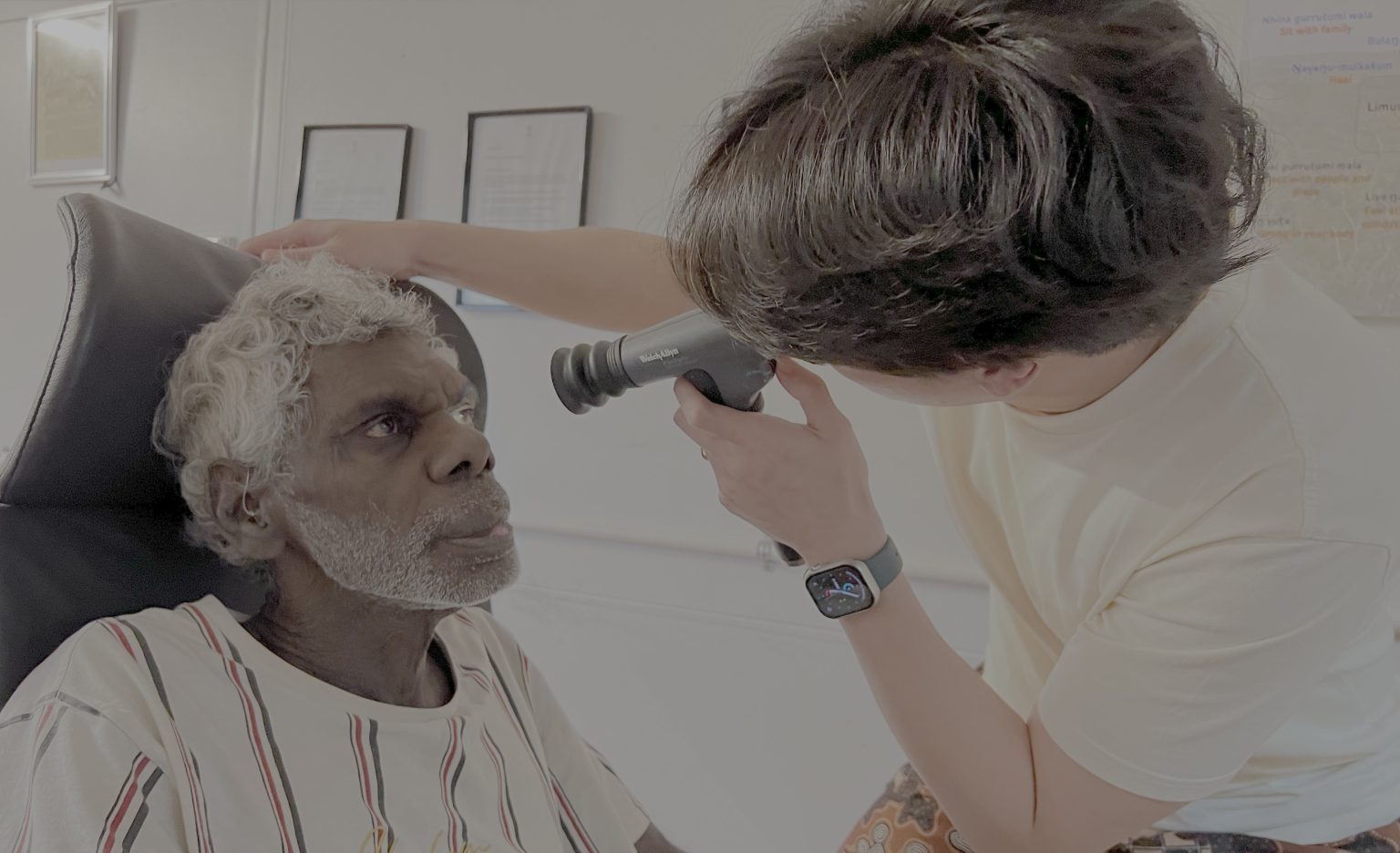
The Foundation also connects families with specialist clinical and allied health care.
Its Ataxia Clinic program provided neurological reviews and allied health assessments to 64 clients across 11 locations during the financial year.
The Therapy Program delivered 1,177 hours of occupational therapy, physiotherapy and speech pathology, twice the previous year's total despite ongoing workforce pressures.
Staff help families follow through on clinical recommendations, including organising equipment, updating support plans and seeking disability funding reviews when needs change.
MJD Foundation chief executive Jacquie Hatt outlined the importance of coordinating these services in the Annual Impact Report.
"This integrated approach is essential for families living with progressive and complex conditions, particularly across remote and very remote communities where services are often fragmented or difficult to access," Ms Hatt said.
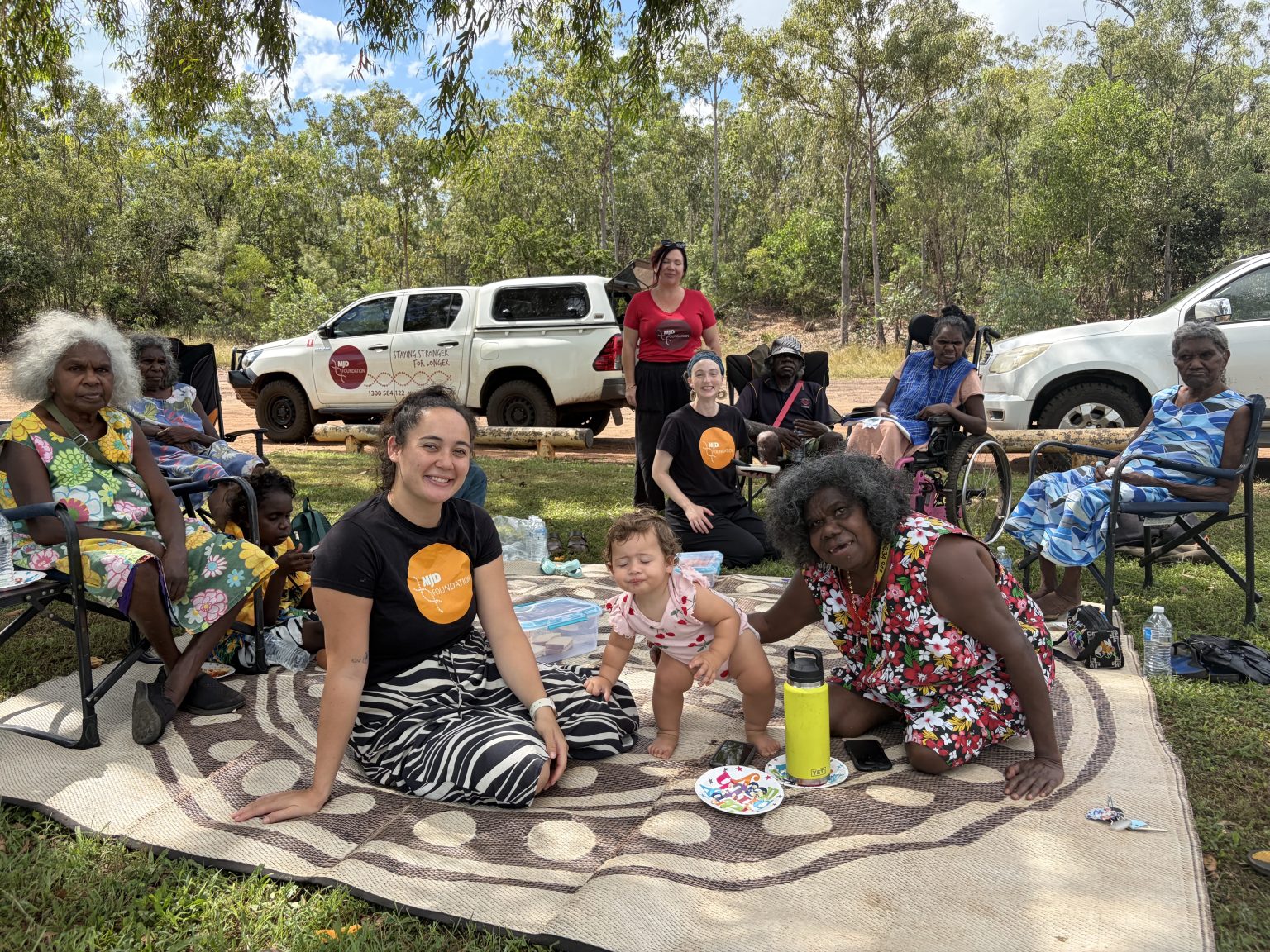
The Foundation's Kin Connect Program also supported 15 journeys during 2025-26 for Aboriginal people who had relocated for care to reconnect with Country, family and community.
These visits may involve arranging flights, accessible accommodation, transport, specialist equipment and support workers for people with complex mobility and personal care requirements.
Donors and partner organisations help cover costs that are not always met through disability funding.
Ms Lalara has also raised concerns about the support younger family members will need as the disease continues to affect generations.
"I don't want my grandchildren to go through this without support," she said. "We are proud in our care. And we are proud of the MJD Foundation."
The MJD Foundation relies on government funding, community partnerships and donations to continue supporting families living with MJD and SCA7 across remote Australia.
Those wishing to contribute can make a one-off donation or become a regular supporter through the MJD Foundation website.



