



Aboriginal families are helping shape a new phone app designed to make it easier to keep track of their children's ear health when moving between healthcare services.
The free Pathways app brings a child's ear health history into one place, giving parents and carers a record they can share at appointments.
Flinders University researchers developed the tool following a community study into hearing health needs and access to care in South Australia's Far West.
Families involved in the study described having to repeatedly explain their child's medical history as they dealt with different providers.
"Parents told us they were having to repeat their child's ear health story to every new provider, and they needed a simpler way to keep that information in one place," Flinders researcher Dr Celine Northcott said.
"These children are seen by many different services and clinicians over time, and staff turnover is high in remote areas, so a child's ear health history is often lost between appointments."
Aboriginal and Torres Strait Islander children experience ear infections and hearing problems at about five times the rate of other children.
Persistent ear disease can affect speech and learning, as well as children's connections to culture and community.
The researchers worked with Aboriginal families and Far West Community Partnerships to design the app, with guidance from an Aboriginal Advisory Group.
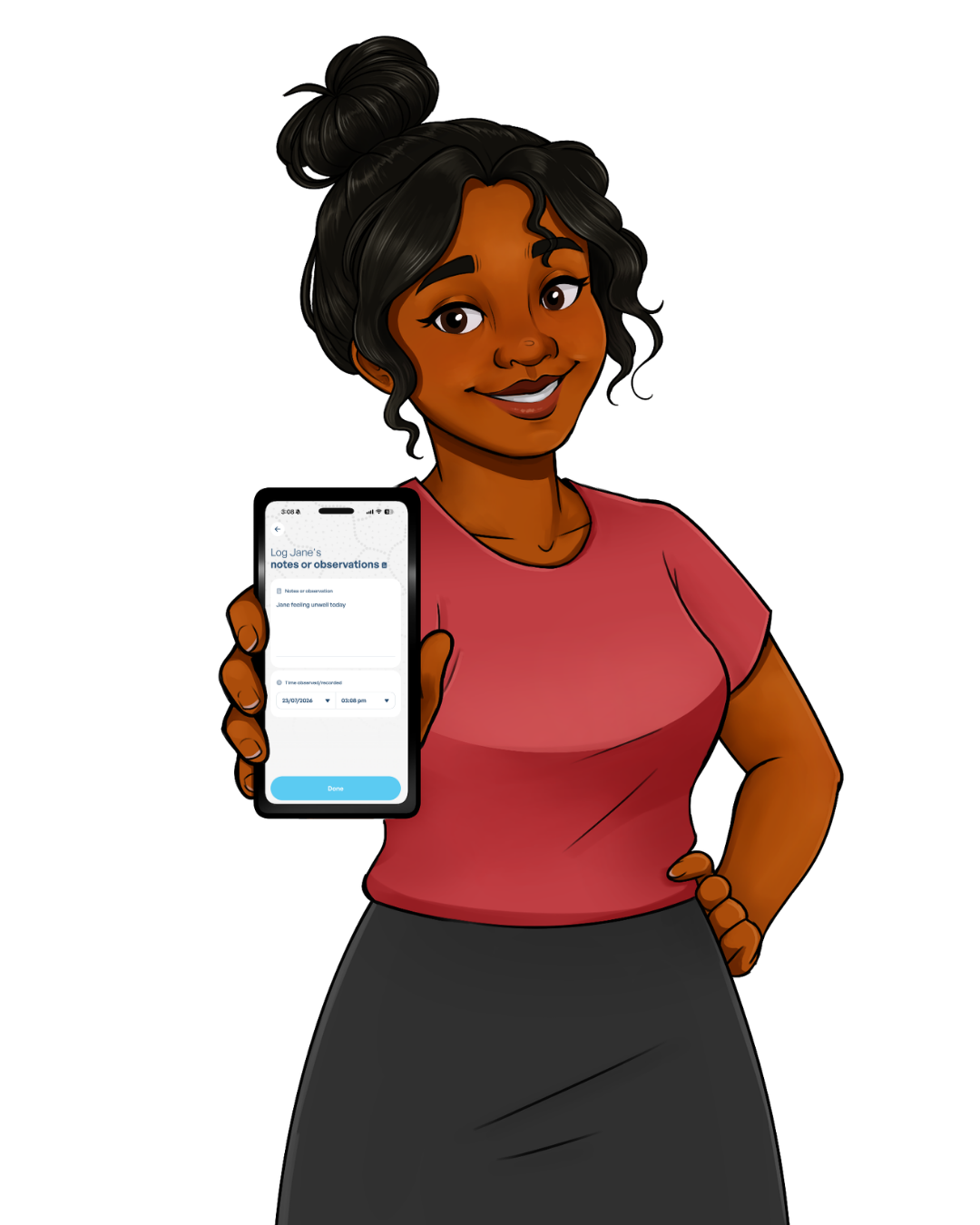
Parents and carers can record symptoms and observations over time, creating a history to discuss with their child's doctor and they can also manage records for more than one child.
A medication log includes dose reminders, while separate trackers help families keep track of appointments and surgery.
The app also provides access to general ear health information and its offline function allows families to use it in places where mobile reception is unreliable.
Dr Northcott told MobiHealth News that much of the responsibility for keeping track of a child's care already rested with families.
"At the moment, much of a child's ear health history is held by families themselves, often in their memory or in paper records, and shared by retelling at each appointment," she said.
The app gives families a way to organise that information, although it does not currently connect with electronic medical record systems.
A pilot evaluation is underway with families in South Australia's Far West to assess how useful the app is in everyday life and identify possible improvements.
"We are looking at how families use the app, what they find most helpful, and whether it feels easy to use, useful and culturally appropriate," Dr Northcott said.
Supported by National Health and Medical Research Council funding, the app was developed by KWP and features artwork by Ngarrindjeri artist Jordan Lovegrove and Dunghutti artist Emily Ferry.
Pathways is available free through the Apple App Store and Google Play, and while designed with Aboriginal families, it can be used by anyone.



