


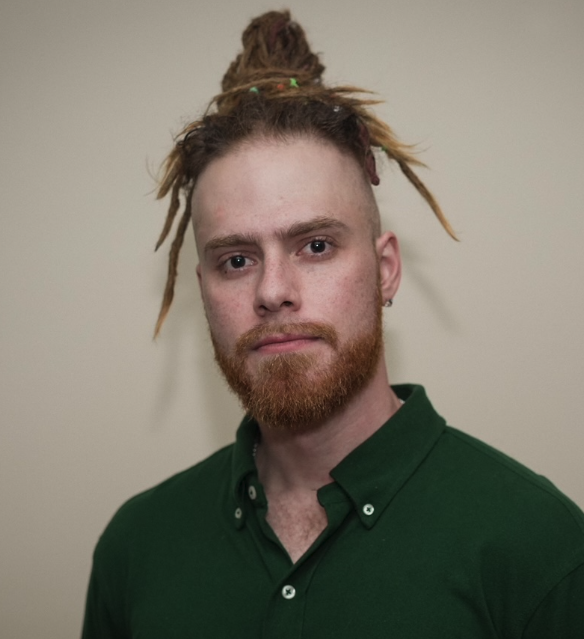

Screenrights is set to provide $293,400 to six Australian and Aotearoa New Zealand projects through its 2026 Cultural Fund.
This year's funding round is focused on Learning Through Story, with projects supporting First Nations education, Indigenous storytelling, disabled creatives and underrepresented screenwriters.
Young Yarnz will receive $50,000 to develop a digital platform helping teachers deliver culturally safe First Nations education through guided screen stories and classroom activities.
The Fremantle-based project has produced video lessons featuring Aboriginal and Torres Strait Islander storytellers and knowledge holders, but its current learning system was not designed for primary school classrooms.
The new platform will turn the content into interactive, curriculum-aligned modules, with prompts and tools supporting teacher-led discussion and reflection.
Nyikina and Ngāti Porou woman and Young Yarnz founder Marlanie Haerewa welcomed the funding.
"Teachers across Australia are required to teach First Nations content as part of the curriculum, but many tell us they simply don't have the resources or confidence to do it, so it often ends up not being taught," Ms Haerewa said.
"This funding will help us change that.
"With the support of the Screenrights Cultural Fund, we'll build a purpose designed digital platform that transforms our screen content featuring First Nations knowledge holders into interactive, curriculum aligned learning modules."
.jpg)
Indigenous-owned animation studio Studio Gilay will receive $50,000 for Animation as Living Story, a series of culturally safe online modules addressing the underrepresentation of Indigenous practitioners in Australian animation.
The modules will follow the animation pipeline and provide guidance for embedding Indigenous stories throughout production, from the initial concept to technical execution.
The free resource will be available to students, producers and studios across Australia.
Studio Gilay will also work with the University of Sydney on an industry survey measuring gaps in Indigenous representation and protocols.
Gomeroi and Mandandanji man Jake Duczynski described the funding as a major step.
"The grant will allow us to deep-dive into the immense power and impact potential of Indigenous storytelling in the digital realm," Mr Duczynski said.
"As we step into this space, we recognise that our role as a conduit, bringing the rich stories, knowledge systems, and artistry of our communities to life with animation - also requires building rigorous protocol around those voices to enable safety, protection and sustainable practice."
%20WWII%20UXO%20survivors%20Jeff%20Manle%20and%20Maeverlyn%20Pitanoe,%20along%20with%20Chris%20Teasdale%20from%20the%20HALO%20Trust%20and%20Tuki%20Laumea%20of%20Nine%20Islands%20Media..jpg)
Nine Islands Media will receive $50,000 to deliver an eight-week Māori and Pasifika Impact Producing Lab for up to eight screen practitioners across Aotearoa New Zealand.
The online program will teach participants how film and television stories can be designed to reach, engage and influence audiences and communities.
It will combine workshops, strategy development and feedback delivered by Māori, Pasifika and international impact experts.
The program responds to a lack of formal impact-producing training in New Zealand, particularly approaches centred on Indigenous and community-led storytelling.
Nine Islands Media's Cleo Fraser (Te Arawa), outlined the need for the initiative.
"There's incredible Māori and Pasifika storytelling coming out of Aotearoa, but there are still very few opportunities for practitioners to learn how to build impact around that work," Ms Fraser said.
"This Lab is about giving people practical tools to think beyond the screen - to build partnerships, reach the communities and decision-makers who matter, and create strategies that can help our stories have a longer life and greater effect."
Film Bay of Plenty will receive $44,000 for He Kōrero Tuku Iho - Stories Carried Forward.
The place-based program will deliver workshops and story labs across the Bay of Plenty, helping communities develop the skills and confidence to turn cultural and lived experiences into screen narratives.
Key sessions will also be developed into an online learning resource for educators and emerging creatives.
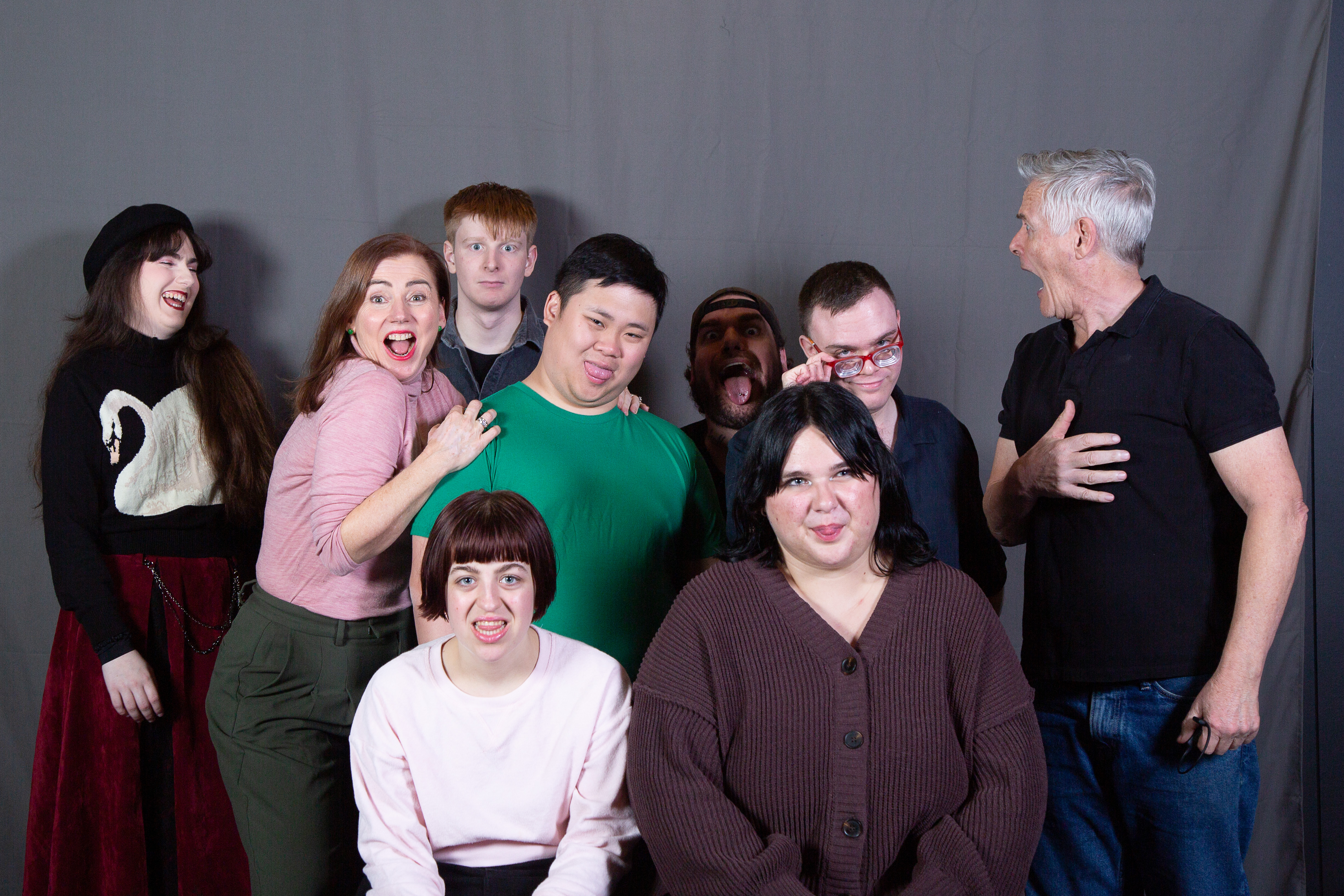
Brock Casting Services will receive $49,400 for Lights On: Story-Led Learning for Disabled Creatives.
The disability-led screen training initiative aims to remove barriers preventing disabled creatives from entering the screen industry.
Following a five-person pilot, the funding will support a documented curriculum, an online learning platform and a new group of eight participants.
Participants will develop on-camera skills, screen literacy, professional confidence and industry readiness through screen stories and their own work.
The remaining $50,000 will bring The Writers Lab for women screenwriters over 40 to Australia.
The five-day script development intensive will select 12 female, non-binary and gender-diverse writers aged over 40 from Australia and Aotearoa New Zealand.
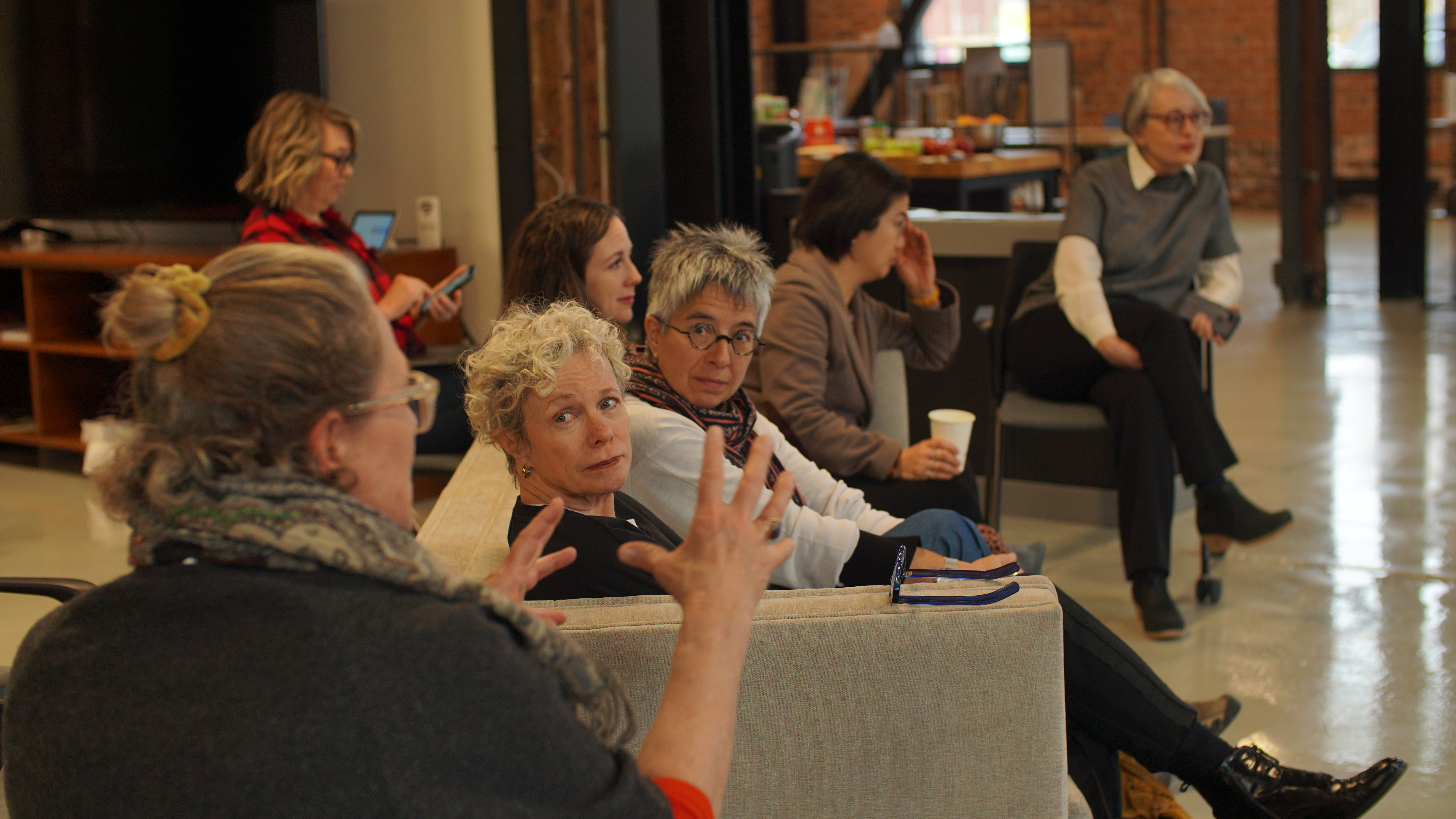
Participants will work with industry mentors to develop their scripts, professional skills, networks and careers.
The program is based on a model delivered in the United States, Canada, the United Kingdom and Europe.
Screenrights Cultural Fund Working Group chair, Tom Alegenourias, said the projects would support diverse communities.
"From culturally safe classroom tools to mentorship for emerging storytellers, the six selected projects will help diverse screen stories reach and empower communities across Australia and Aotearoa New Zealand," Mr Alegenourias said.
"The Screenrights Cultural Fund continues to be a vital springboard for initiatives that break down barriers and build lasting sector capability."
The Cultural Fund has provided more than $2.2 million to Australian and New Zealand projects since it began in 2018.
More information is available on the Screenrights website.



