


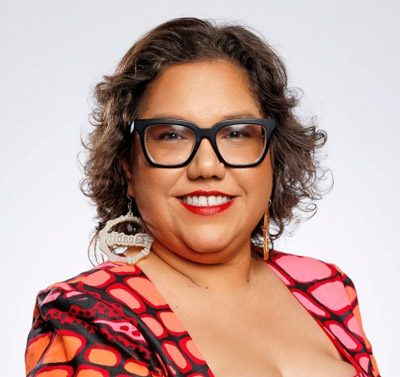

On National Sorry Day, we pause to remember the pain inflicted on Aboriginal and Torres Strait Islander families — the forced removals, the fractured identities, and the deep emotional scars that still shape our lives. But there's another kind of pain too. A quieter one. The ache of not knowing.
I can only trace my family's story back five generations on paper.
Beyond that, the trail disappears — stolen by colonisation, erased by policy, and hidden beneath systems that never saw us as worthy of recording unless it served their purpose.
This is the silent impact of colonisation. The empty boxes on family trees. The stories that were never written down. The names we'll never know. The birthplaces listed as "unknown." The deaths unrecorded. And for those of us still piecing our identity together, it's like trying to rebuild a home without all the bricks.
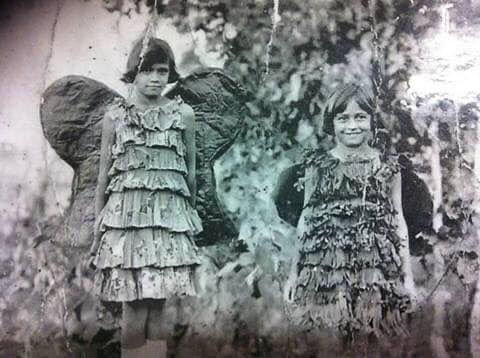
Five generations might sound like a lot. But when your culture goes back tens of thousands of years, five generations is barely a whisper. Colonisation didn't just take land — it took records, languages, ceremonies, and kinship lines. It interrupted the sacred intergenerational flow of knowledge. Where once we passed down stories with pride, we now fight to reclaim them.
For many Aboriginal people, this gap in our personal histories is just as painful as the things we do know. Because the silence isn't neutral — it's heavy. It's full of the things we should've grown up knowing. The ancestors whose names we should speak. The places we should visit to feel our roots. The languages we should be fluent in. The songs we should hear in our dreams. This loss of continuity is not accidental. It was a weapon. Designed to disconnect us from ourselves, from each other, from Country. And yet — we are still here.
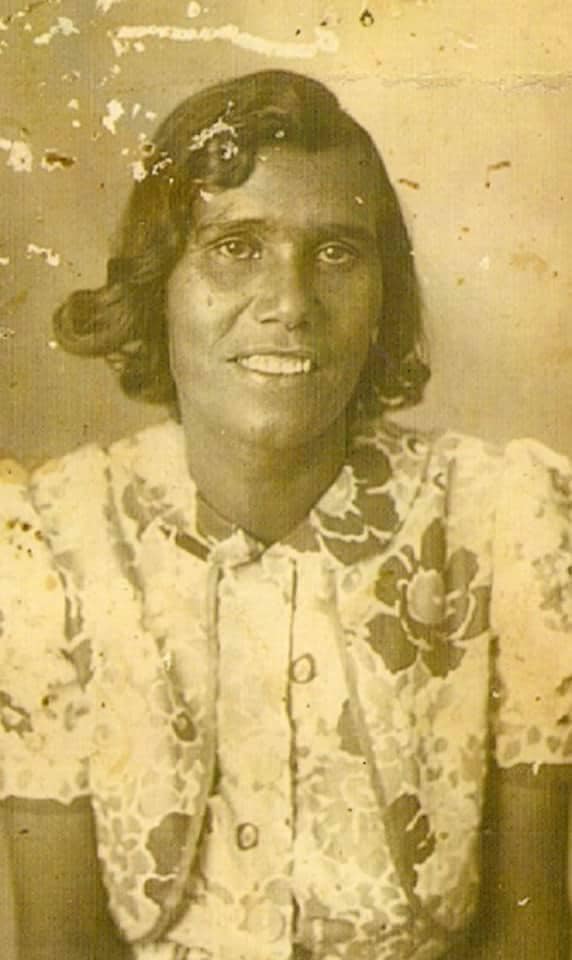
We carry more than blood. We carry memory. We carry spirit. We carry strength.
I stand today as a proud, strong Black woman not just because of who I am — but because of who came before me. I am here because of their sacrifice, their survival, and their love. I follow in their footsteps. Even when those footsteps were nearly erased, their path still lives in me. They paved the way through pain so I could walk with purpose.
Even without the full map of our ancestry laid out in ink, we still know who we are. Our existence is resistance. And each step we take to reclaim what was taken — a name, a word, a ceremony, a song — is a step toward healing.
On Sorry Day, we say the names we do know. We honour the ancestors whose faces we never saw but feel in our bones. We grieve for what was lost, and we fight for what we still have.
"Though I can only trace back five generations, I am the living, breathing continuation of all those whose names were never written down."
It lives in the spaces in between. It lives in my community. In my voice. In every moment I choose to show up as my full self, even when the system tried to erase that self-long ago.
National Sorry Day isn't only about looking back — it's about holding space for the complexity of what we carry. Grief. Pride. Loss. Love.
And the unshakable knowing that we are more than what was taken — because we are the legacy of those who refused to be forgotten.
National Sorry Day - May 26 - marks the 1997 publication of the landmark Bringing Them Home report on Stolen children.



