




Aboriginal activist Ruth Langford has been found guilty of trespass by a Hobart court despite a magistrate acknowledging her cultural obligation to protect Tasmania's old-growth forests.
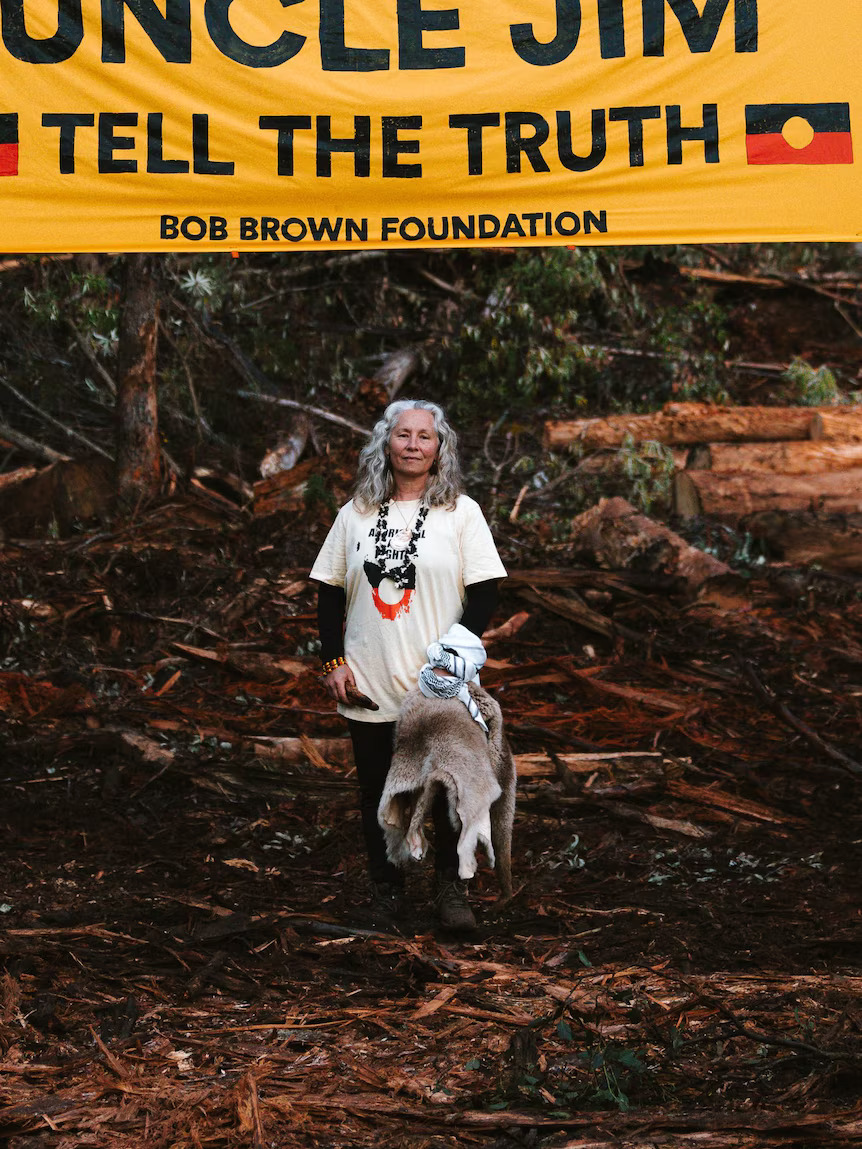
Representing herself, the Yorta Yorta and Dja Dja Wurrung woman had pled not guilty to one count of trespass after she participated in "peaceful actions to protect native forests" at a forestry coup in Tasmania's north in January 2025.
Ms Langford argued she acted under First Law to to fulfil her cultural obligation to protect Country with the permission of Senior Tasmanian Aboriginal Law Keeper, Uncle Jim Puralia Meenamatta Everett.
In delivering her written judgement on Tuesday, Chief Magistrate Catherine Geason accepted Ms Langford held cultural obligations within the Aboriginal community.
"Ms Langford was entitled to engage in cultural practices and prevent the logging contractors from commencing their work," Chief Magistrate Geason wrote.
"I also acknowledge the evidence of Ms Langford and her witnesses regarding the profound grief and responsibility experienced by Aboriginal people when old-growth forests are cleared."
However, she wrote, once a forestry worker asked the group to leave, any entitlement ended.
"... the court is bound to apply the law as enacted by parliament," Chief Magistrate Geason wrote.
"Customary obligations, however ancient or deeply held, do not operate independently to confer a lawful excuse."
Following the judgement, Ms Langford said the day marked a "powerful moment" for Aboriginal people in Tasmania.
"The Magistrate recognises and acknowledges my deeply held genuine and spiritual obligation to protect cultural heritage and old growth trees, which I regard as kin," she said.
"She also acknowledged the evidence regarding the profound grief and responsibility experienced by Aboriginal people when old growth forests are cleared.
"Our ancient system of cultural law has guided how we care for Country for thousands of years.
"It is a system of care and governance that can lead the way in protecting the forests and the waterways and the very things that give us life."
Ms Langford said Aboriginal people have long raised the alarm that Tasmania's ancient old growth forests, the state's waterways and its cultural landscapes "need urgent care".
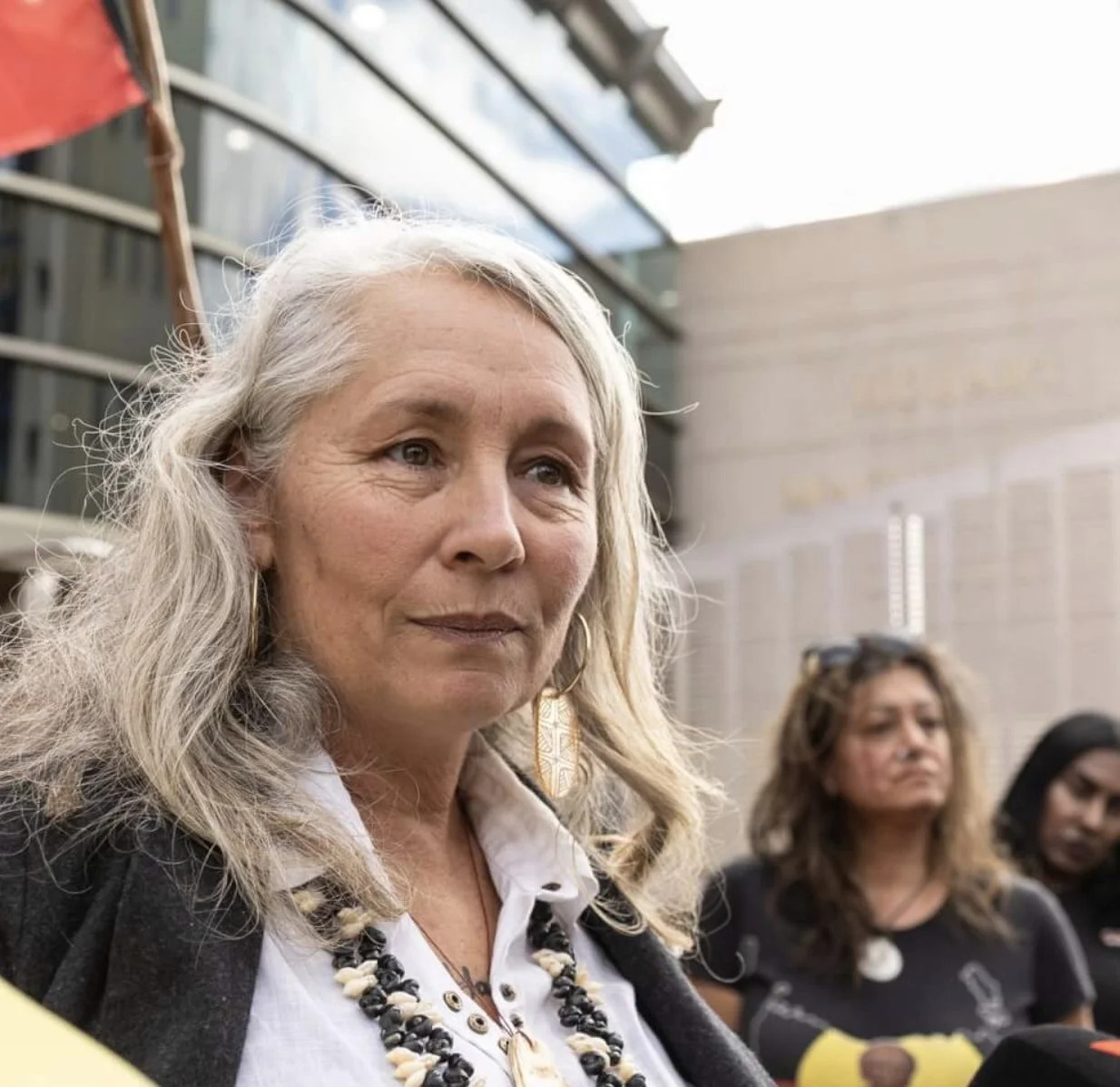
"With cultural heritage laws and the forestry agreements currently being reviewed, this decision affirms that Governments must recognise First Nations knowledge and authority," Ms Langford said.
"It is clear that Forestry Tasmania does not have the credibility to protect Cultural Heritage and landscapes. Their failure to uphold their own laws compelled me to act to protect my Law.
"Recognising that there is a preexisting Law in Country enables all people living in Lutruwita to feel positive that together we can find a way to protect the very things that sustain life for all."
Earlier in the trial Ms Langford applied for evidence in her trespass case to be heard on Aboriginal-owned land, a request denied by Chief Magistrate Geason earlier this year.
Environmental Justice Australia said Ms Langford's case has drawn attention to the need for stronger recognition of First Nations Law and cultural authority in decisions affecting Tasmania's forests, waterways and whole of cultural landscapes.
The determination comes as the Tasmanian and Federal governments negotiating new assessment pathways for native forest logging which will apply after the end of the Regional Forest Agreement (RFA) exemption on 1 July 2027, as well as a review of the Tasmanian Aboriginal Cultural Heritage Act.
The matter was adjourned until December 18 for sentencing submissions.
With AAP



