


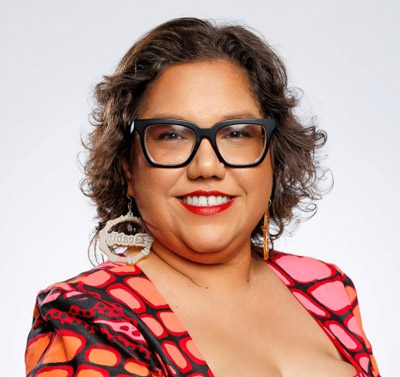

Māori businesswoman Blanche Morrogh is proving that Indigenous economic success does not have to come at the expense of ownership, cultural identity or connection to Country. Through her family's growing mānuka honey enterprise, she is demonstrating how Indigenous businesses can compete internationally while keeping wealth, opportunities and decision-making firmly within their communities.
Speaking at Te Aurere - Kura Ngāpuhi Economic Leadership Symposium, The Rising Current of Ngāpuhi, in Aotearoa, Ms Morrogh shared her family's journey of building Kai Ora Honey into an internationally connected Māori enterprise operating approximately 2,000 hives across Te Tai Tokerau, with products reaching five international markets across three continents.
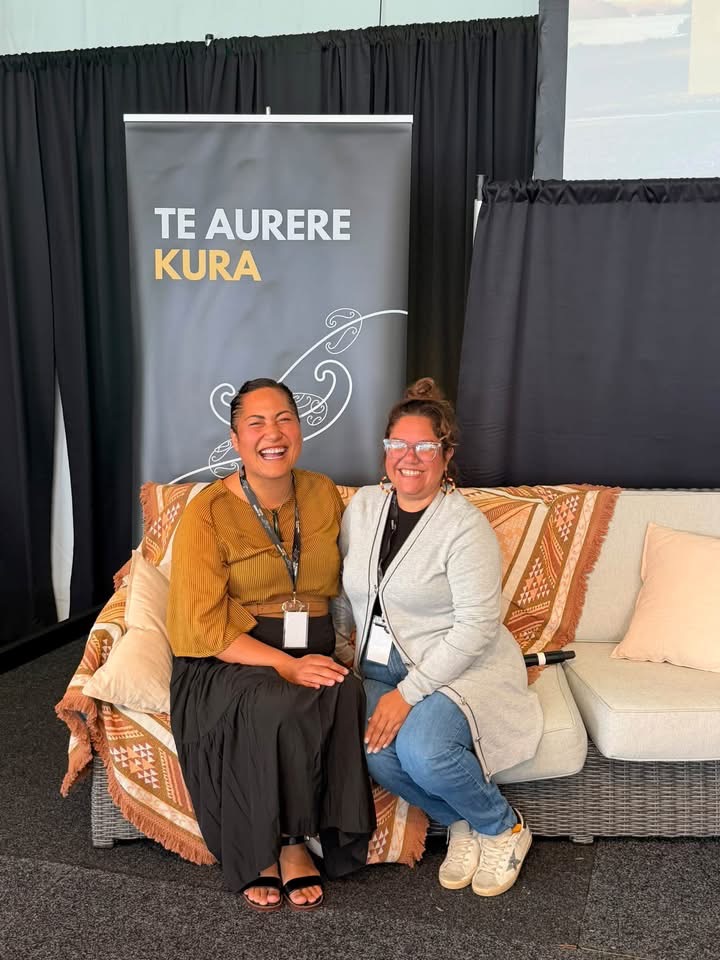
From Ahipara, in the Far North of Aotearoa, the business remains deeply connected to the community that helped shape it, with Ms Morrogh explaining that "everything we work from Ahipara, we earn from Ahipara, we give back to Ahipara," reflecting a commitment to ensuring commercial success creates opportunities for local whānau.
That connection extends across three generations of knowledge, encompassing far more than beekeeping. For Blanche, the family's expertise is grounded in whakapapa, their people, forests and the whenua they have the privilege of living and earning from. It is knowledge inherited through generations, carrying cultural responsibilities that cannot be measured through commercial success alone.
Like many Indigenous entrepreneurs, Ms Morrogh and her whānau built their business while maintaining paid employment, navigating financial pressures and making considerable personal sacrifices. She was open about those early challenges, reminding the audience that "we were still working full-time jobs while building our dreams," and acknowledging the difficult decisions that came with pursuing economic independence without the security of established wealth.
Their determination to continue eventually transformed honey production into a growing portfolio of Māori-owned products, driven by a refusal to remain at the beginning of a supply chain where others captured much of the commercial value.
Ms Morrogh recalled how the family questioned why they should continue "just making the honey and putting it in the drum and losing all its value," when they had the knowledge and capability to develop products and build a stronger business themselves.
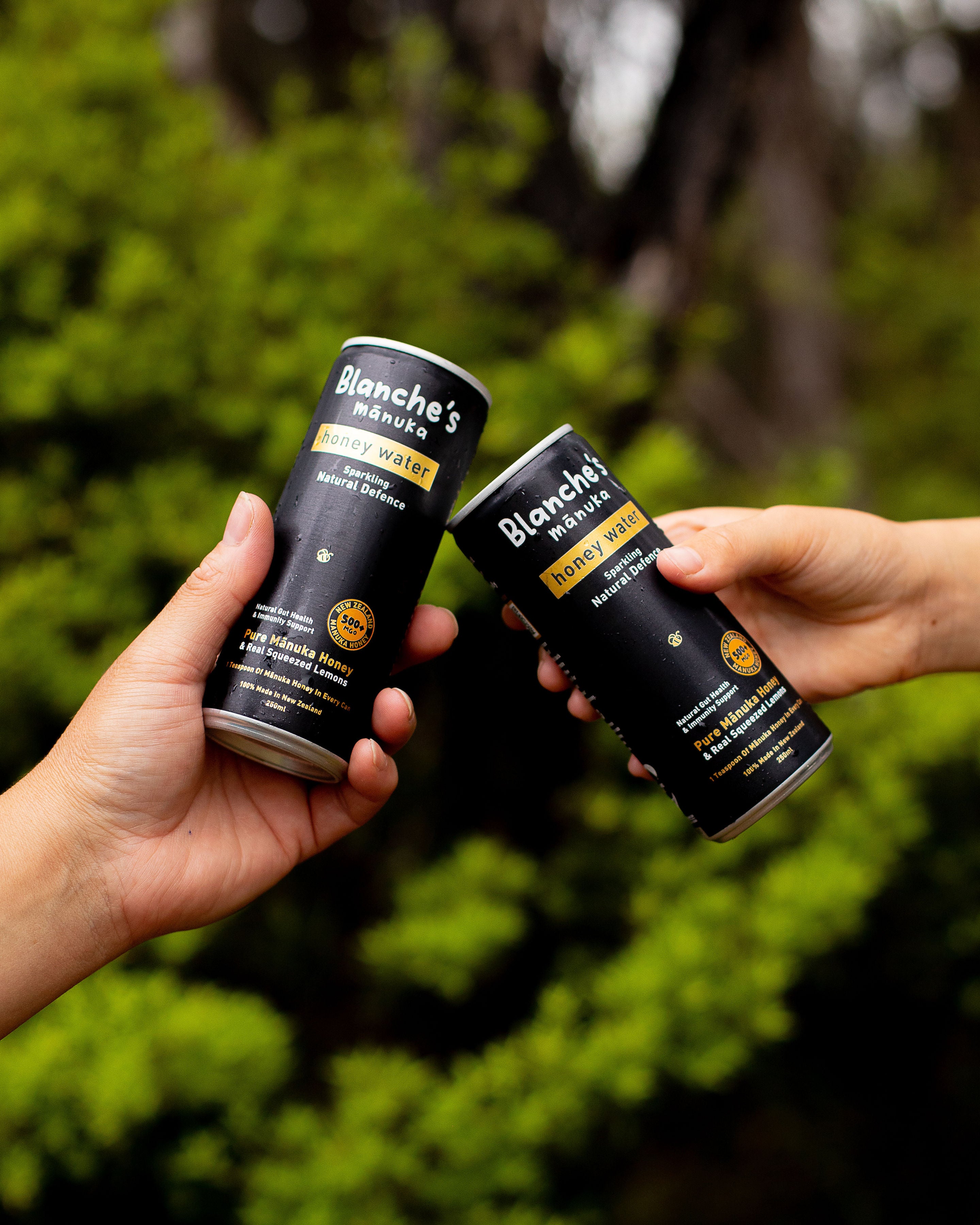
Through brands including Blanche's Manuka, hāna skincare and Murray's Mānuka Balm, Kai Ora has expanded into product development, branding and international distribution, retaining greater value from the natural resources of their whenua.
Her presentation, Beyond the Bulk Drum, challenged an economic reality familiar to Indigenous communities across the world, where resources from our lands generate significant wealth while Traditional Owners receive only a fraction of the returns.
Yet Ms Morrogh was equally clear that producing world-class products does not guarantee access to international markets. Complex compliance requirements, labelling obligations, additional costs and middlemen standing between producers and consumers continue to create barriers, particularly for Indigenous businesses operating from regional communities.
Despite these challenges, Kai Ora continues to grow while protecting Māori ownership. The business has restructured its leadership, appointing a new CEO while Ms Morrogh transitions into the Chair role, supporting international expansion without surrendering the family's authority over its future.
Her commitment to maintaining that independence was captured in a simple but powerful statement about how the family intends to grow, explaining that "we grow without giving anything away other than the honey we produce and the products we manufacture."
For Aboriginal businesses in Australia, that message carries considerable weight. Access to investment, procurement opportunities and commercial partnerships can sometimes come with pressure to compromise ownership, control or the very cultural responsibilities that make Indigenous enterprises distinctive.
Ms Morrogh's approach challenges the expectation that our people must surrender something to participate in the broader economy. It also questions why Indigenous entrepreneurs should wait for someone else to recognise their potential.
Reflecting on the family's journey, she acknowledged that "we've built what we have without waiting for permission," describing it as a difficult lesson after growing up with the expectation that opportunities would come through being invited or allowed to participate.
Those words resonated with me because too often our people are expected to wait for recognition or a seat at someone else's table before pursuing opportunities connected to our own resources.
Her encouragement to other Indigenous entrepreneurs was grounded in practical action, with Blanche explaining that "for me it's not about surviving, it's always about thriving off the back of practical steps."
That distinction matters because Indigenous economic development should be about creating lasting opportunities, building capability and ensuring future generations inherit more than the struggle to survive.
For Blanche, the responsibility is deeply personal. Her commitment to building intergenerational wealth reflects a belief that when businesses are developed from whenua, their benefits should remain with whānau, communities and the wider region.
She also wants her children to witness what their parents are building, understanding from an early age that Indigenous people can be business owners, innovators, employers and decision-makers.
Hearing Ms Morrogh speak reinforced how much Māori and Aboriginal people can learn from one another, particularly when it comes to building successful enterprises without compromising cultural authority. Her journey demonstrates the importance of Indigenous women leading commercial opportunities and shaping economic futures on their own terms.
For me, genuine economic self-determination means having the authority to decide how our resources are developed, who benefits and what opportunities are passed to future generations.
The honey might be what Kai Ora sells, but its greatest legacy is the ownership, knowledge and economic independence being passed down. Because the greatest measure of Indigenous business success should never be how much wealth leaves our Country, but how much opportunity remains for our people.
Explore Kai Ora Honey and Blanche's Manuka.



