


ḺUNDU started almost by accident.
I never intended to start another organisation. In my mind, the work we were doing with Yolŋu creatives was always going to sit within LIANDRA, my fashion brand.
But somewhere along the way, it became clear that what we were building was much bigger than a fashion label.
When I started LIANDRA in 2018, I knew I wanted it to be about more than making beautiful clothes. I wanted to build a business that reflected who I was, where I came from and the things that mattered to me.
As a Yolŋu woman who grew up between two very diverse worlds, I've experienced firsthand how different people's access to opportunities can be, depending on where they grow up.
That's something I've carried with me throughout my life and into my professional career.
I have been fortunate to work across different industries, meet extraordinary people and build relationships that have opened doors I probably never imagined walking through when I was younger.
Naturally, I wanted to share that.
So, as LIANDRA grew, I started finding ways to bring other First Nations creatives into the work. Sometimes it was through photoshoots, other times through fashion events, creative collaborations or simply introducing someone to a person I thought they should know.
There wasn't some grand strategy behind it all in the beginning. It was simply something I felt was important and something I knew I was in a position to do.
But over time, those individual opportunities started to add up.
I began working more intentionally with emerging Yolŋu creatives, creating paid opportunities, connecting people with industry professionals and finding ways for them to gain experience in spaces that aren't always easy to access from remote communities.
The more we did, the more I began to question why these opportunities were so difficult to come by in the first place.
Because the talent has always been there.
Anyone who has spent time in our remote communities knows the extraordinary creativity, knowledge and capability that exists. What isn't always there are the networks, resources and pathways that allow people to turn those skills into careers.
When you live somewhere like Milingimbi, opportunities that might seem relatively straightforward to someone living in Sydney or Melbourne can be incredibly difficult to access.
Something as simple as attending an industry event, gaining work experience or meeting a potential mentor can involve four days of return flights and accommodation at significant costs and a whole lot of coordination.
And that's before you even begin to think about how someone gets their foot in the door.
One of the things I've learnt through this work is just how powerful a single opportunity can be.
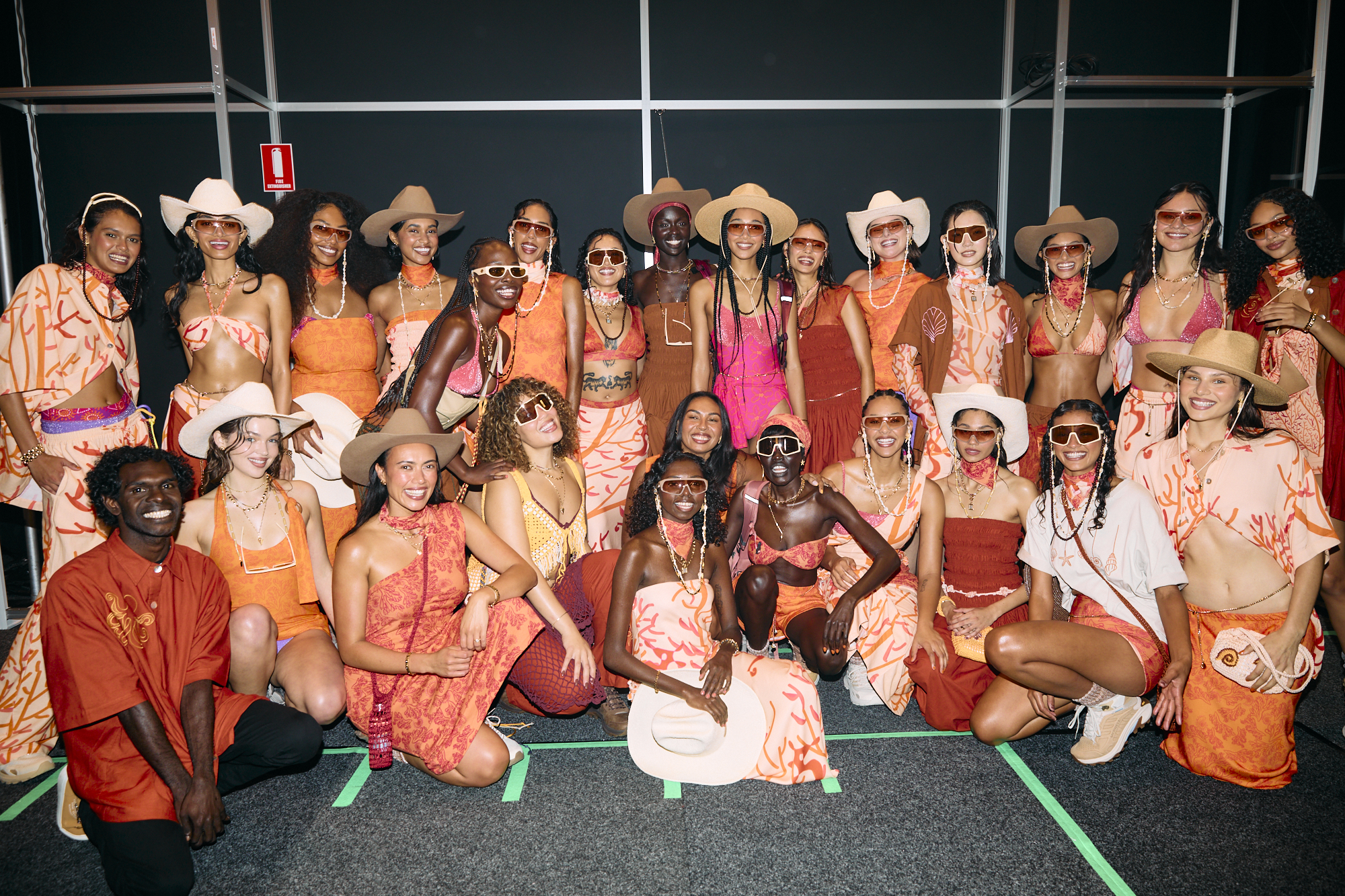
In 2025, we supported emerging creative Jack Minmidhi to attend Australian Fashion Week in Sydney. Jack had the opportunity to experience Australia's largest international fashion event firsthand, work behind the scenes and connect with people across the industry.
For me, the value of an experience like that goes well beyond the event itself.
It's about the people you meet, the confidence you build, the things you learn and the possibilities you might not have considered before.
But it's also made me think about what happens next.
I've never wanted this work to be about bringing someone into a "project" for a day, celebrating the moment and then moving on.
I want to see people build relationships that last. I want opportunities to lead to other opportunities. I want emerging creatives to have the confidence, experience and connections to pursue whatever direction they choose.
After several years, I began to realise that LIANDRA could only take this work so far.
Not because the commitment wasn't there, but because the opportunities we were creating extended well beyond fashion. There were possibilities across photography, media, styling, design and so many other creative industries.
And I didn't want those possibilities to be limited by the size, resources or direction of my own business.
That's really where ḺUNDU came from.
It wasn't about starting something new for the sake of it. It was about giving something that had already been growing for years the space and independence to become what it needed to be.
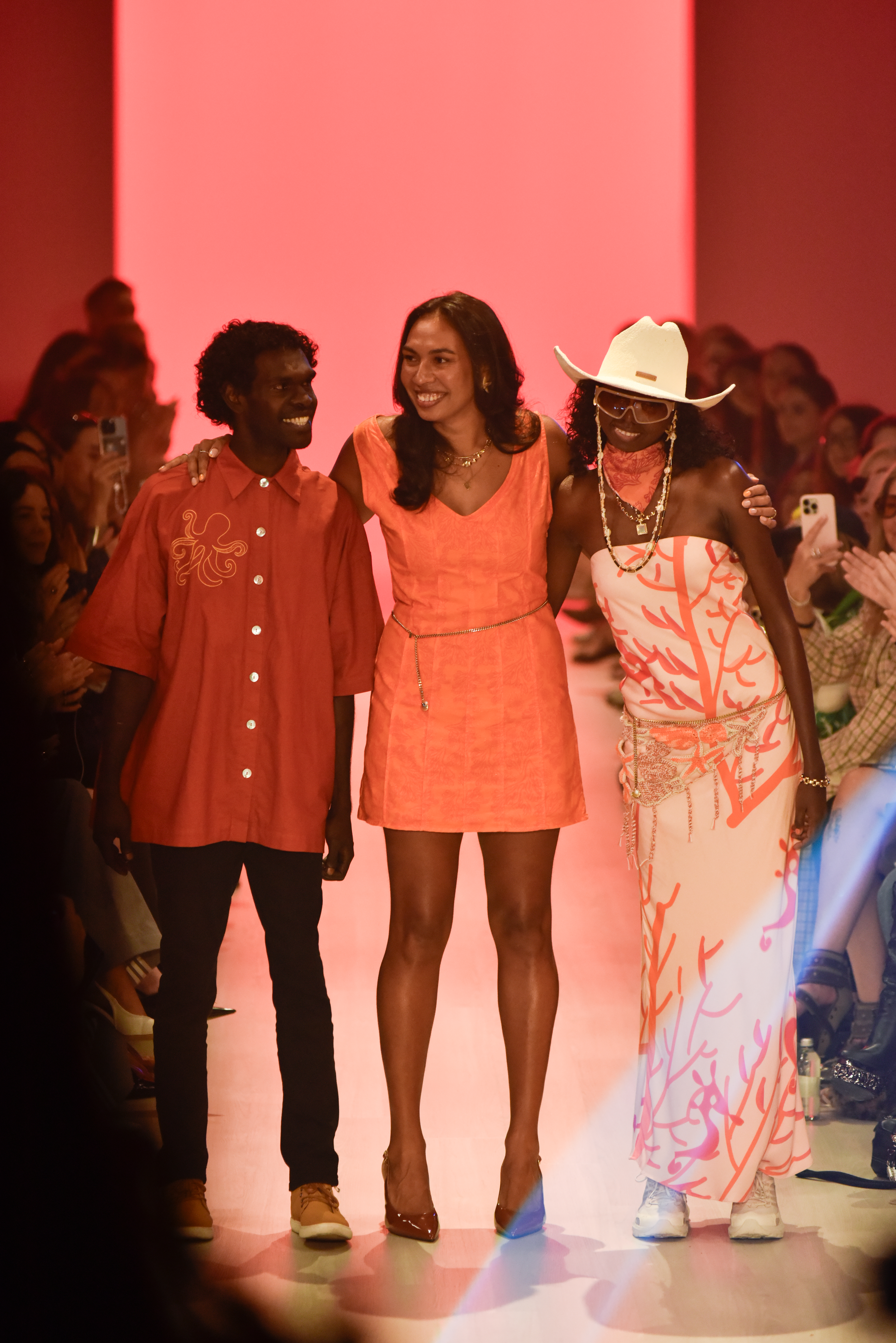
Today, ḺUNDU is about creating meaningful work, professional development and connections for Yolŋu creatives, while building genuine relationships with industries that have so much to gain from working alongside them.
I also think it's important that we move away from the idea that opportunity only flows in one direction.
Our communities have extraordinary knowledge, creativity and perspectives to contribute. This work isn't about bringing people from remote communities into an industry and expecting them to fit into an existing mold. It's about creating space for different ways of working, learning from one another and recognising the value that everyone brings.
And importantly, I don't believe people should have to leave their communities behind to pursue their ambitions.
We should be thinking much more creatively about how people can build careers, contribute to industries and access opportunities while maintaining strong connections to Country, culture and community.
When I look back now, I can see how the work has evolved over the past 5 years - one relationship, one project and one opportunity at a time.
I didn't set out to create ḺUNDU, but I have always intended on creating opportunities for people from my community. I'm incredibly proud of what it has become and even more excited about what it can make possible as we look ahead.
The talent has always been there.
Perhaps the real challenge isn't finding it, but changing the way our industries connect, collaborate and create opportunities beyond the places and people they already know.



