


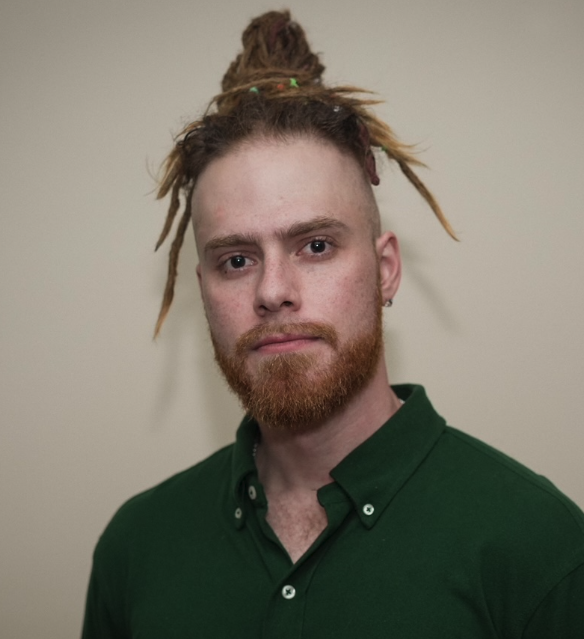

A group of 12 Indigenous students are celebrating a huge milestone on the path to becoming a doctor after successfully completing the 2023 Indigenous Entry Stream (IES) at Flinders University.
Five students in Northern Territory and seven in South Australia have completed the program which provides Indigenous people with an alternative route to pursue a Doctor of Medicine (MD) degree.
Now in its 11th year, Flinders University offers this program to potential students wishing to study medicine who do not have a valid GAMSAT score.
Arrernte woman and Program Director, Aboriginal and Torres Strait Islander Pathways in Medicine, College of Medicine and Public Health, Kath Martin is pleased to report that the IES has just seen their biggest intake since the programs inception.
"This is the biggest intake we've had (12). Previously we've got about 5 or 6 in total," she said.
"The IES is about preparing them for what's required of them when they come into the medial program where they get a taste of what they'll be studying like Anatomy and science."
Indigenous Entry Stream participants get acquainted with cultural, academic, and social support staff and available programs for potential progression into medicine studies.
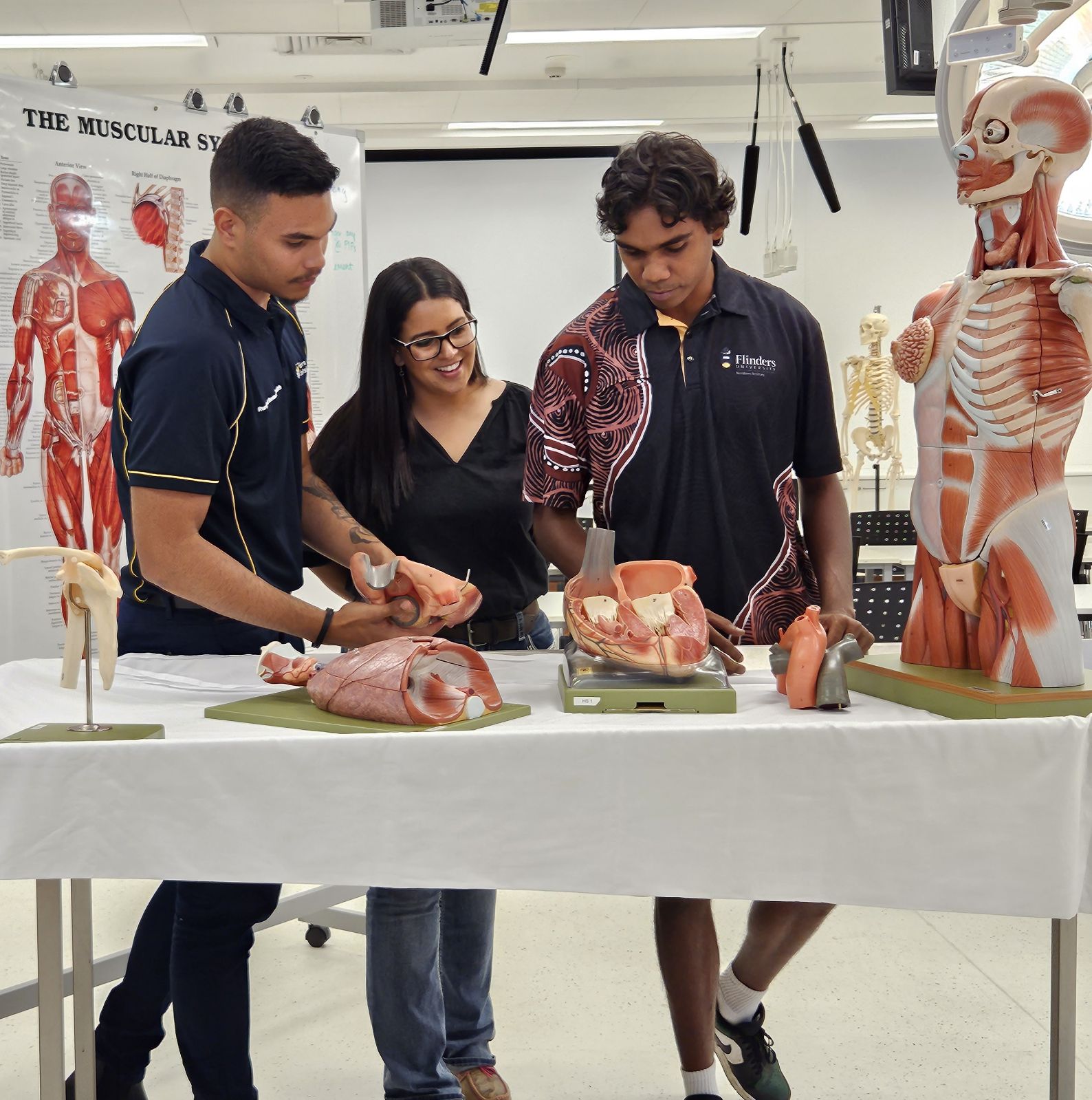
"Once they get accepted into the program there is staff members who will guide them along their journey and provide further assistance with more subjects like maths," Ms Martin added.
"We've found that over the years that the general applicants are Mothers. These are women who have either had their children and decided that now is the time to go off and do something different."
For more than 25 years, Flinders University has provided health education and research expertise in the Northern Territory, maintaining local staff and infrastructure in Darwin, Nhulunbuy, Katherine, Tennant Creek, and Alice Springs.
Rural and Remote Health Dean Professor, Robyn Aitken says the program offers Indigenous students the chance to explore if they want to pursue a career in medicine.
"We are committed to equity and inclusiveness for anyone wishing to pursue a career in medicine and we particularly recognise and value the important contribution that Indigenous knowledge and Indigenous doctors make to the health of the country," Ms Aitken said.
"The Indigenous Entry Stream is an alternative pathway with proven success at attracting Aboriginal and Torres Strait Islander peoples who perhaps wouldn't have considered the possibility of becoming a doctor.
"If we can impact the doctors of the future and train more Aboriginal doctors who relate better to Indigenous patients, that's going to help to close the gap and bring much better outcomes for their community.
Past studies indicate that Indigenous health staff foster stronger connections, rapport, and trust with Indigenous patients, reducing anxiety and improving communication.
Evidence suggests that Indigenous health workers may contribute to enhanced attendance at appointments, acceptance of treatment and assessment recommendations, decreased discharge against medical advice, increased patient contact time, improved referrals, and better follow-up.



