


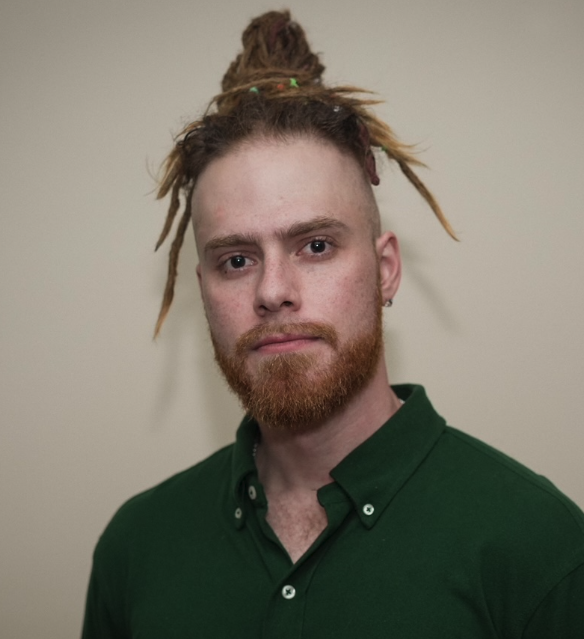

The AIATSIS Summit on the Gold Coast has heard Pacific leaders call for traditional knowledge to be treated as a living system for governance, education, climate response and leadership.
The session, "Cultural adaptation, evolution, and survival: how traditional wisdom strengthens systems of governance, education, and leadership in the Pacific", brought together speakers from Solomon Islands, Bougainville and Papua New Guinea.
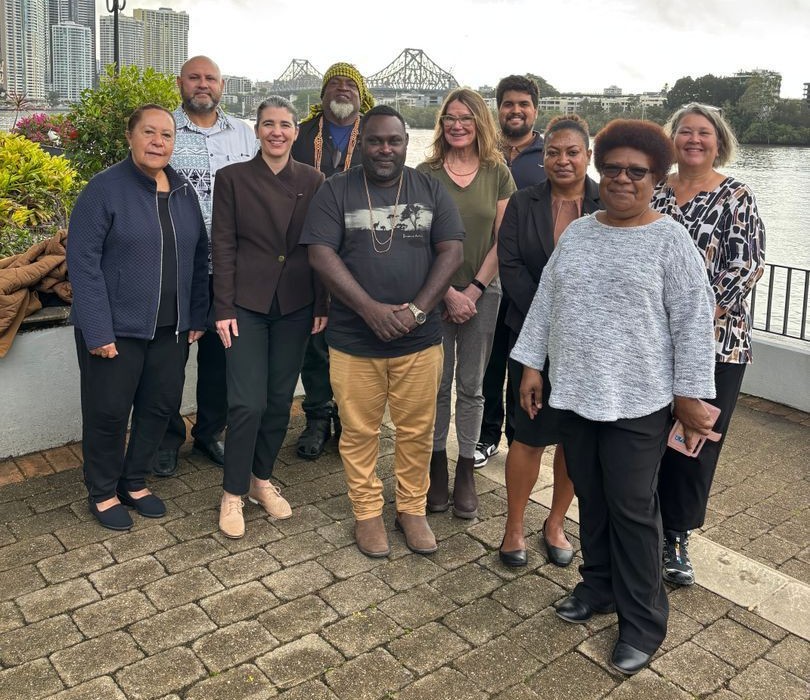
Australia's inaugural Ambassador for First Nations People, Justin Mohamed, led the discussion with Natty Dolaiasi, Hon. Melvin Wilolopa and Dame Meg Taylor DBE.
Mr Mohamed, a Gooreng Gooreng man from Bundaberg, said the Pacific delegation had been an important part of the Summit because of the shared cultural, regional and community links between Indigenous peoples across Australia and the Pacific.
Mr Dolaiasi, a Solomon Islands cultural leader from Malaita and cultural director of Dreamcast Theatre in Honiara, opened the discussion by speaking about music as a way of carrying knowledge between generations.
His contribution centred on music not as performance alone, but as a system of learning tied to land, sea, ancestors and survival.
He said music, dance, story, ritual and daily work had long been connected in Solomon Islands communities.
"Music and culture were not separated from life," Mr Dolaiasi said.
"They were how we learn, remember and stay connected.
"In the community, music is a key way knowledge is passed down between generations."
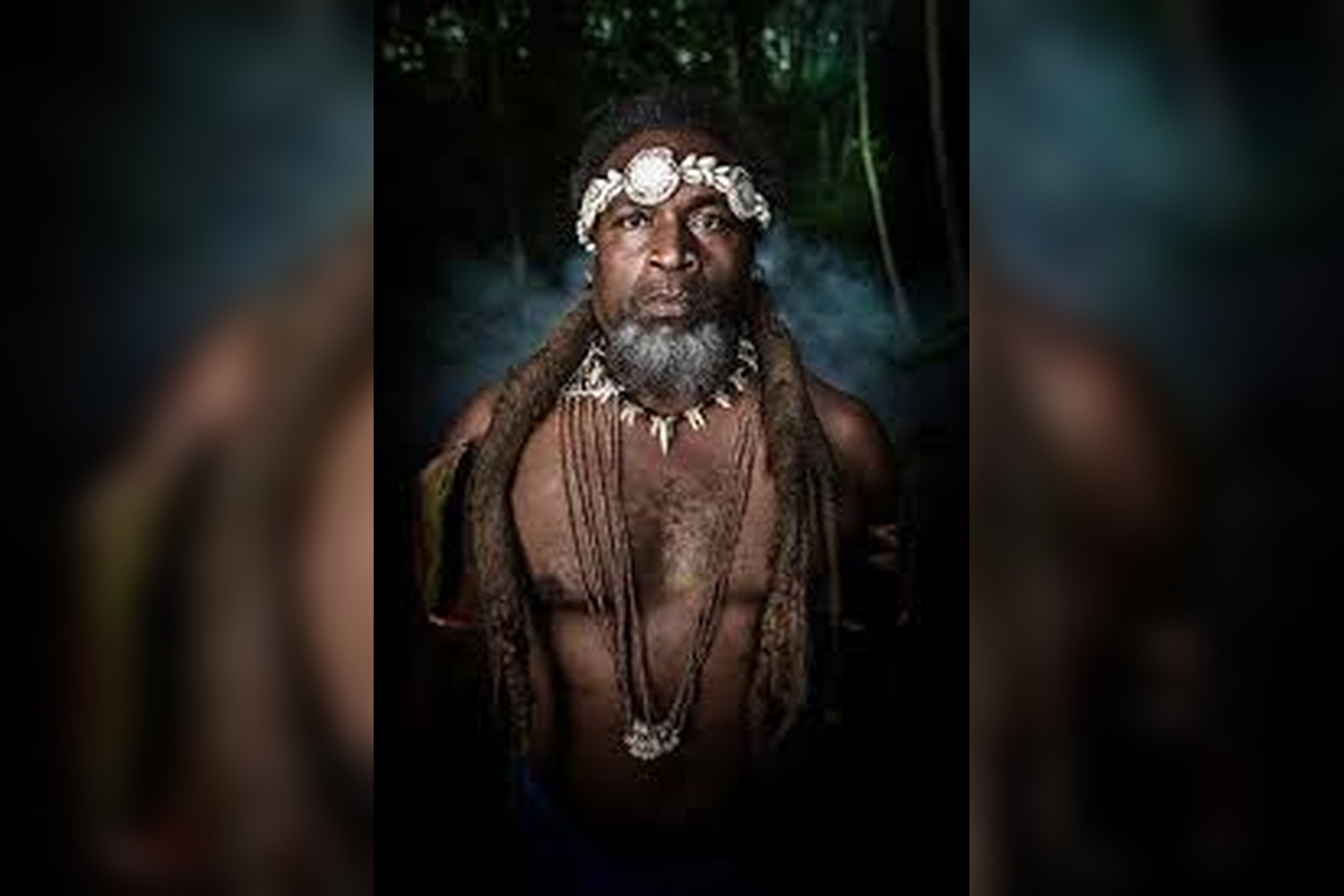
Mr Dolaiasi said songs carried practical knowledge, including family histories, land and sea boundaries, fishing, gardening, plants, medicine, animal behaviour, tides and weather.
"In certain songs or ceremonies, it feels like the past and the present come together," he said.
"Music and culture are teaching systems, a living memory and a connection to nature and spirituality."
Mr Wilolopa, Minister for Public Service and Community Development in the Autonomous Region of Bougainville, spoke about traditional governance, self-determination and the place of women in Bougainville society.
He said Bougainville's governance systems were shaped by clan systems, customary law, consensus, reciprocity and collective responsibility long before modern parliamentary structures.
Bougainville is largely matrilineal meaning women hold a central place in land, culture and community.
He said those values were reflected in modern governance, including reserved seats for women in the Bougainville House of Representatives.
"In Bougainville, the land is our mother," Mr Wilolopa said.
"The land is our everything... the sea provides for our people."
Bougainville voted overwhelmingly for independence from Papua New Guinea in a 2019 referendum, and Mr Wilolopa said community voices were being placed at the centre of nation-building discussions.
Consultations had involved chiefs, elders, women, churches, youth, former combatants and communities.
"Community government bridges modern governance systems and customary leadership structures," Mr Wilolopa said.
"Chiefs, elders, women leaders, elected leaders work together.
"This reflects the Melanesian principle that leadership is collective, not individual."
Mr Wilolopa said traditional knowledge had also played a role in peacebuilding after Bougainville's 10-year conflict.
"Traditional knowledge is not a relic of the past," he said.
"It is a living system that continues to guide governance, leadership, peacebuilding and, in my context, the nation-building in Bougainville."
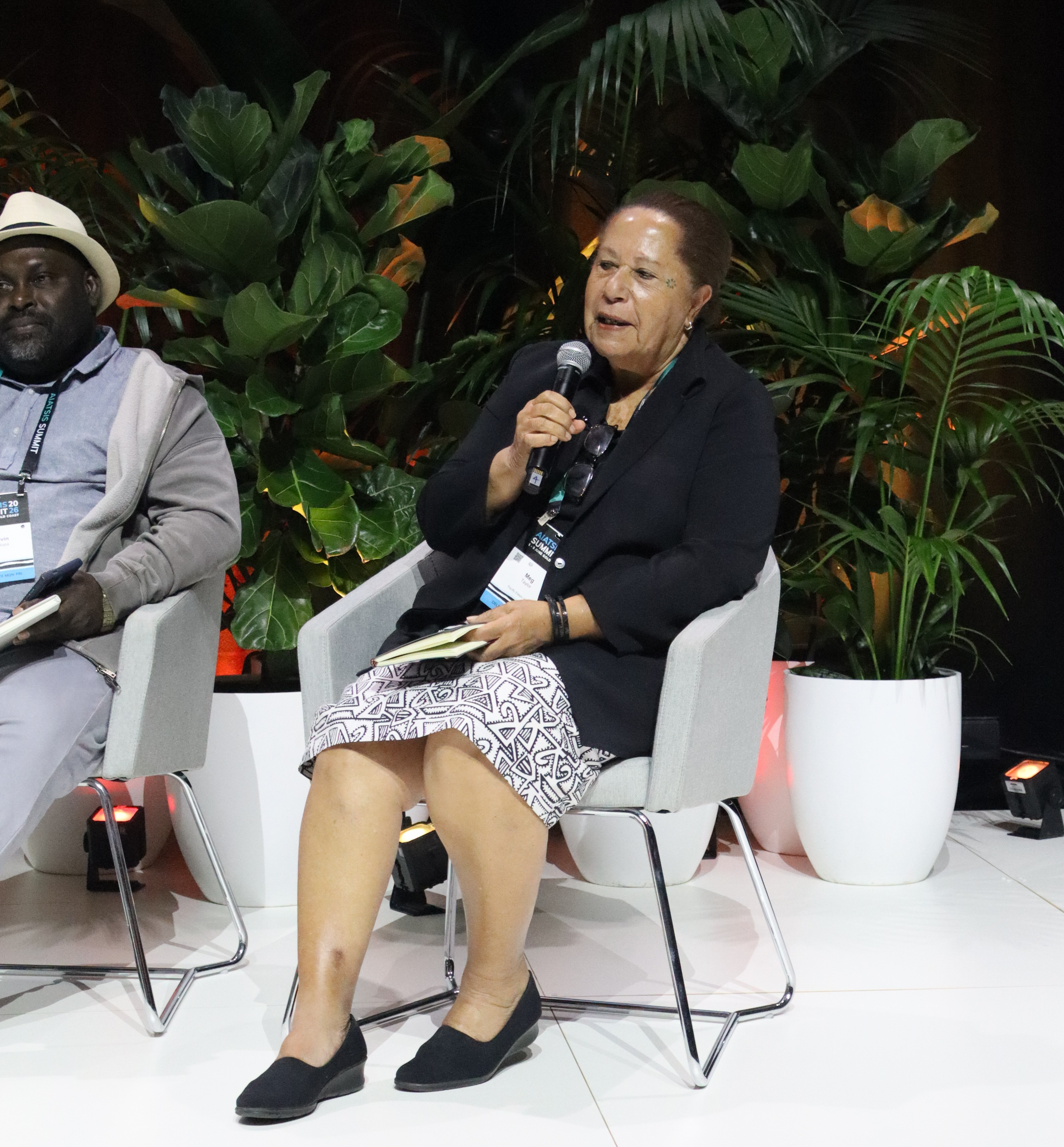
Ms Taylor, from Papua New Guinea, a member of the Pacific Elders Voice and former Secretary General of the Pacific Islands Forum, turned the discussion to climate change, trade and relationships between Indigenous Australia and Pacific peoples.
She said her time travelling through Central Australia and visiting Uluru had created space to think about future relationships between the Pacific and First Nations communities in Australia.
Ms Taylor noted climate change remained the major security threat for Pacific peoples, particularly for island communities facing sea-level rise and warming oceans.
"Climate change, particularly for an ocean continent, is devastating when you have the temperatures of the oceans warming now and our fish stock are actually moving across from Western Pacific across to the east," she said.
"That's going to have a big impact on what happens in terms of the survival of our communities."
She added young people needed access to climate knowledge because they would carry responsibility for future responses.
Ms Taylor also raised the need for stronger trade and investment links between Pacific landowner groups and Indigenous Australian businesses.
Papua New Guinean landowner groups have been looking at business opportunities with Indigenous communities in Queensland, and that investment should be reciprocal, according to Ms Taylor.
The session ended with reflections on the Pacific delegation's visit to Uluru and Alice Springs before arriving at the Summit.
For Mr Dolaiasi, travelling from an ocean country to stand before Uluru was a deep experience he planned to share with his people.
The visit also reinforced for Mr Wilolopa the importance of recording and digitising cultural knowledge so future generations could learn from it.
For Ms Taylor, the experience showed how Country can hold knowledge in ways that are not immediately visible to outsiders.
Mr Mohamed closed the discussion by saying the session had reinforced that traditional knowledge was essential to resilient systems of governance, education and leadership.



