


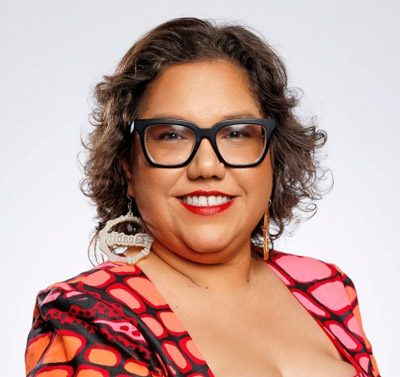

For proud Jawoyn woman Kylie Stothers, creating change in Aboriginal health has never been about titles or recognition. It has always been about making sure the next generation walks through doors that were often closed to those who came before them.
Born and raised in Katherine on the lands of the Jawoyn, Wardaman and Dagoman peoples, she has spent more than 25 years working across the Northern Territory as a social worker and is now Deputy Chief Executive Officer of Indigenous Allied Health Australia (IAHA). Her career has been guided by a simple belief.
"A postcode should not be a barrier."
Those six words have become both a professional philosophy and a personal mission.
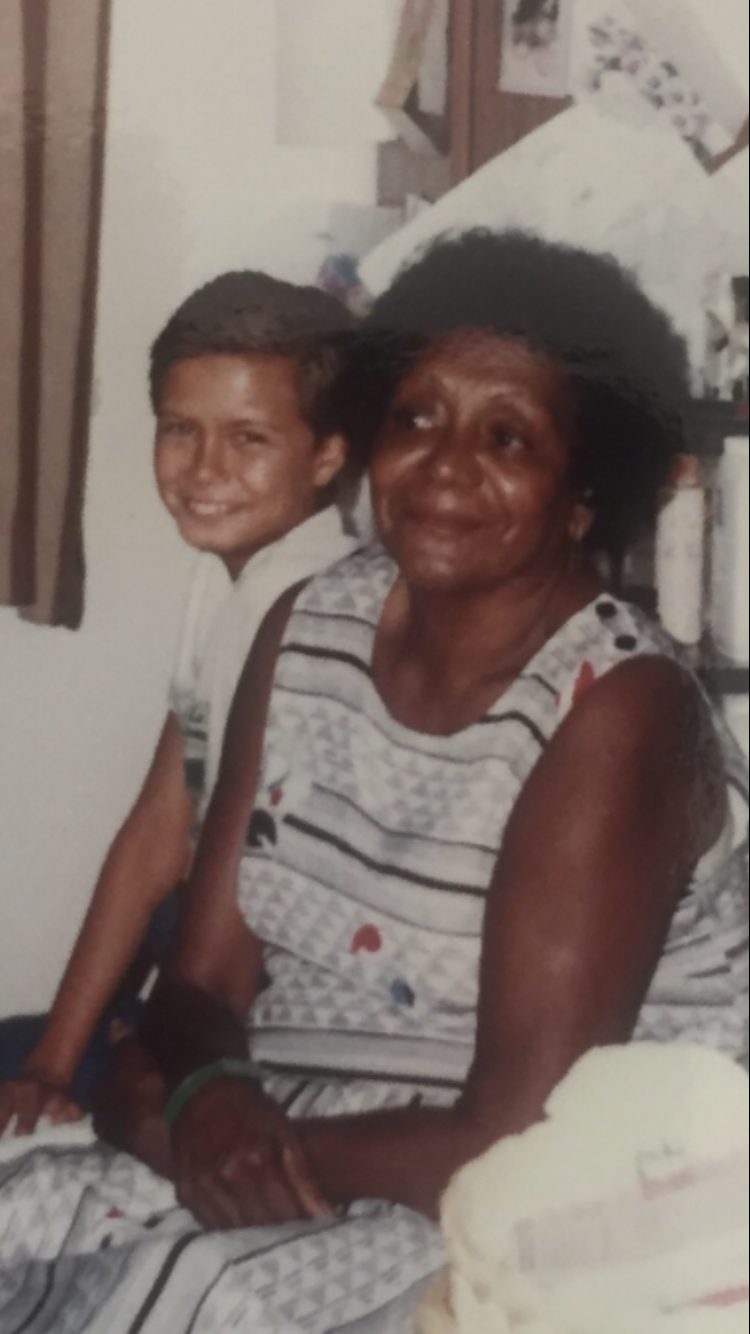
For many Aboriginal families, the failures of Australia's health system are lived experiences rather than statistics.
Ms Stothers still vividly remembers watching her grandmother leave Katherine for what the family believed would be a routine medical procedure in Darwin, only to return home after having her leg amputated above the knee.
She also remembers the day her grandmother's prosthetic leg arrived.
"It was this big, black, heavy, ugly thing," Kylie recalled.
Looking back, she says that experience exposed much more than shortcomings in healthcare. It highlighted the absence of Aboriginal people working in allied health professions and the importance of First Nations people designing, delivering and leading healthcare.
"To this day in Australia we still don't have a practising prosthetics professional who identifies as Aboriginal and Torres Strait Islander," she said.
"Seeing those gaps in the health workforce has stayed with me my whole life."
Those experiences planted the seeds for a career dedicated to social justice.
Growing up in Katherine, Ms Stothers also witnessed the ongoing impacts of the Stolen Generations. Even at school she encountered low expectations when a careers adviser suggested she consider work in cleaning, laundry or kitchens at the local hospital if she wanted a future in health.
While she speaks proudly of the women in her family who worked in those roles, she refused to believe that was where her own story had to end. Instead, she discovered social work, a profession that allowed her to combine advocacy, health and community.
A self-described "freshwater girl", Ms Stothers remains deeply connected to Jawoyn Country.
"The rivers are where I go to relax. That's home for me," she said.
Her career later took her to Mparntwe, where working at Alice Springs Hospital reinforced the importance of cultural humility.
"It was like moving to another country," she said.
"People assume because you're Aboriginal you know everything. I was blessed to have cultural mentors who taught me so much."
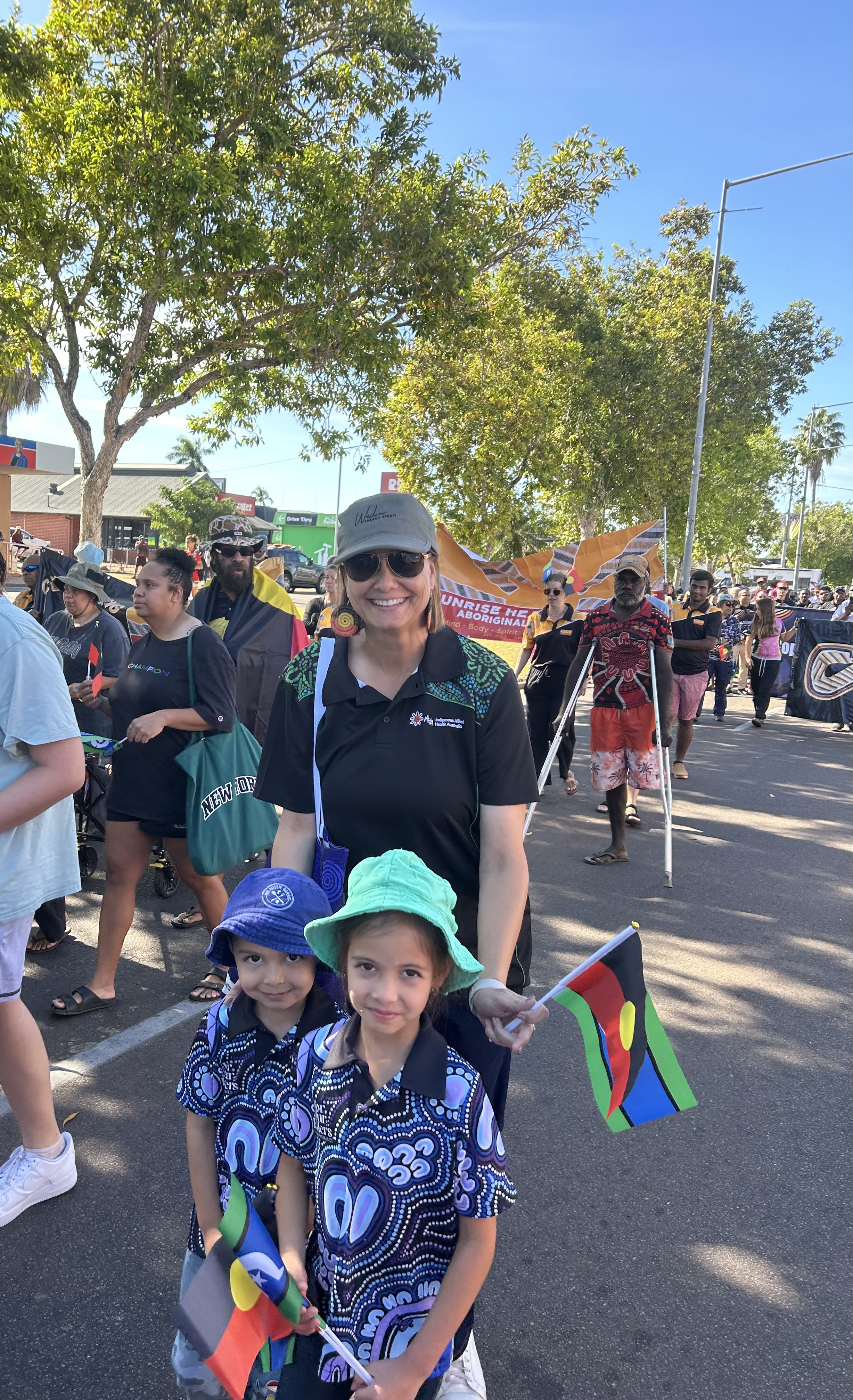
Today, Ms Stothers continues that work through Indigenous Allied Health Australia, which she helped establish to strengthen Aboriginal and Torres Strait Islander representation across allied health.
"My passion was always about creating pathways for the next generation," she said.
"My grandmother, my mother and my aunties always taught me to think about what sort of Ancestor you want to become."
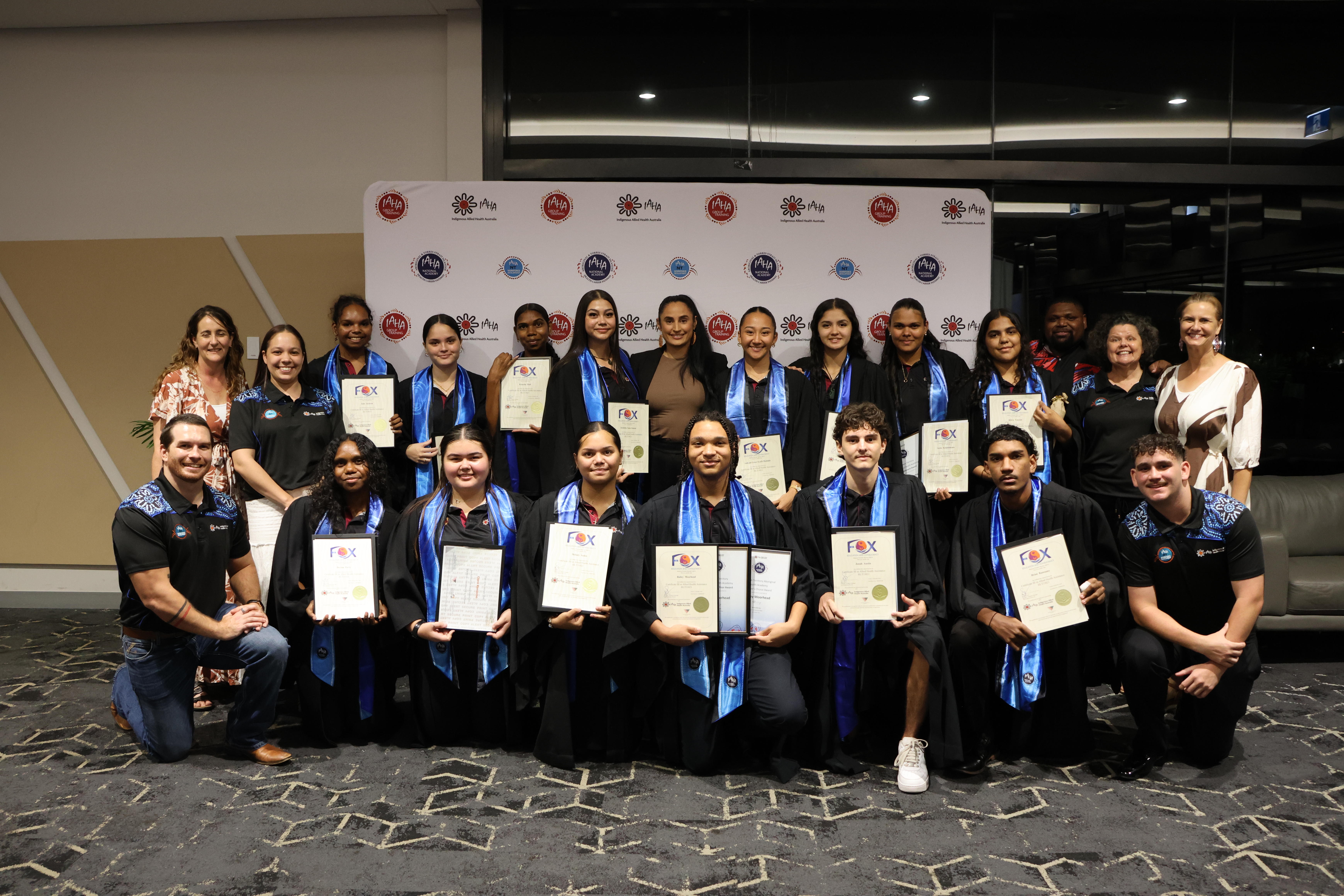
Through IAHA's Health Academy, Aboriginal and Torres Strait Islander students complete Year 12 while gaining allied health qualifications and pathways into further study or employment.
For her, those opportunities are about much more than qualifications.
"They're about making sure young people don't experience the barriers I did," she said.
"I didn't want their postcode to become a barrier."
Earlier this year, she co-authored a Commentary in the Australian Journal of Rural Health exploring Aboriginal and Torres Strait Islander allied health workforce pathways in rural and remote Australia.
"I always think, if I had to stand in front of my family and read this, would they understand it?" she said.
As NAIDOC celebrates 50 Years of Deadly, she says the theme reminds her of the generations who created opportunities despite enormous barriers.
She often thinks about her grandmother, Daisy Angus, whose resilience continues to guide her.
"Even when I doubt myself, I know my grandmother's there saying, 'Get up there, girl,'" she said.
She hopes the work she is doing today will not be measured by the positions she has held, but by the opportunities available to those who follow.
"Fifty Years of Deadly reminds me that I only get to be Deadly because others created space for me," she said.
"My job is to create that space for others."
From a young girl questioning why Aboriginal people were missing from parts of the health system to helping shape the nation's allied health workforce, Ms Stothers has remained driven by one belief: no young Aboriginal person should have their future determined by where they live.



