




The overwhelming majority of submissions to a Northern Territory parliamentary inquiry into proposed child protection reforms have urged the government to reconsider changes critics say will "ultimately place more children at risk".
Following the tragic death of five-year-old Kumanjayi Little Baby in April, the NT Government has focused its response on child protection, introducing new legislation and commissioning a review into the department's handling of her case in the lead up to her death.
As part of a policy shift which has been canvassed for more than a year, the CLP Government announced amendments to the Care and Protection of Children Act, arguing a new "Universal Principle" will "for the first time" establish child safety "as the primary consideration, placing the best interests of every child first, regardless of background".
The proposed reforms would alter the Aboriginal and Torres Strait Islander Child Placement Principle (ATSICPP), which is designed to ensure children removed from their families maintain connections to family, community and culture.
Child Protection Minister Robyn Cahill has rejected criticism of the legislation, arguing it retains "principles that will relate specifically to Aboriginal children".
View this post on Instagram
Setting up to fail
The parliamentary inquiry received 150 submissions, the vast majority opposing the bill. Many human rights, Aboriginal and legal organisations have called for broader consultation on what they describe as a broken child protection system.
Northern Territory Children's Commissioner, Shaleena Musk, said reform was necessary, but warned rushed legislation without proper consultation "risks setting the system up to fail even further".
"I am extremely concerned by the lack of transparency and expedited process that is being undertaken to significant reform that will have serious and deleterious long-term effects," she submitted.
"At no stage prior to the Bill being tabled did the Minister, or Government seek to engage, consult with, or obtain advice from myself, Aboriginal leaders or any other key stakeholders who have decades of expertise on the issues at hand."
.jpg)
Won't make children safer
Data shows only 17 per cent of Indigenous children aged 0-17 in out-of-home care in the Northern Territory were placed with an Aboriginal and Torres Strait Islander relative or kin — the lowest rate in Australia.
Despite the government's stated intentions, SNAICC - National Voice for our Children chief executive, Catherine Liddle, said the proposed legislation would "exacerbate existing weaknesses in the system and ultimately place more children at risk".
She claimed public debate surrounding the legislation had promoted harmful misconceptions about the ATSICPP, arguing suggestions that it places culture ahead of child safety are "simply wrong".
"The Principle is a child safety framework which recognises that an Aboriginal child's safety and wellbeing are strengthened through connection to family, kinship systems, community, culture and Country," Ms Liddle said.
Ms Liddle said SNAICC supported comprehensive reform of the child protection system, but argued neither the proposed legislation nor the recently announced review — to be conducted by two non-Indigenous public servants, including a former police commissioner — would achieve that goal.
"The only way to get this right is to work in genuine partnership with Aboriginal families, communities and organisations. If governments are serious about child safety, they must listen to the people who know what children need to thrive," she said.
%202%20(1).jpeg)
No Aboriginal voices lead to failure
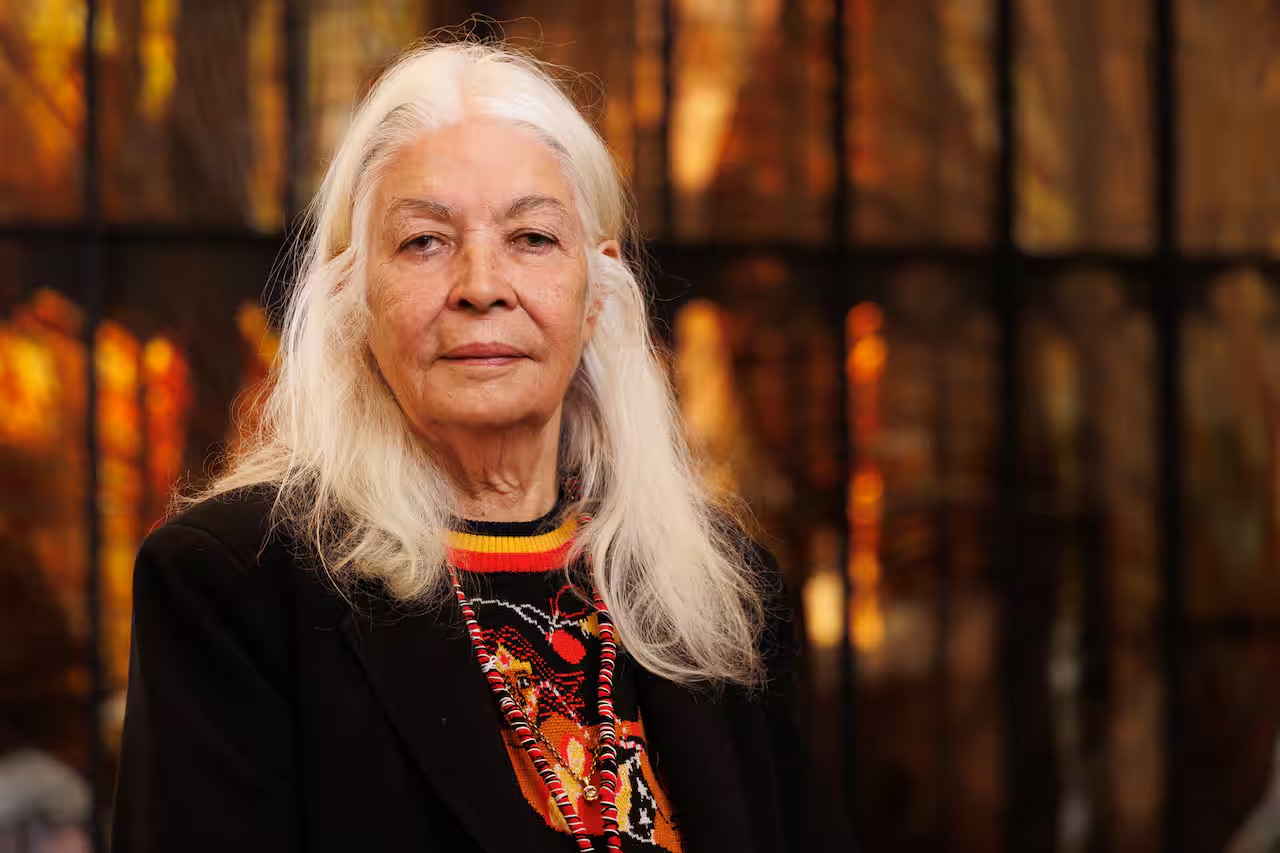
In their submission, Professor Fiona Stanley AC and Professor Marcia Langton AO argued decades of evidence point to one clear conclusion: "Child protection responses developed and administered without Aboriginal leadership and participation consistently fail."
They warned that excluding Aboriginal voices — including Aboriginal Peak Organisations Northern Territory (APO NT) and SNAICC — from the reform process "risks producing recommendations that Aboriginal communities will, with good reason, refuse to trust".
"The evidence demonstrates that responses centred on crisis intervention, administrative control and child removal do not reduce harm — instead, they contribute to its reproduction across generations," they wrote.
"Meaningful reform requires structural change rather than incremental adjustment, including the legislated redistribution of authority, resources and information to Aboriginal community-controlled organisations, supported by enforceable accountability mechanisms."
Critics are wrong
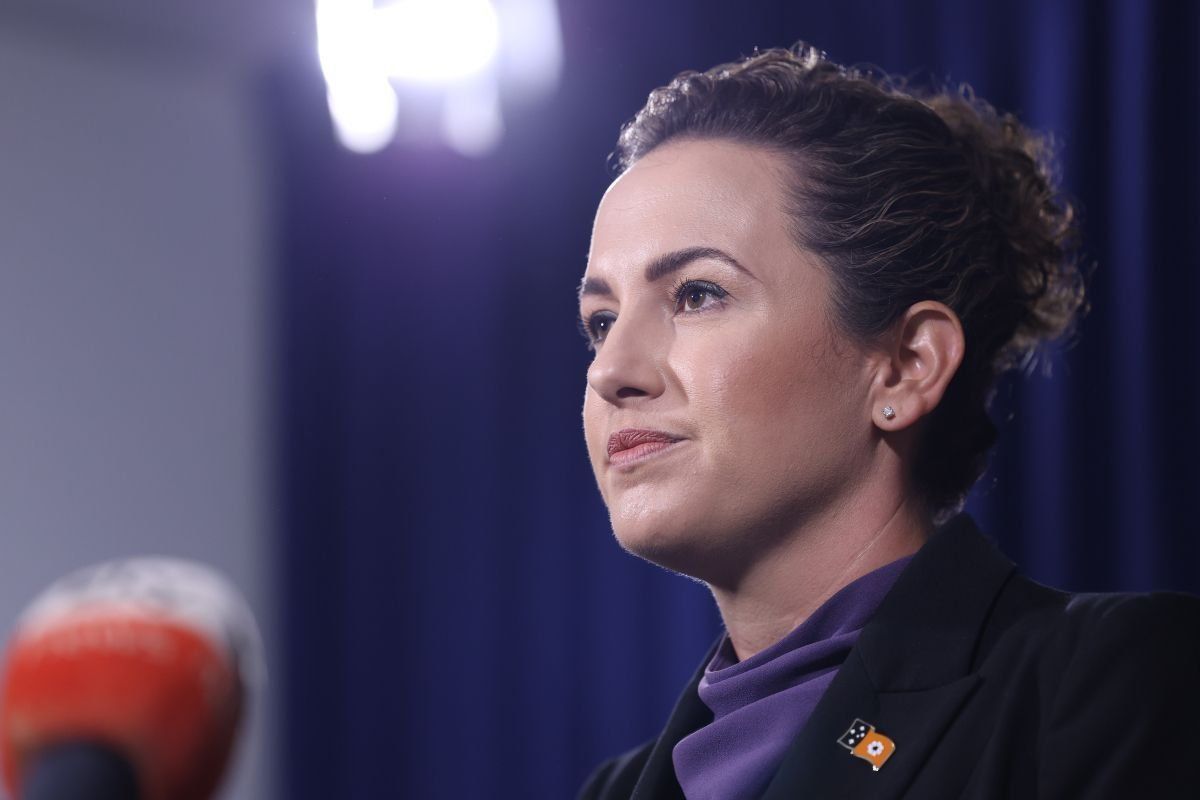
This week, in a rare press conference, Chief Minister Lia Finocchiaro defended the legislation and criticised its opponents.
"We are unapologetic in our approach," she said.
"I cannot understand how anyone can argue with making the safety of a child the number one priority, and to those people who think that that's what the old act did, they're just absolutely wrong."
The current legislation states its primary objective is to "promote the wellbeing of children, including: to protect children from harm and exploitation..." and further provides that: "When a decision involving a child is made, the best interests of the child are the paramount concern."
Bill favours punitive action
In its submission, the Central Land Council argued the current system is failing children and families because it "favours punitive measures against families and removal of children over care and support".
The organisation said reform is needed, but argued it must "prioritise a shift in the system's culture and practices away from removal pathways and towards improving the material and spiritual wellbeing of Aboriginal people".
A number of organisations submitted that the bill would worsen outcomes for Aboriginal families by making it easier for the department to "remove children from their families, and harder for them to be reunited".
"These reforms also contravene the NT Government's commitments under the National Agreement on Closing the Gap, including the need to consult Aboriginal people and organisations about policies and laws that affect them," the Central Land Council submitted.



