




The Northern Territory government has disregarded expert advice and will significantly alter a principle designed to ensure Aboriginal children removed from their families remain connected to culture.
In a policy change canvassed for more than a year, the Care and Protection of Children Act will be amended, with the government claiming a new Universal Principle will "for the first time" list the safety of the child "as the primary consideration, placing the best interests of every child first, regardless of background".
The key changes affect the Aboriginal and Torres Strait Islander Child Placement Principle (ATSICPP), which is designed to ensure children removed by the government retain connections to family, community and culture.
In a statement, Child Protection Minister Robyn Cahill said the amendments would provide more "consistent support and better outcomes for both children and their families".
"Every child matters regardless of where they come from, their race or religion, I am not prepared to turn a blind eye and abandon another generation of families and children," she said.
'Misunderstanding' of the legislation
The act, in its current form, does not disregard the rights of children based on race. Rather, the legislation states its primary objective is to "promote the wellbeing of children, including: to protect children from harm and exploitation..."
It further notes: "When a decision involving a child is made, the best interests of the child are the paramount concern."
Legal and child welfare experts have repeatedly argued the minister has misrepresented — deliberately or otherwise — the legislation.
Last week, a coalition of eight legal and family violence prevention services issued a statement criticising Ms Cahill for comments they said "again demonstrate a fundamental misunderstanding of the legislation she administers".
"Earlier public commentary by the Minister repeatedly suggested that the ATSICPP somehow competes with the safety and well-being of children," they said. "That proposition is legally incorrect...The Act already makes the best interests of the child the paramount consideration in every child protection decision."
Changes fast-tracked
View this post on Instagram
The reforms have been accelerated following the death of five-year-old Kumanjayi Little Baby last month, despite calls from the family to not politicise her death.
47-year-old Jefferson Lewis — who is not related to Kumanjayi Little Baby and had no role in her care — has been charged with her alleged murder, along with two other offences. Earlier this month, Ms Cahill said three child protection workers had been stood down over circumstances leading up to her abduction and death.
It has also been reported that six notifications regarding Kumanjayi Little Baby's welfare were made to the NT child protection department in the six weeks before her disappearance.
On Wednesday, Ms Cahill said: "Where it is safe to do so we want children with their families, but where it is not, we will act decisively to give children the permanency, stability and care they deserve."
Despite this, data shows only 17 per cent of Indigenous children aged 0-17 in out-of-home care in the NT were placed with an Aboriginal and Torres Strait Islander relative or kin — the lowest rate in the country.
Aboriginal Medical Services Alliance Northern Territory chair Rob McPhee said the death of Kumanjayi Little Baby was a tragedy and "an incredibly distressing time for communities". However, he argued, "no child's death should be politicised to weaken protections for Aboriginal children or reduce their rights".
"The Aboriginal Child Placement Principle exists because history has shown the devastating harm caused when Aboriginal children are disconnected from family, culture and community," Mr McPhee said.
"These protections are not symbolic — they are a recognition that connection to kin, culture and Country is fundamental to a child's wellbeing and identity."
.jpg)
Expert advice ignored
Speaking on ABC Radio in response to Ms Cahill's comments, federal Minister for Indigenous Australians Malarndirri McCarthy said the remarks implied that "Aboriginal and Torres Strait Islander people don't know how to look after their children".
"That is not the case," she said, "and I would urge the Minister to ensure she is speaking with them".
In a statement on Wednesday morning, more than 330 organisations from across the Northern Territory called for the proposed legislation to be abandoned, arguing it promotes a narrative that is "dangerous, ignorant, and wrong".
"We strongly reject the NT Government's deliberate portrayal of Aboriginal families, communities, and culture as a risk to children's safety," Aboriginal Peak Organisations Northern Territory chair Theresa Roe said.
"It erases the love, strength, and protection that Aboriginal families, communities, country and culture provide every day."
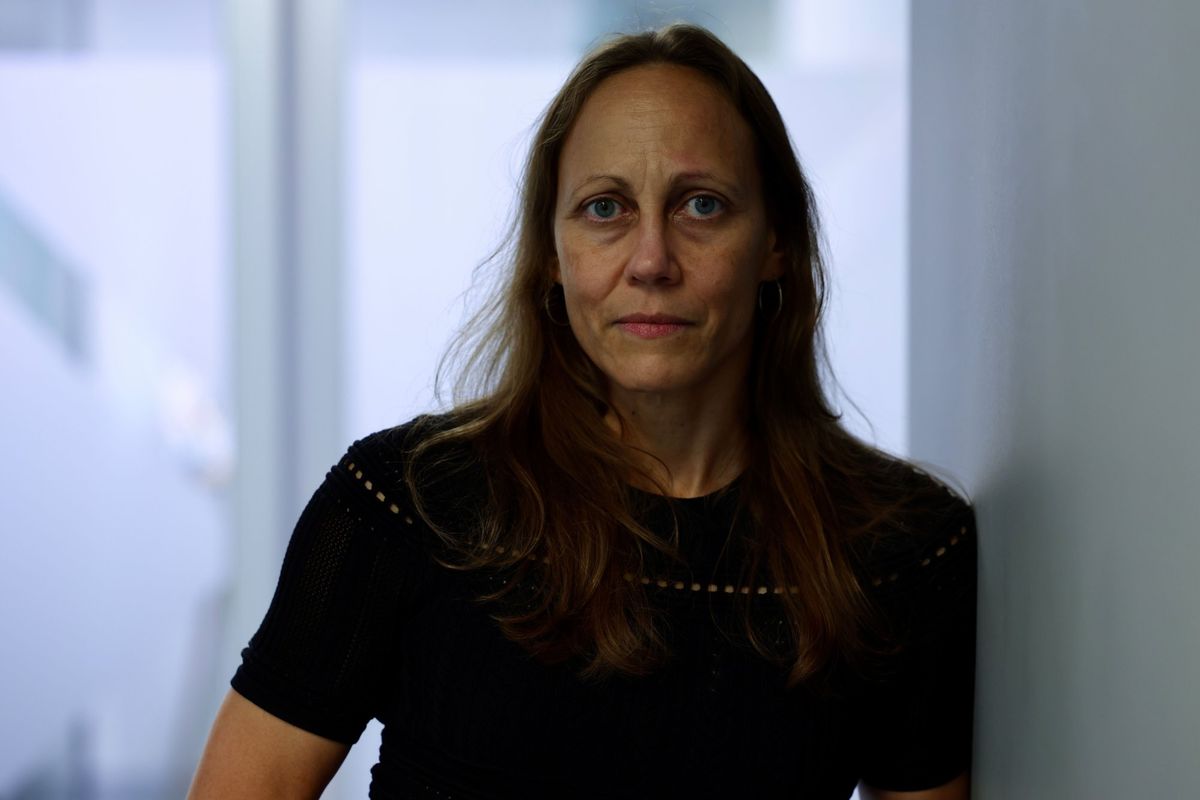
This week, Northern Territory Children's Commissioner Shahleena Musk and National Commissioner for Aboriginal and Torres Strait Islander Children and Young People Sue-Anne Hunter called on the government to halt the changes.
While acknowledging the child protection system requires substantial reform, the commissioners warned rushed amendments risk unintended consequences and would not deliver meaningful systemic reform to improve child safety.
Commissioner Musk — a Larrakia woman and former Crown prosecutor in both the NT and Western Australia — offered to lead an inquiry with support from Commissioner Hunter, citing the national commissioner's expertise in the sector.
"This is not just about the Child Protection system; there are many other systems outside of my legislative remit that are failing vulnerable children and families and must be included within the review," she said.
"Currently, I do not have the resources and legislative powers to undertake a systemic Inquiry to the level that it is needed."
SNAICC chief executive Catherine Liddle said any review must occur in "genuine partnership with Aboriginal community-controlled organisations, leaders and Commissioners who understand the realities facing children and families on the ground".
The CLP government has announced a review, but only into the Department of Children and Families in relation to the case of Kumanjayi Little Baby. It will be led by former NSW Police Commissioner Karen Webb — who previously stated Closing the Gap commitments could not come at the expense of police work — alongside Greg Shanahan.



