




A number of Indigenous advocates and legal services are calling on the Northern Territory government to widen the scope of a review into the child protection system, announced in the wake of the death of five-year-old Kumanjayi Little Baby last month.
It comes as the NT children's commissioner says she was not contacted by anyone in government before the review was announced.
On Friday, the Territory's Minister for Child Protection, Robyn Cahill, announced the CLP government would undertake an extensive review into the system.
The announcement followed charges laid against 47-year-old Jefferson Lewis — who is not related to Kumanjayi Little Baby and had nothing to do with her care — over her alleged murder, along with two other offences.
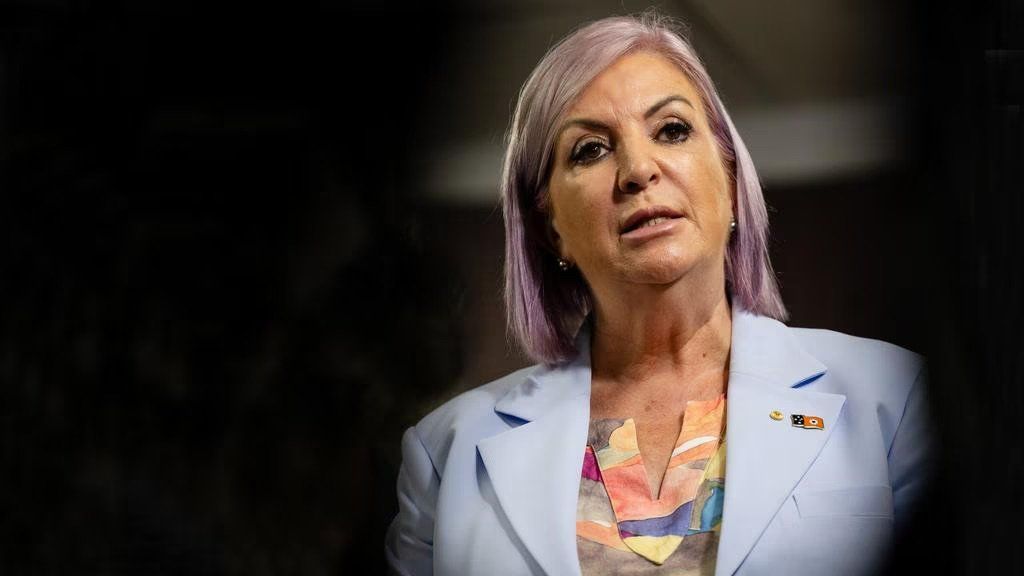
The government is "not prepared to accept the status quo and will announce the scope of an independent review" as early as Monday, Ms Cahill told the ABC.
"Every Territory child deserves to be safe," she said in a statement. "That is not negotiable."
She confirmed an external expert on domestic and family violence and child protection would conduct it.
No engagement from government
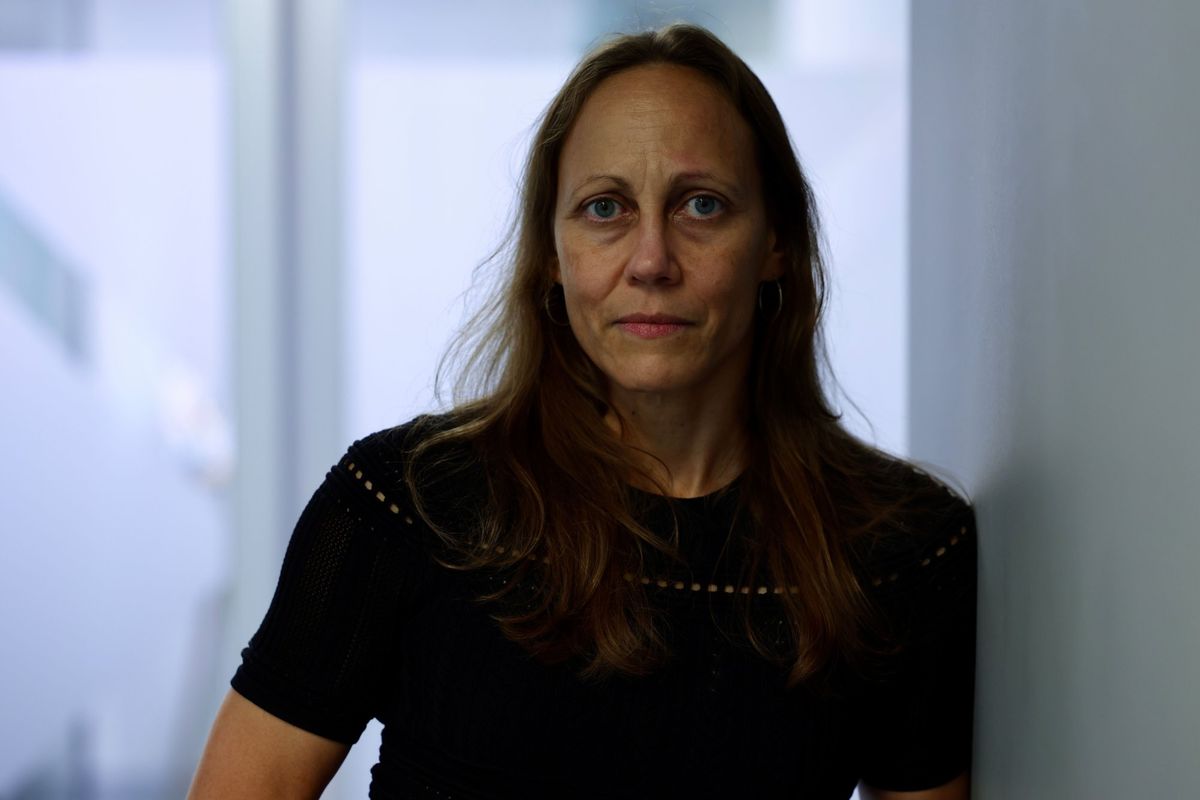
In a statement, NT Children's Commissioner Shahleena Musk said that despite comments from Ms Cahill, "neither the Minister nor any members of Cabinet have contacted or sought to engage with the Children's Commissioner on this matter or the need for an investigation into or review of the broader child protection system".
She said information in the media had been " inconsistent and contradictory," arguing she had not been approached about the "possibility of an independent inquiry or to direct they undertake an inquiry in accordance with section 30 of the Children's Commissioner Act 2013 (the Act)".
"The Children's Commissioner has tried to obtain information on this matter from relevant agencies including the Department of Children and Families (DCF) through formal legal notices to inform decision-making in accordance with legislative functions," Ms Musk said.
"As of this date, the Commissioner is still awaiting fulsome information."
Ms Musk, a Larrakia woman and former Crown prosecutor in both the NT and Western Australia, also criticised the "politicisation and nature of public commentary on sensitive issues surrounding the tragic death of Kumanjayi Little Baby".
Last week, Ms Cahill said three child protection workers had been stood down over circumstances in the lead-up to Kumanjayi Little Baby's abduction and death.
It has been reported six notifications about Kumanjayi Little Baby's welfare were made to the NT child protection department in the six weeks before her disappearance.
National Indigenous Times understands these notifications were in regard to the girl's mother being at risk of domestic violence, sparking concerns about the leaking of this information to the media.
Parliament will debate legislation next week, with the minister flagging long-proposed changes to the Aboriginal and Torres Strait Islander Child Placement Principle (ATSICPP), designed to ensure children removed by the government retain connection to their family and culture.
Despite Ms Cahill's widespread comments on the law, in the NT, only 17.5 per cent of Indigenous children aged 0-17 in out-of-home care (OOHC) were with an Aboriginal and Torres Strait Islander relative or kin — the lowest rate in the country.
'Fundamentally flawed' legal changes
On Friday afternoon, a coalition of eight legal and family violence prevention services issued a statement criticising Ms Cahill for comments they say "again demonstrate a fundamental misunderstanding of the legislation she administers".
"Earlier public commentary by the Minister repeatedly suggested that the ATSICPP somehow competes with the safety and well-being of children," they said. "That proposition is legally incorrect...The Act already makes the best interests of the child the paramount consideration in every child protection decision."
The organisations, which include the North Australian Aboriginal Justice Agency (NAAJA), the North Australian Aboriginal Family Legal Service (NAAFLS) and Legal Aid NT, said efforts should focus on supporting children and families, "rather than kneejerk legislative changes which risk creating another Stolen Generation and further harming a new generation of Aboriginal children".
.jpeg)
NAAJA chief executive Ben Grimes said effective child protection reform required "careful consultation with Aboriginal communities, legal experts, frontline services and those with lived experience".
"It cannot responsibly occur through politically reactive amendments driven by media narrative," he said. "Yet despite this, the Minister appears intent on pursuing rapid legislative reform informed by misinformation rather than evidence. That should alarm every Northern Territorian."
NAAFLS CEO Cindy Torrens added: "Within our sector we have three Aboriginal Community Controlled legal services who are experts in this field. We have not been consulted".
Opposition child protection spokesperson Chansey Paech told National Indigenous Times last week the NT needs to "fix the system, not blame people" in order to keep children and families safe.
"[It's] deeply concerning to hear the Minister talk about standing down staff ... political interference raises serious questions," he said.
"After two years, the CLP must take responsibility. Child safety must come first but demonising Aboriginal families, especially a mother protecting her children from domestic violence, is wrong."



