


Traditional knowledge and Indigenous-led trade were highlighted at the 2026 AIATSIS Summit in a panel on how cultural knowledge can shape Australia's international engagement.
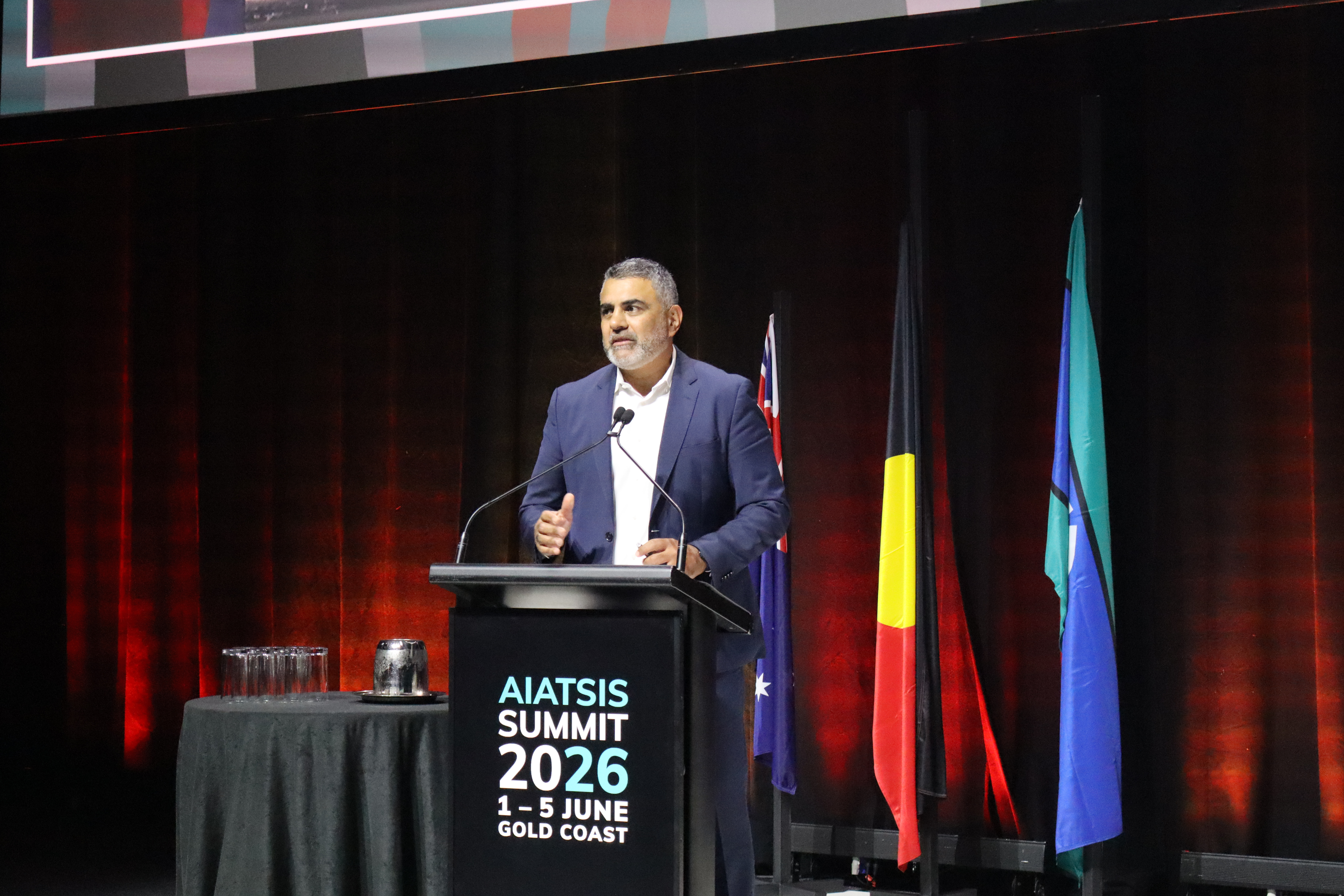
The Traditional Knowledge Informing our International Engagement session was chaired by Gooreng Gooreng man and Australia's inaugural Ambassador for First Nations People, Justin Mohamed, and also featured Shay Vigona-Goudge, Joshua Gilbert and Leah Armstrong.
The session explored how Indigenous knowledge, cultural assets and business development could support Australia's trade relationships, particularly across the Indo-Pacific.
Mr Mohamed opened the discussion by placing trade within a broader cultural and community context, arguing that markets, tariffs and supply chains could not be separated from people, identity and connection.
"Today we're shifting that lens because trade is not just about goods moving across borders but about ideas, identity and opportunity," Mr Mohamed said.
"The goal is straightforward - we want to see more Indigenous businesses exploring their goods and exporting their goods and services to the world."
Ms Vigona-Goudge, an Aboriginal woman with Tiwi Island and Warumungu heritage, brought experience from government, arts, culture and infrastructure.
She is a member of IP Australia's Indigenous Knowledge Panel, a senior Indigenous affairs adviser with Telstra's InfraCo, and an Indigenous business owner involved in a seafood wholesale business selling Northern Territory wild-caught fish into interstate markets.
Her contribution focused on the limits of existing intellectual property systems and the practical steps Indigenous people could take when cultural knowledge, designs, botanicals or other forms of Indigenous knowledge were connected to products entering wider markets.
Existing laws were described as limited because they are built around individual ownership and commercial rights, rather than collective cultural responsibility.
"So the IP laws don't really protect our culture, stories or knowledge very well," Ms Vigona-Goudge said.
"The IP system is designed for individual ownership and commercialisation use. It's not really designed for collective protections."
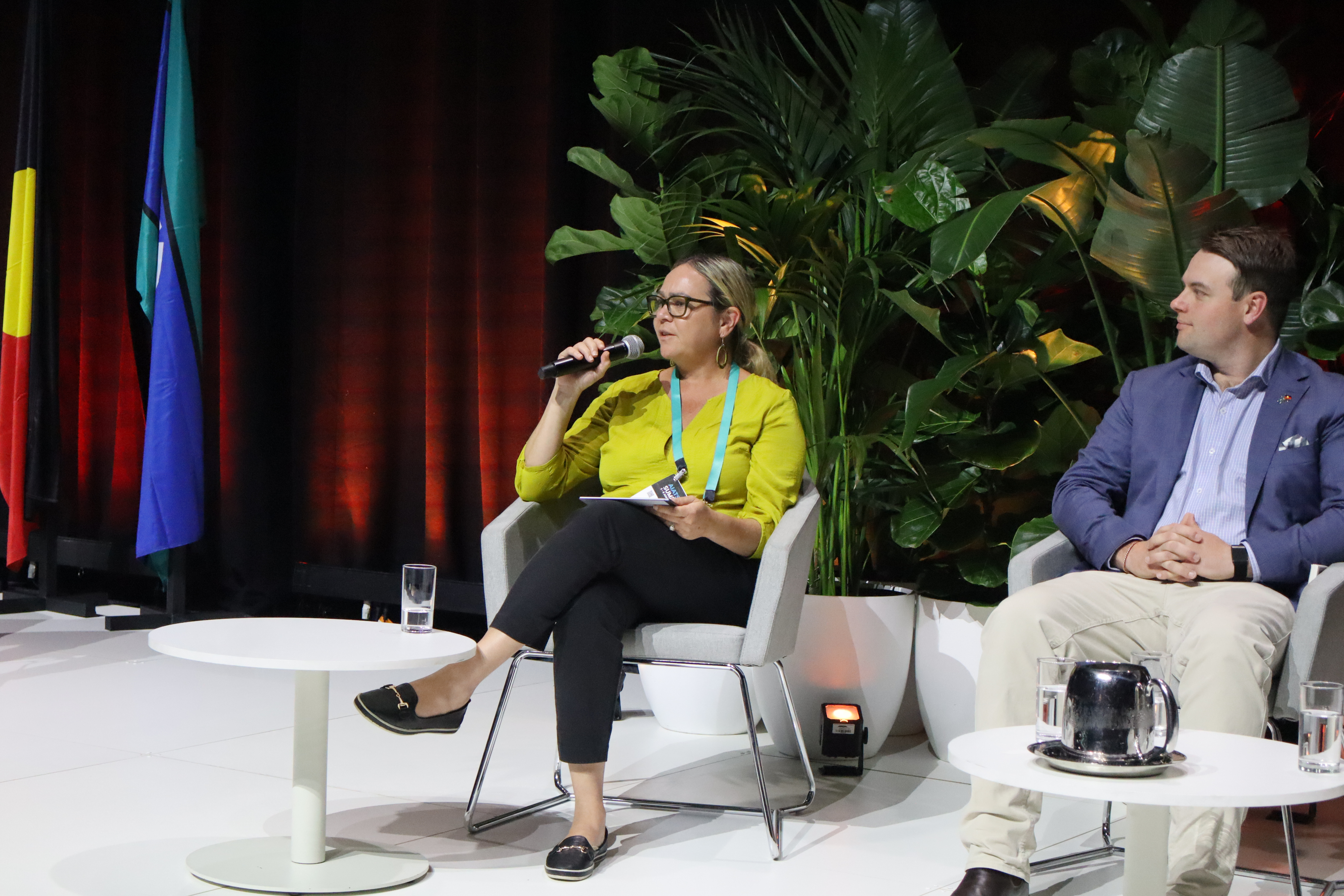
Ms Vigona-Goudge pointed to trademarks, designs, plant breeders' rights and patents as formal IP tools administered by IP Australia, while also warning that registering a business name or domain name did not amount to IP protection.
For businesses looking overseas, she said IP became more complex because protections were territorial and had to be considered early in each market.
Contracts, cultural protocols, benefit-sharing arrangements and legal advice were also raised as practical tools, particularly where Indigenous knowledge was being used in partnerships with companies, universities or research bodies.
Mr Gilbert, a Worimi man from the mid-north coast of New South Wales, brought experience in Indigenous agriculture, sustainability, employment research and business.
His work includes the Centre for Indigenous People and Work, Gilbert Consulting, a cattle business on Country, and board roles including the First Nations Trade and Investment Advisory Group and Indigenous Business Australia.
Mr Gilbert drew from recent time in Aotearoa / New Zealand and reflected on how Indigenous food systems, agriculture and identity could shape Australia's international presence.
He said conversations with Māori people had influenced his thinking on Indigenous livestock, food identity and the narratives that sit behind agricultural exports.
"So thinking proactively around that, the stories that we tell, how we connect all of that in agriculture, we export 70 per cent of our product," Mr Gilbert said.
"We have a much broader and richer conversation as a result."
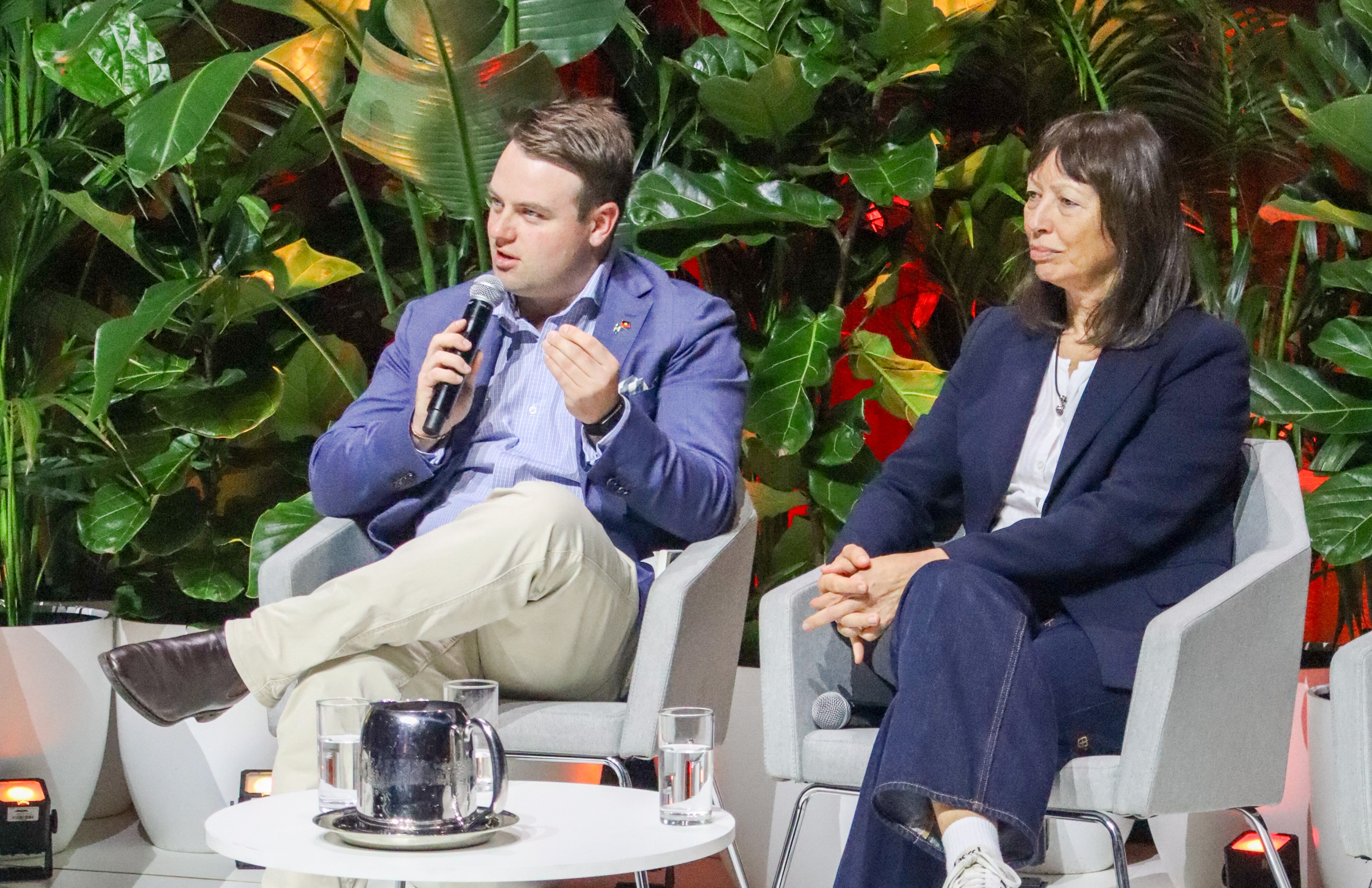
Ms Armstrong, a Torres Strait Islander woman and senior professional with more than 30 years of business and not-for-profit experience, spoke as a member of the First Nations Trade and Investment Advisory Group.
She is Managing Director of Core Insights Advisory Services, recently appointed Interim Director of the Australian National University's Centre for Indigenous Economic Transformation, and an Australian co-representative of the Indigenous Peoples Economic Trade Co-operation Arrangement, known as IPETCA.
Her remarks centred on Indigenous-to-Indigenous trade and the importance of relationship-building before commercial transactions.
IPETCA was described as Indigenous-led and government-enabled, with Australia, Aotearoa / New Zealand, Canada and Chinese Taipei among the economies involved.
"Indigenous-to-Indigenous trade is an important pathway for IPETCA," Ms Armstrong said.
"We don't go straight into talking about trade and how we're going to do deals and how we're going to do transactions. It's how we build our relationships first."
The discussion also touched on investment between Indigenous businesses across different economies, including opportunities for Indigenous entrepreneurs in Taiwan to work with Australian businesses.
In closing, the panel pointed to the need for stronger legal protections for Indigenous Cultural and Intellectual Property, clearer recognition of Indigenous products and services, and continued support for Indigenous businesses to access global markets.



