




Professor Guy Fiti Sinclair's lifelong connection to learning, Pacific cultures and community service began in Papua New Guinea.
As Aotearoa celebrates Papua New Guinea Pidgin (Tok Pisin) Language Week, the University of Auckland's first Professor of Pacific heritage at Auckland Law School reflected on a childhood spent on the campus of the University of Papua New Guinea in Port Moresby, surrounded by languages, cultures and ideas that would later shape his academic career.
Growing up in Papua New Guinea, Professor Sinclair was immersed in one of the most linguistically diverse countries in the world and learned to speak Tok Pisin as a child. Home to more than 800 languages, Papua New Guinea's rich cultural landscape fostered an early appreciation for the importance of language, identity and belonging.
His parents were both part of the University of Papua New Guinea community. His mother, Ruta Fiti Sinclair, lectured in history, while his late father, Peter Sinclair, worked in the university's finance department. Their work meant the campus became Professor Sinclair's first classroom.
"The inspiration to pursue an academic path must have begun at that time," said Professor Sinclair, who spent much of his childhood surrounded by scholars, students and discussions about history, culture and society.
His mother, originally from Sāmoa, had studied under renowned Tongan historian Sione Lātūkefu.
Other guests in the family home included eminent Sāmoan scholars Albert Wendt, Malama Meleisea, and then-Prime Minister Tupua Tamasese Efi. These experiences instilled in Professor Sinclair a respect for education and Pacific knowledge systems. Looking back, he sees those early years in Port Moresby as laying the foundations for a career dedicated to scholarship and service.
Today, Professor Sinclair is internationally recognised for his work in public international law, international organisations and Pacific governance. He has studied and worked around the world, including earning a Fulbright-funded doctorate from New York University, but the values he learned growing up in Papua New Guinea remain central to his work.
"Papua New Guinea was where I first saw education as something that could serve communities and create opportunities," he said.
Papua New Guinea Language Week provides an opportunity to celebrate not only the country's extraordinary linguistic diversity, but also the ways language carries culture, history and collective knowledge across generations.
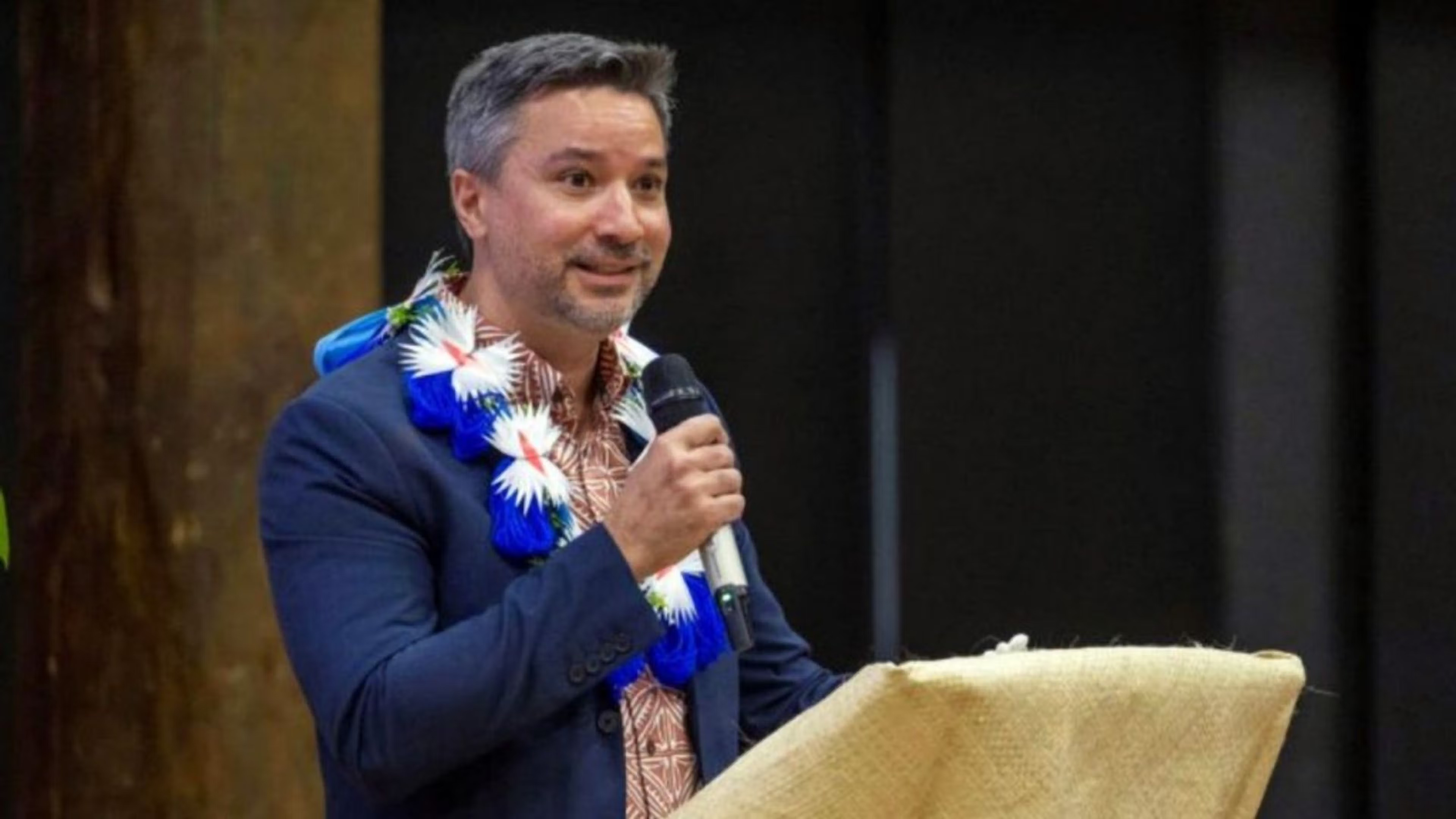
Professor Sinclair's connection to Papua New Guinea remains strong.
Dame Meg Taylor, one of the Pacific's most distinguished public servants from Papua New Guinea, was invited to the Auckland Law School in February to deliver the Olive Malienafau Nelson Lecture. Professor Sinclair also had the pleasure of visiting Port Moresby in May attending the Melanesian Ocean Summit, where he visited the University of Papua New Guinea to meet with faculty at the Law School to establish stronger ties.
"There is a strong sense across Pacific communities that what we achieve is because of those who came before us and the sacrifices they made," he said.
That philosophy continues to inform his role as Associate Dean Pacific at Auckland Law School, where he has helped strengthen pathways for Pacific students and support the growth of Pacific legal scholarship.
As the University celebrates Papua New Guinea Language Week, Professor Sinclair's story highlights the enduring impact of language, culture and education. From the bustling campus of the University of Papua New Guinea to becoming a professor at Waipapa Taumata Rau, his journey reflects the power of Pacific stories and the communities that nurture them.
Papua New Guinea will always hold a special place for Sinclair.
"It is an amazing and beautiful country, and a place I still think of as home."



