




The Indigenous Carbon Industry Network has sent its first-ever delegation to the United Nations Climate Change Conference, COP31.
ICIN is at the Conference in Antalya, Turkey, to highlight Indigenous leadership in emissions reductions, champion Indigenous engagement in global climate discussions, and promote Indigenous carbon credits.
ICIN is an Indigenous-owned and Indigenous-led peak body supporting Indigenous organisations that produce carbon credits through land management activities.
The Network and one of its members, Arnhem Land Fire Abatement Northern Territory (ALFA-NT), successfully applied to host two sessions in the Australian Pavilion on Day One of COP31, Monday 9 November.
The ICIN's panel session, Solutions for a just transition through Indigenous empowerment, will focus on "the success of Australia's Indigenous carbon industry, showing how it's supporting a just transition, strengthening adaptation and resilience, and is facilitated by carbon markets which financially reward the caring of Country through carbon projects", the Network said ahead of the event.
ICIN Director Suzanne Thompson will be speaking at the session and says Indigenous voices must be at the forefront of global conversations on climate action and a just transition.
"We have been caring for Country and adapting to changes in climate for millennia, and our knowledge, experience and leadership have an important role to play in shaping climate solutions," she said on Sunday.
"We are stepping up our participation on the global stage. I attended pre-COP climate meetings in Fiji last month, and now I'm attending COP as part of ICIN's first-ever delegation. While we are a small but growing organisation, our impact is significant.
"Indigenous people set up Australia's first carbon method through savanna fire management, and today, Indigenous-led carbon projects are delivering around one million tonnes of emissions abatement each year on average, with more than 12 million tonnes abated since 2012."
Solutions for a just transition through Indigenous empowerment will be held at local time 5pm on Monday (10pm WA time Monday, 12.30am central daylight saving and 1am eastern daylight saving time, Tuesday November 10), and can be watched online via the Australian Government's YouTube account.
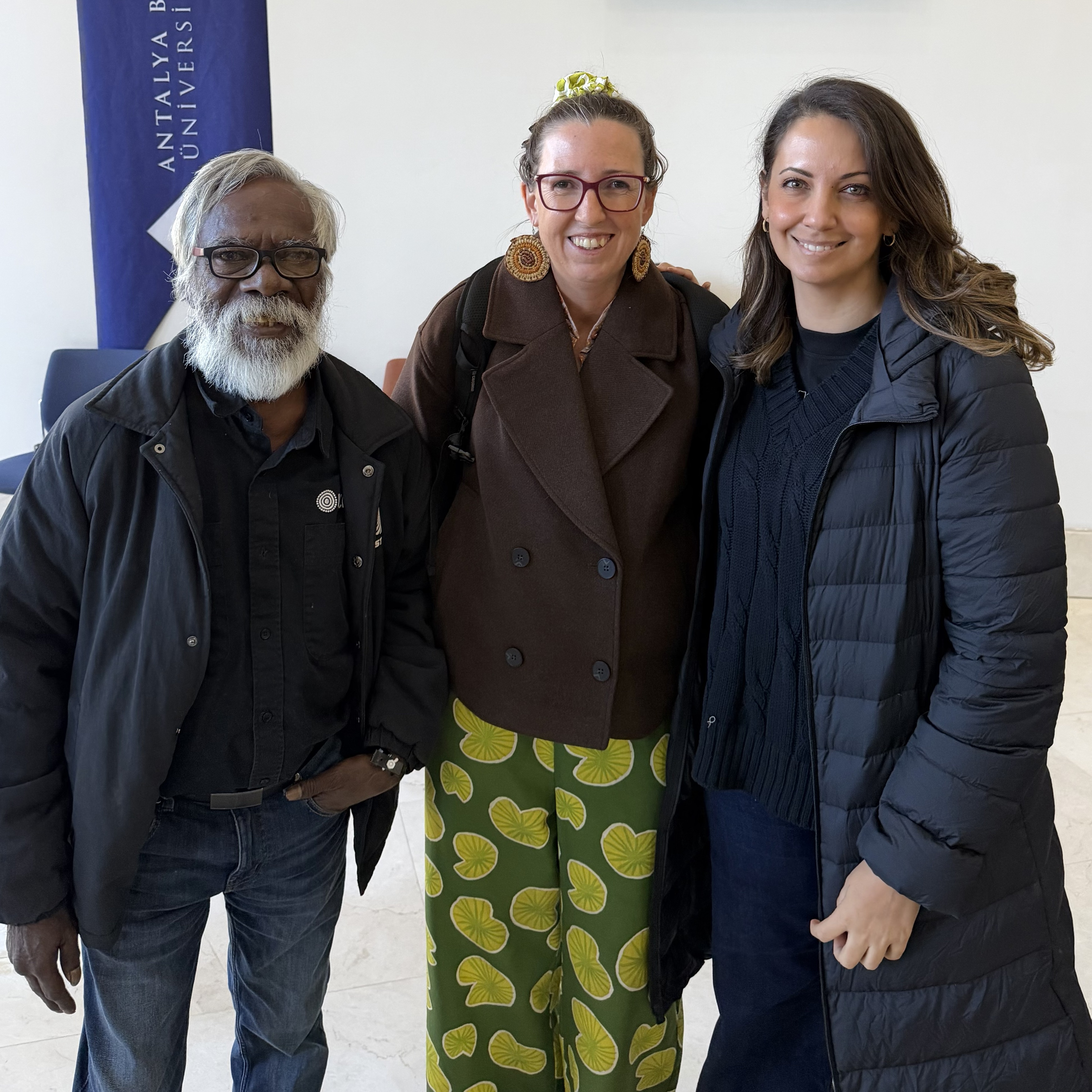
Alongside Ms Thompson the session speakers also include ICIN Co-Chair, Chair of Warddeken Land Management Limited and Co-Chair of Karrkad Kanjdji Trust Dr Dean Yibarbuk: ICIN Co-Chair, Advisory Committee of the International Savanna Fire Management Initiative (ISFMI) Cissy Gore-Birch OAM; and ICIN chief executive Anna Boustead Gazzard.
The four speakers will be joined in Turkey by upcoming new Indigenous leaders from the ICIN team, Jenaya Graham and Tyron Bin Hitam-Keeffe, who will support the speakers throughout the event and also gain first-hand experience of the value and importance of an international platform for sharing knowledge, stories, and perspectives.
The other event in the Australian Pavilion is hosted by ALFA-NT.
ALFA presents: FILM LAUNCH, Indigenous climate leadership through carbon markets on Monday 1pm local time, premiering the trailer for an upcoming feature-length documentary on the ALFA program, "one of the world's leading examples of Indigenous climate leadership at scale".
The film tells how Traditional Owners have combined thousands of years of cultural knowledge with modern science, technology and carbon markets to deliver globally significant climate outcomes while strengthening culture, communities and Country.
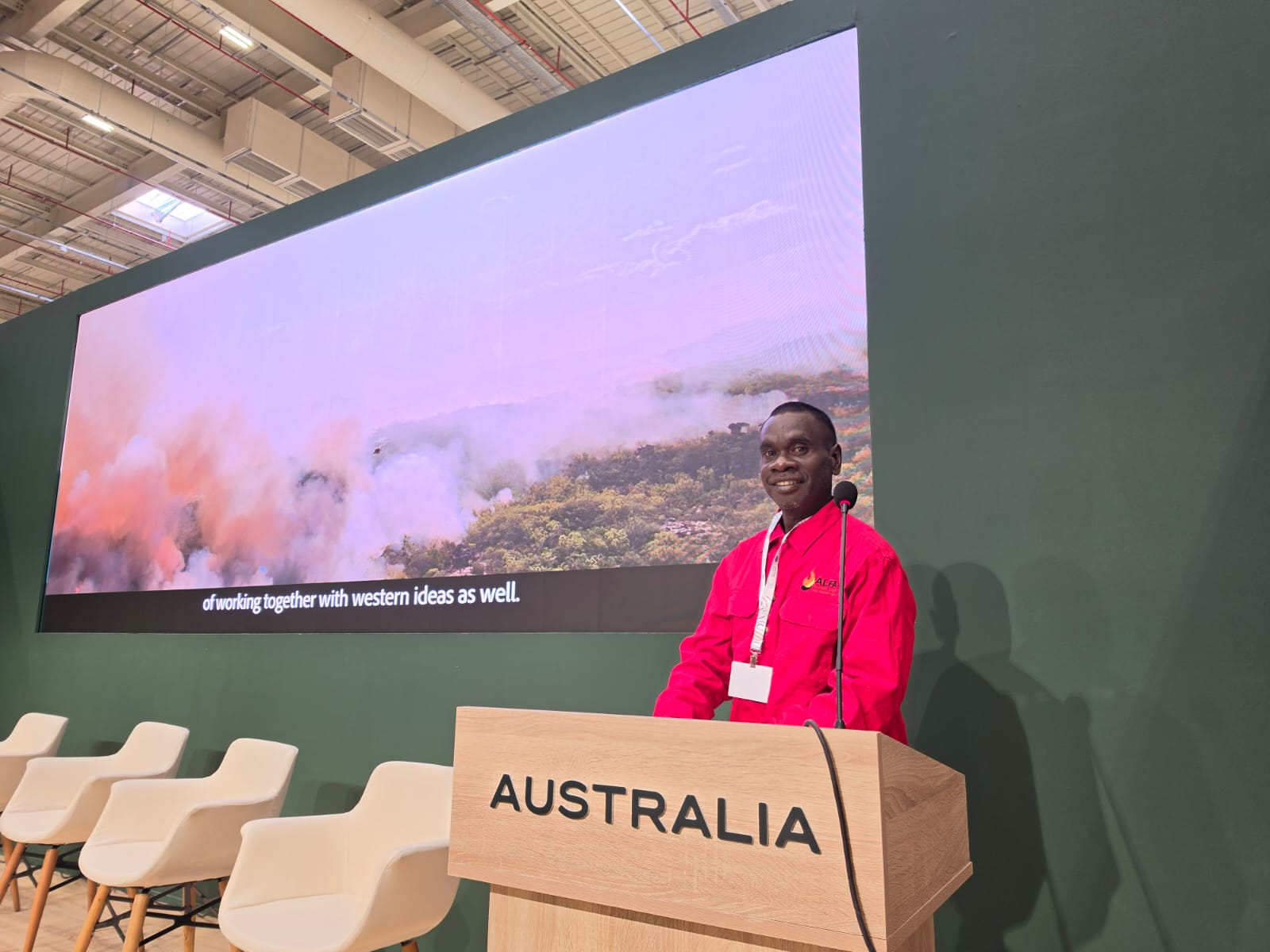
The screening will be followed by a panel of Indigenous leaders from Australia and the Pacific, exploring the role of Traditional Knowledge in addressing climate change, the importance of high integrity carbon markets, and the policy and investment settings needed to expand Indigenous-led climate solutions.
The panel discussion will feature Jamie Yibarbuk (Director, ALFA); Adrian Enright (Chief Commercial Officer, ALFA); Alfred Ralifo (Pacific Conservation Director, WWF-Pacific); and Ms Gore-Birch.
ICIN thanked the federal government, who provided ICIN with grant funding towards travel costs, and the International Savanna Fire Management Initiative (ISFMI) for their support in sending the delegation to COP31.



