



A group of 12 Indigenous health professionals are set to graduate from South Australia's Flinders University next week.
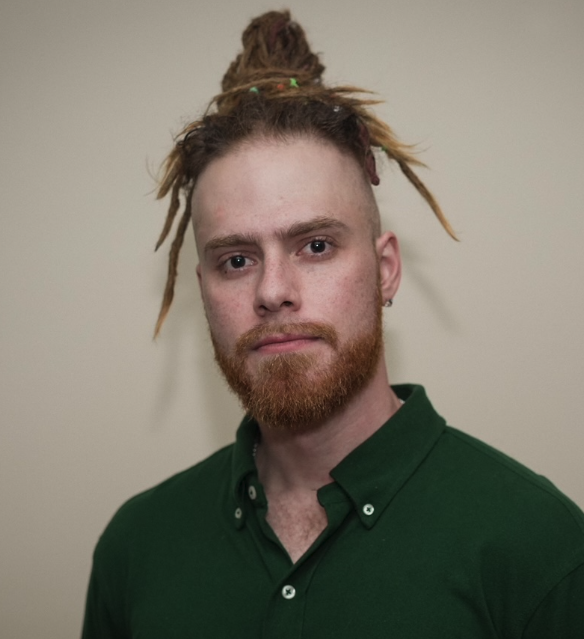
They include proud Ngarabal man, Jordyn Tomba, who is on the verge of graduating as a doctor.
The 29-year-old from the southern Adelaide suburb of Goodwood is set to commence as an intern at the Royal Adelaide Hospital next year.
Mr Tomba has a background in nuclear medicine after working as a nuclear medicine scientist for three and a half years, bringing valuable expertise to his new role.
"I have always been interested in medicine but felt that the circumstances weren't right, and I lacked confidence in how to get there," he said.
"Now I'm starting as a junior doctor I can explore what I'd like to specialise in.
"I'm grateful for the opportunity and support that IES has provided through my journey to becoming a doctor."
Proud Larrakia man, Peter Lacey has been accepted into Flinders University's Doctor of Medicine program, following his participation in the Indigenous Entry Stream (IES), set to begin his professional health journey in 2024.
The 29-year-old left home at the age of 12 to attend boarding school in Adelaide, following the guidance of a teacher in Darwin.
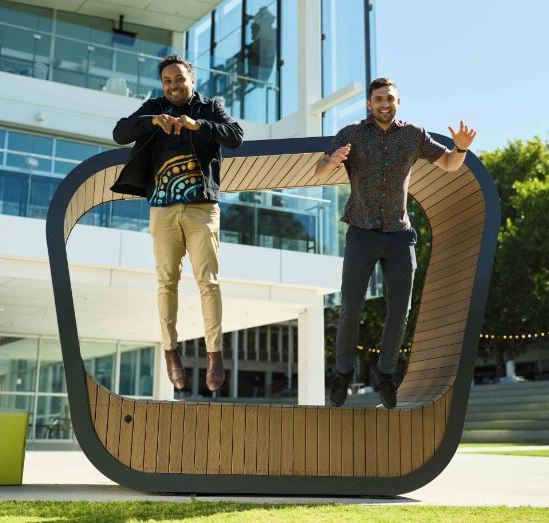
Inspired by his involvement in a charitable ophthalmology project in Bali, Mr Lacey developed a passion for studying medicine.
Initially he earned a Bachelor of Arts in journalism, commencing his career as a reporter and going on to serve as First Nations coordinator at a private school in Adelaide.
He then entered Flinders University's Doctor of Medicine pathway through the IES, which is designed for Aboriginal and Torres Strait Islanders who lack confidence, access, or opportunity and aspire to become doctors.
"I wanted to study medicine years ago but I didn't feel good enough or smart enough," Mr Lacey said.
"IES was great because it gave me a glimpse into what studying medicine would really be like.
"It gave me the confidence to reconsider a career in medicine. The support provided through IES has been incredible."
Many IES students pursue a medical career later in life after engaging in alternative professions.
Aboriginal and Torres Strait Islander doctors accounted for less than 0.44 per cent of Australia's registered medical workforce in 2019, as reported by AIDA.
Flinders University says there remains a pressing need for more Indigenous healthcare professionals to address the gap in Indigenous healthcare.



