




Advocates say recommendations from a landmark inquiry into Queensland's child protection system contradict much of the expert and lived-experience evidence presented during the review.
Queensland's Commission of Inquiry into Child Safety report, released on Wednesday, found the number of children and young people in state residential care had more than tripled over the past decade. The report noted Queensland now has almost as many children in residential care as every other state and territory combined.
Among its 52 recommendations, the inquiry proposed changes to ensure adoption is not restricted by a child's cultural background or ethnicity, and recommended amending the Child Protection Act to establish adoption as a third permanency pathway for all children.
"The Commission notes the strong submissions from First Nations stakeholders against adoption, however, it considers it would be inappropriate to exclude one cohort of children in out-of-home care from this option," the report states.
Not based on evidence — advocates
The recommendation drew immediate criticism from First Nations child welfare advocates.
SNAICC - National Voice for our Children said it was alarmed by the proposal to expand the use of adoption.
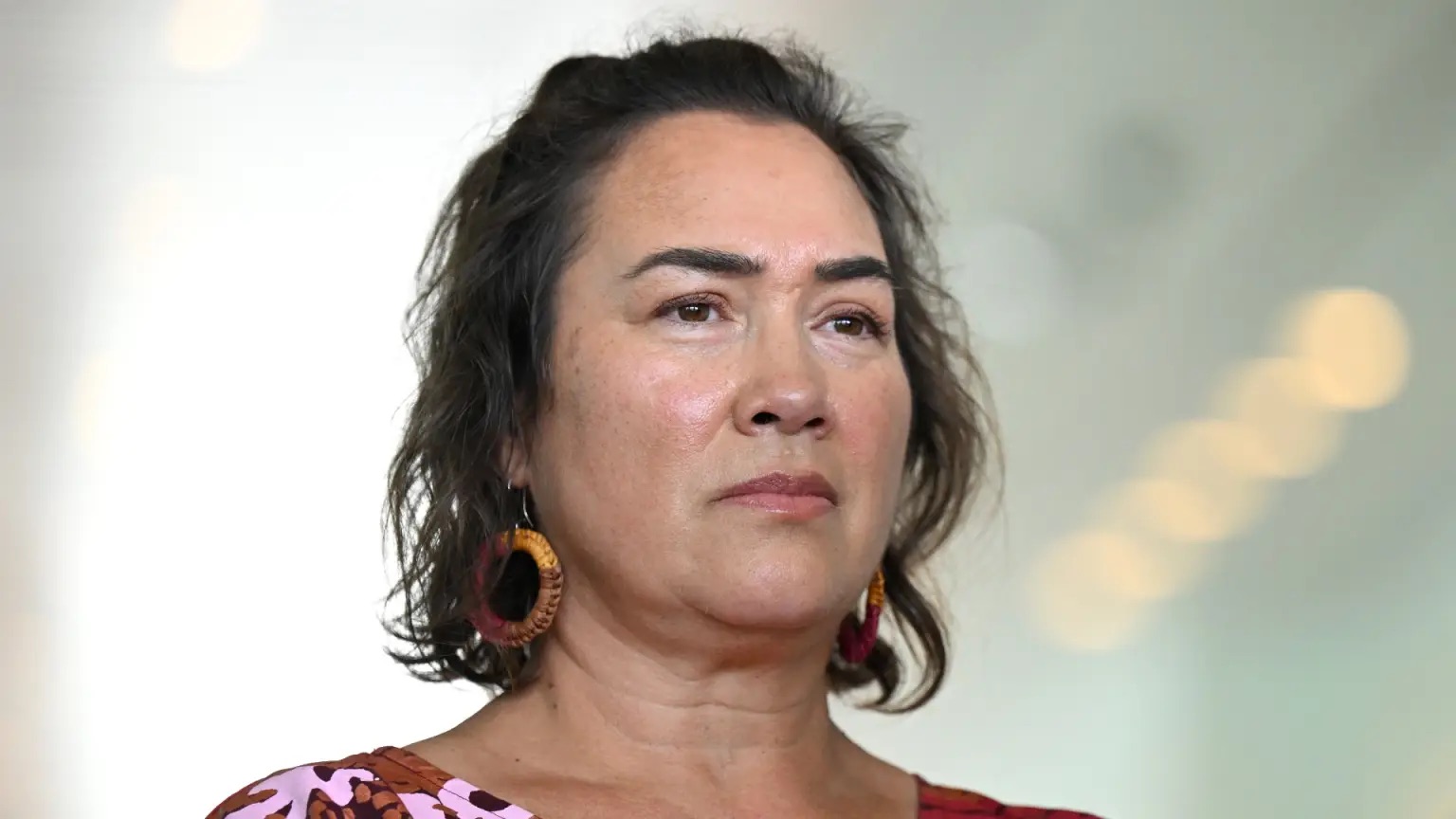
"This flies in the face of everything we know from the experience of Stolen Generations and multiple investigations since the Bringing Them Home report," chief executive Catherine Liddle said.
Sisters Inside CEO, Debbie Kilroy, told the ABC elevating the adoption of children in the permanency hierarchy would risk repeating the mistakes of the past.
"There is no way to separate adoption from the history of stolen generations," she said, arguing Indigenous children were removed under the guise of best interest for generations.
"And that's what we still have, the state saying they are still operating for the best interest of children."
No evidence of racism in child removals
The commission also found there was no evidence that "racism is a motivating or causal factor in decisions to remove Aboriginal and Torres Strait Islander children from their families". It said case studies provided by Indigenous legal and advocacy organisations "did not sustain a criticism that the children concerned were removed without a sufficient rational reason".
"On the contrary, the Department's policies and processes indicate that it is acutely conscious not to repeat the culturally ill-informed mistakes of the past," the report said.
In response, Ms Liddle said the finding was a "slap in the face to all our families".
"What does the Commission of Inquiry see as the explanation for the vast and unacceptable overrepresentation of our children in the child protection system?" she asked.
"This finding is quite frankly inexplicable."
Aboriginal and Torres Strait Islander children in Queensland are placed in out-of-home care at 9.3 times the rate of non-Indigenous children.
The inquiry found the state's residential care population increased by 229 per cent between March 2015 and March 2025. Over the same period, annual residential care costs rose from around $300,000 per child in 2019-20 to approximately $500,000 per child in 2024-25.
Responding to the report, the Queensland government announced children under five would no longer remain in residential care.
"I have made a policy decision no children under the age of five are to remain in residential care," Child Safety Minister Amanda Camm told state parliament on Wednesday.
Report misunderstood child placement principle
The report also found evidence presented during the inquiry suggested the Department had a "tendency to give tacit priority to achieving the objectives of the ATSICPP [Aboriginal and Torres Strait Islander Child Placement Principle] in priority to an evaluation of the child's best interests".
"The commission considers pre-determined assumptions about the best interests of Aboriginal and Torres Strait Islander children represents both a risk to the safety of Aboriginal and Torres Strait Islander children as well as an intangible impediment to reforming the child safety system," the report said.
Ms Liddle argued the commission had misunderstood the principle by suggesting it should be subordinate to a child's best interests.
"Connections to family, community, culture and Country are integral to the best interests of children not separate," she said. "Existing legislation in Queensland is already clear that the best interests of the child is the paramount principle."
She said that despite concerns raised about the commission's interpretation of the principle, the inquiry nevertheless supported the "full implementation of the five elements of the Principle and recognises this as important to improving outcomes for Aboriginal and Torres Strait Islander children".
SNAICC also called on the Queensland government to quickly appoint a replacement for outgoing Indigenous Children's Commissioner Natalie Lewis and pursue broader reforms to the child protection system.
"Queensland has an opportunity to remake child protection so it provides safety and better outcomes for children and young people," Ms Liddle said.
"We stand ready to work with them so all Queensland children have a safe and supported future."
Lifeline 13 11 14
beyondblue 1300 22 4636
1800 RESPECT (1800 737 732)
With AAP



