




Discussions at the recent Garma Festival reinforce the need for governments to focus on implementing the National Agreement on Closing the Gap, rather than creating a new agenda, according to the Coalition of Peaks.
The comments come as Independent Senator Lidia Thorpe slammed the festival for allowing Northern Territory Chief Minister Lia Finocchiaro, whose government has overseen legislative changes that have sparked outrage among First Nations leaders, to speak.
The 26th annual Garma Festival at the Gulkula ceremonial site on Yolŋu Country in northeast Arnhem Land brought together politicians, community leaders and Elders over the weekend, and was held only days after the release of the Productivity Commission's 2026 Closing the Gap report, which found that, of the 15 targets assessed, only three are on track to be met: employment, land and sea rights, and legal rights and interests.
In a landmark achievement, a fourth target — preschool enrolment (Target 3) — has already been met, with more than 95 per cent of First Nations children now enrolled, up from 61.3 per cent in 2016.
However, five targets — life expectancy, Year 12 or equivalent attainment, tertiary qualifications, youth engagement in employment or education, and appropriately sized housing — are improving but remain off track. Meanwhile, suicide rates, adult imprisonment, children in out-of-home care, and the proportion of children developmentally on track continue to worsen.
View this post on Instagram
Closing the Gap the pathway
In a statement this week, Coalition of Peaks Lead Convenor Donnella Mills said the Closing the Gap agenda, developed jointly by Aboriginal and Torres Strait Islander peak organisations and all Australian governments in 2020, provides a proven roadmap based on genuine partnership, shared decision-making and strengthening community-controlled organisations.
She said the latest Productivity Commission report was clear that "where governments have started sharing power with communities, progress has followed", but acknowledged concerns raised by Aboriginal leaders about the pace of the Closing the Gap reforms deserved attention.
"When respected Aboriginal leaders express concern about the trajectory of Closing the Gap, those concerns should not be dismissed. They should be examined carefully," she said.
"We know too many targets are not improving, and in some cases outcomes are going backwards. While responsibility for many service systems rests with states and territories, national leadership is essential if governments are to respond collectively and urgently.
"The question is not what comes after the Voice. The question is whether governments are prepared to deliver the commitments they have already made under the National Agreement on Closing the Gap."
Ms Mills, who replaced long-time lead convenor Pat Turner this year, said the Commonwealth needed to ensure all jurisdictions were implementing the agreement as intended.
"The Prime Minister should use National Cabinet to bring First Ministers together to address the targets that are deteriorating and agree a collective plan to get Closing the Gap back on track," she said.
"The Commonwealth should also review its intergovernmental funding agreements with states and territories to ensure they are driving the outcomes governments have committed to achieve under Closing the Gap. Intergovernmental agreements and funding should reinforce the Priority Reforms, strengthen Aboriginal community-controlled organisations and provide clear accountability for improving outcomes."
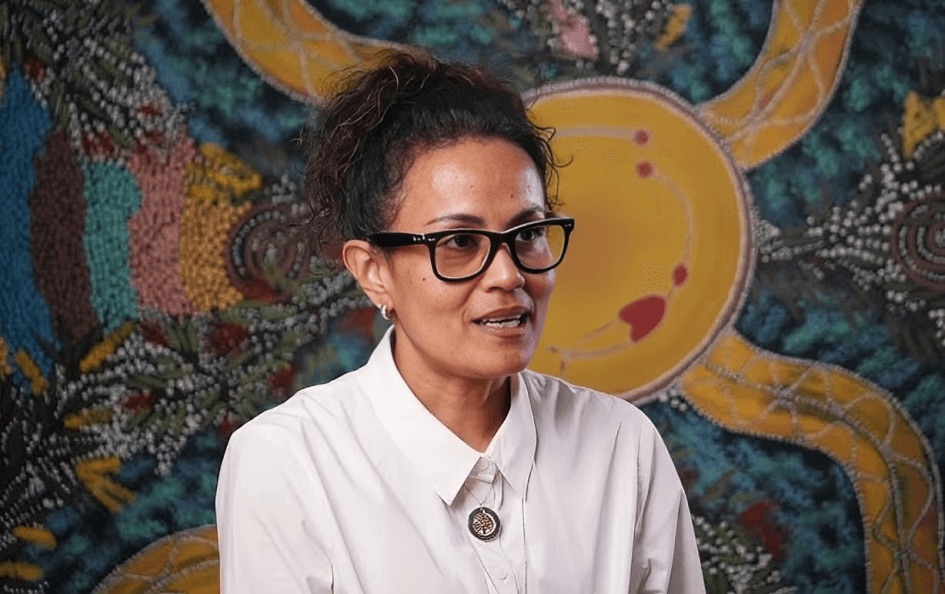
Unrestrained assault on Aboriginal people
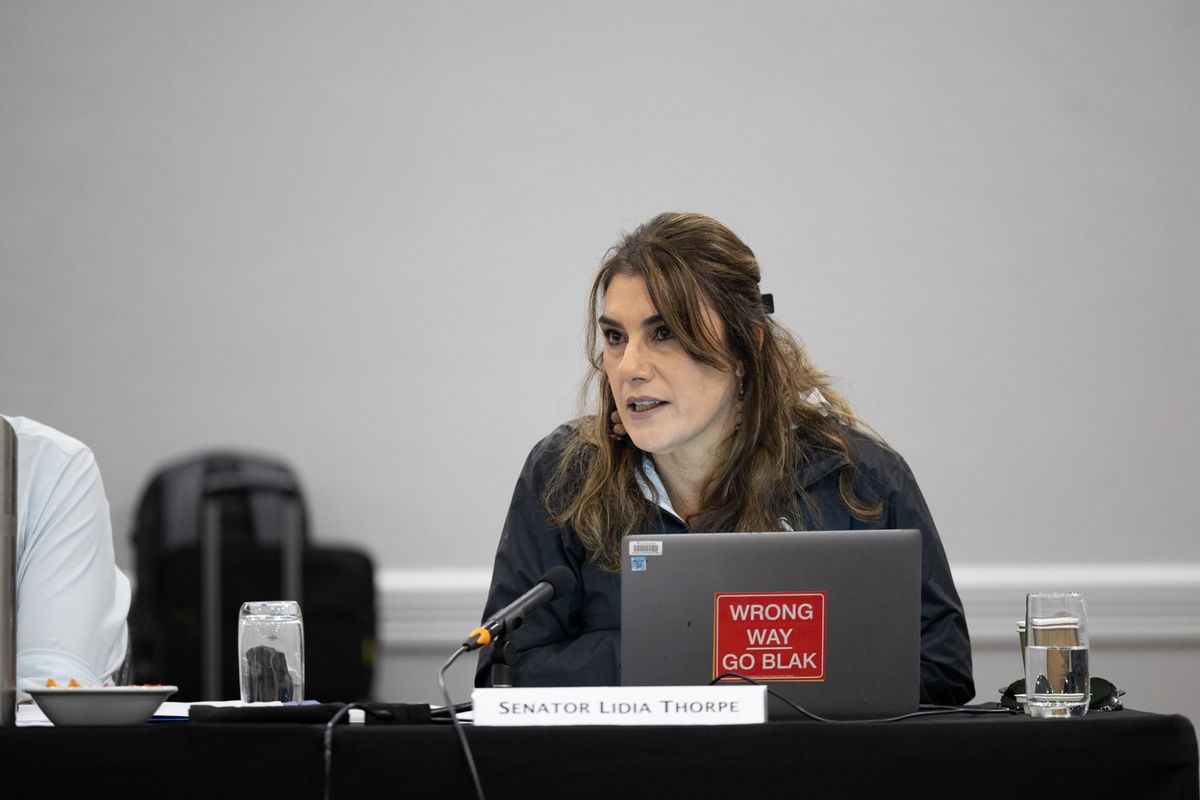
In a statement on Monday, Senator Lidia Thorpe claimed conversations at Garma failed to adequately address child removals, over-incarceration and deaths in custody.
"Going around the country over the last months for an inquiry into racism against First Peoples, we heard loud and clear that governments are the worst perpetrators of systemic racism that is keeping the boot on the neck of our people," Senator Thorpe said.
"This is not a time for more weak words; it is a time for real action: governments as the worst perpetrators of racism against First Peoples must be truly accountable for their failures and must cede power to Aboriginal people to take control of our own lives with our own solutions. Nothing changes if nothing changes."
She criticised the appearance of Ms Finocchiaro, whom she described as "the leader of the most racist government in this country".
"When her government continues to take from our people — our land, our children and our futures," Senator Thorpe said, "this is hypocrisy of the highest order."
Great harm to Aboriginal people
During his speech, Independent Member for Mulka Yingiya Guyula criticised the NT's CLP Government, arguing it had failed to listen to Aboriginal communities and claiming its policies had caused great harm to Aboriginal people.
The Djambarrpuyŋu man said of the recently passed child protection legislation: "Even though I have been sent by my people to be their voice and fix these problems, each time the CLP passes these laws, they take part in a slow genocide of our people. Each law is another step on the path to killing our people and culture.
"We want community-led solutions, but they say, 'No, we know what is best for you.'"
Federal Indigenous Australians Minister Malarndirri McCarthy used her speech to note the high rates of incarceration, arguing, "Our state and territory governments across Australia need to recognise how much that really hurts people."
"Unless First Nations people are at the table, genuinely at the table and listened to genuinely, these things don't change," she said.
View this post on Instagram
The Minister later told NITV the Commonwealth was considering stronger measures to pressure states and territories that were failing to meet Closing the Gap commitments.
"There are some jurisdictions that are not easy to work with," she said.
"It is very tough, especially when you do see the rise in incarceration and out-of-home care. So I will also be looking at other ways in which we can apply the pressure that's required and to go harder."
Last week, National Indigenous Times reported Social Services Minister Tanya Plibersek was the latest to weigh in on the Northern Territory Government's laws, which have been widely criticised and prompted calls from some leaders for the Commonwealth to intervene.
Speaking at a conference in Sydney, she ruled out Commonwealth intervention to overturn the legislation. Still, she argued, "I'm looking for opportunities to put pressure on them to do the right thing."



