




With only three of 19 Closing the Gap targets on track to be met, governments across the country will need to "redouble their efforts" for the agreement to become a reality, the Productivity Commission says.
Released on Wednesday, the Productivity Commission's 2026 Closing the Gap report found that, of the 15 targets assessed, only three are on track to be met — employment, land and sea rights, and legal rights and interests.
In a landmark achievement, a fourth target, preschool enrolment, has already been achieved.
However, five targets — life expectancy, Year 12 or equivalent attainment, tertiary qualifications, youth engagement in employment or education, and appropriately sized housing — are improving but remain off track. Meanwhile, suicide rates, adult imprisonment, children in out-of-home care and the proportion of children developmentally on track continue to worsen.
The agreement, signed by the federal, state and territory governments in 2021, set out 19 targets aimed at delivering measurable improvements in health, justice, education and economic outcomes by 2031.
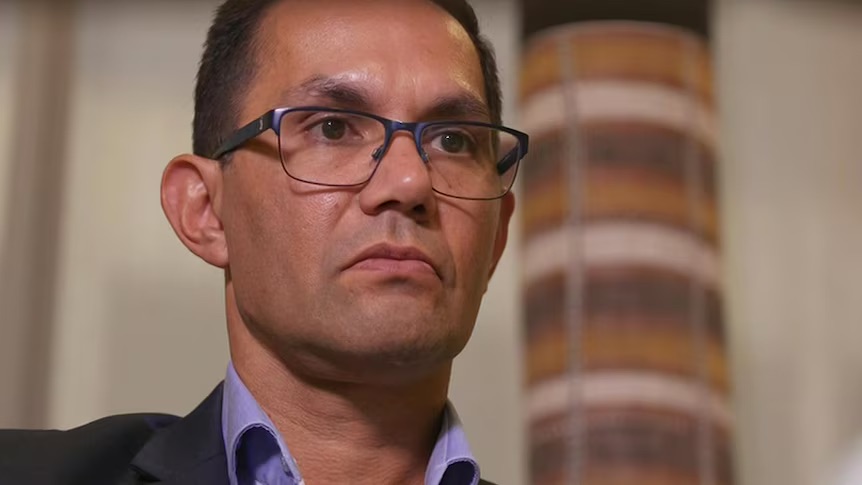
"Governments will need to redouble their efforts for the promise of the National Agreement on Closing the Gap to become a reality," Commissioner Selwyn Button said.
Positives
For the first time since 2018, new data — delivered by the Australian Institute of Aboriginal and Torres Strait Islander Studies (AIATSIS) in partnership with the Languages Policy Partnership (LPP) and the community-controlled sector — is available on the number and strength of Aboriginal and Torres Strait Islander languages.
"We now know that 177 Aboriginal and Torres Strait Islander languages are spoken or used in Australia today," Commissioner Button said.
"While the new data cannot be used to say whether it's trending in the right direction, the latest survey was co-designed with Aboriginal and Torres Strait Islander people to better reflect community perspectives and understandings of language. We now have a much better picture of this vital piece of Aboriginal and Torres Strait Islander culture and identity."
The preschool enrolment (Target 3) achievement, several years ahead of schedule, was welcomed, with more than 95 per cent of First Nations children now enrolled, up from 61.3 per cent in 2016.
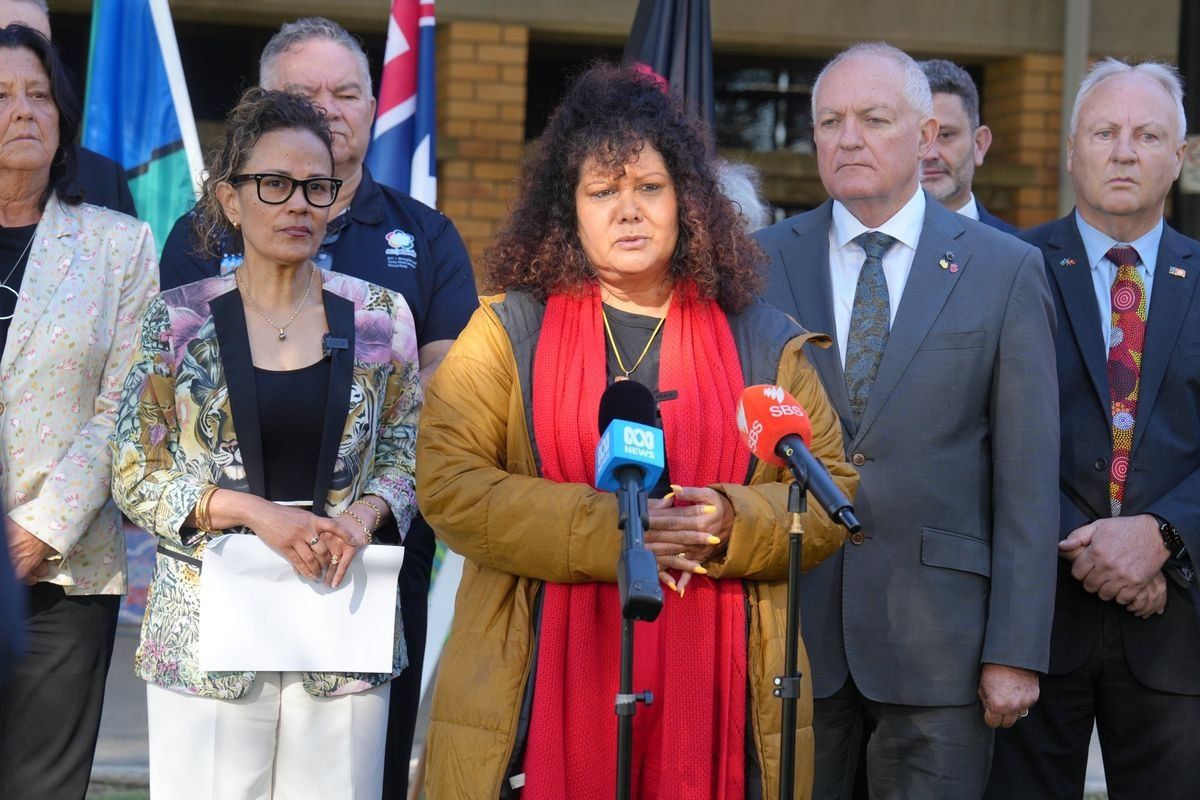
"This is a significant milestone and shows that collective efforts can drive meaningful and lasting change," Minister for Indigenous Australians, Malarndirri McCarthy, said.
"This result is encouraging, as are improvements in eight other targets including employment and education."
Community control remains central
In the report's foreword, Commissioner Button, a Gungarri man, and Productivity Commission Chair Danielle Wood said that, halfway through the agreement, the "urgency to alter the trajectory of those targets not on track, or more importantly, those which are declining, is strikingly clear".
Commissioner Button said the Closing the Gap agreement was clear: "The best way to make progress is through governments acting on the four priority reforms — sharing decision-making, building the community-controlled sector, transforming government organisations and sharing access to local data".
"Where governments have started sharing power with communities, progress has followed," he added.
The report noted collaborative approaches between government and non-government agencies, and local Aboriginal and Torres Strait Islander people and organisations, only help to ensure the services and programs meet the community's specific needs in keeping children safe and supported.
Coalition of Peaks Lead Convenor, Donnella Mills, said Target 3 being achieved showed "what could be achieved if governments took a more genuine and ambitious approach to working with our communities".
"Governments need to do more to embed the Priority Reforms in their work to close the gap and achieve the outcomes our people have fought for over decades, especially those governments who are responsible for targets going backwards or have stalled," she said.
Key failings
Nationally, the number of Aboriginal and Torres Strait Islander adults in prison continues to rise as stricter bail policies are introduced across the country. In 2025, the imprisonment rate reached 2,500 per 100,000 Aboriginal and Torres Strait Islander adults — 16.7 times the rate for non-Indigenous adults.
Rates are even higher in some jurisdictions, reaching 4,305 per 100,000 in Western Australia and 4,166 per 100,000 in the Northern Territory. In New South Wales, home to the country's largest Aboriginal and Torres Strait Islander population, both youth and adult incarceration rates have worsened.
While suicide rates have fallen among Aboriginal and Torres Strait Islander children and young people aged 5 to 24 since 2018, they remain highest among those aged 25 to 34 and have increased among all adults aged over 25.
"It is very concerning that we are still seeing outcomes worsening for early childhood development, children in out-of-home care, incarceration rates and suicide," Senator McCarthy said.
"Our government remains committed to Closing the Gap; working in partnership with First Nations communities, building on what is working and investing in the areas where we can make the greatest difference to generational change."
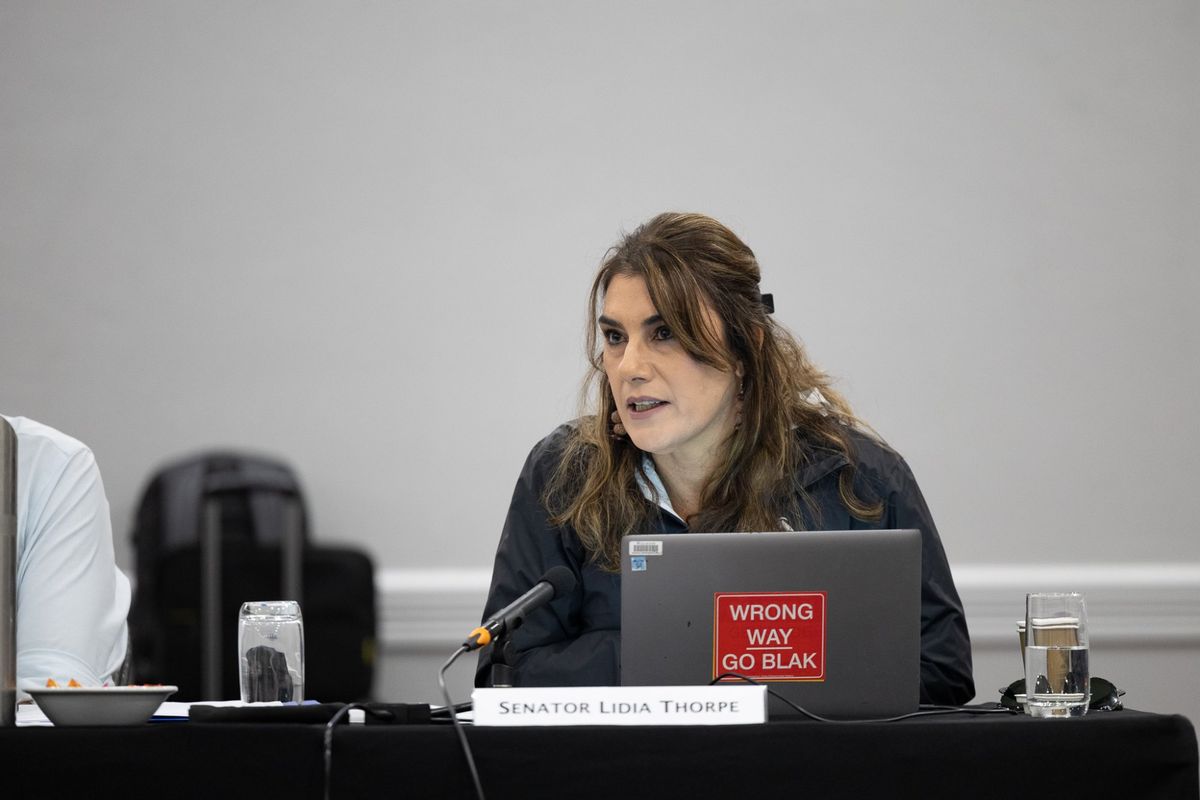
Independent Senator Lidia Thorpe was highly critical of the data, arguing governments nationally "are not interested in closing the gap".
"With no progress, Closing the Gap has now just become a sad reporting exercise on the racist state violence that continues to occur against First Peoples," she told National Indigenous Times.
"The problem is not a lack of information. The problem is a lack of political will for change. The problem is racist colonial governments across this country who continue to harm us."
Although preschool enrolment has increased significantly, the report notes this has "not translated into more equitable outcomes" for First Nations children.
"Aboriginal and Torres Strait Islander cultures are diverse, so programs that support one community, may not necessarily work in another," it argues.
"This means improving outcomes requires diverse, linked and complementary supports across early intervention, primary health care, community preschools and family support programs."
For child protection, Indigenous children in out‑of‑home care is 52.2 per 1,000 children — 11.5 times that of the non-Indigenous youth population.
Social Services Minister, Tanya Plibersek, told a First Nations justice conference in Sydney on Wednesday the "numbers are terrible".
"It's going backwards," she said. "We're going in the wrong direction on this."
States and territories lag
While states and territories do not have formal Closing the Gap targets, they are responsible for many of the policy areas that disproportionately affect First Nations people, including justice and child protection.
Senator McCarthy argued, "State and territory governments must also back in their commitments under the National Agreement with investments and policies that improve outcomes for First Nations people".
Although every jurisdiction is showing improvement across at least half of the assessed targets, the Australian Capital Territory, the Northern Territory and Tasmania have the highest number of targets showing no improvement or worsening outcomes.
Senator Thorpe, a longstanding critic of the Closing the Gap agreement, said this year's report showed little had changed.
"Each year, we go through the same sad ritual. Targets are not on track; some of the most crucial are going backwards," the Djab Wurrung, Gunnai and Gunditjmara woman said.
"What we see is that the system is working the way it is intended to: slowly causing the demise of our people by locking us up, taking our children and racism so vile that people see no way out other than taking their own lives. Those are exactly the areas where targets are actually getting worse."



