


A female-led farming cooperative in Fiji's north is looking to expand rice production after harvesting 30 tonnes and receiving a new government-backed harvester.
The Malawai Central Farmers Cooperative in Dreketi, Macuata, is made up of nine women and two men.
Its members began as individual farmers before forming a cooperative with guidance from agriculture officials based at the Dreketi Agriculture Station.
Cooperative president Sanjana Devi said the shift had helped members share resources and knowledge.
"We were all farming on our own, but through the advice and constant monitoring from the agriculture officers, we learnt about the power of working together as a cooperative," Ms Devi said.
"Today, we are stronger because we support each other and share our resources and knowledge."
The cooperative recently harvested 30 tonnes of rice and members expect production to increase with the introduction of mechanised harvesting.
The new rice harvester was handed over by Minister for Agriculture, Waterways and Sugar Industry Tomasi Tunabuna under the Ministry's Farm Mechanisation Program.
Under the program, the cooperative contributed one-third of the machine's total cost, while the Ministry funded the remaining two-thirds.
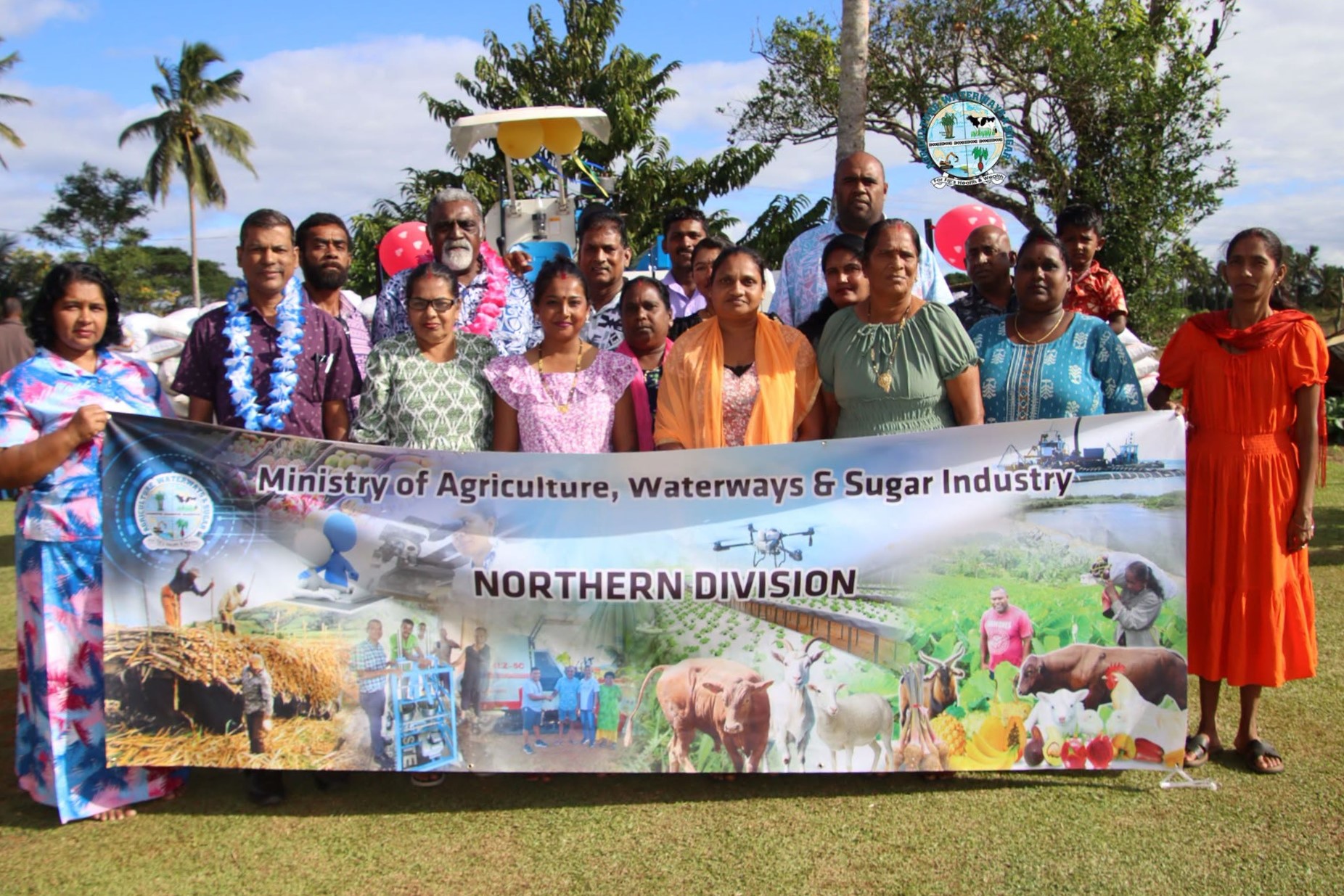
The handover formed part of the Ministry's work to help farmers access equipment that may otherwise be difficult for small groups to afford.
For the Malawai Central Farmers Cooperative, the shared machine is expected to support a more organised approach to harvesting across members' farms.
The harvester is expected to reduce labour demands, save time and improve harvesting efficiency.
Members also hope it will allow them to increase production and expand their farming operations in coming years.
The cooperative's women members continue to balance long hours in the rice fields with responsibilities at home, including caring for children, preparing meals and supporting their families.
"As women, our work does not stop when we leave the fields," Ms Devi said.
"We still have to look after our children, prepare meals, clean the house and make sure our families are cared for.
"We do this because we want a better future for our children and our communities."
The cooperative has become an example of community-based farming and the role women are taking in Fiji's agricultural sector.
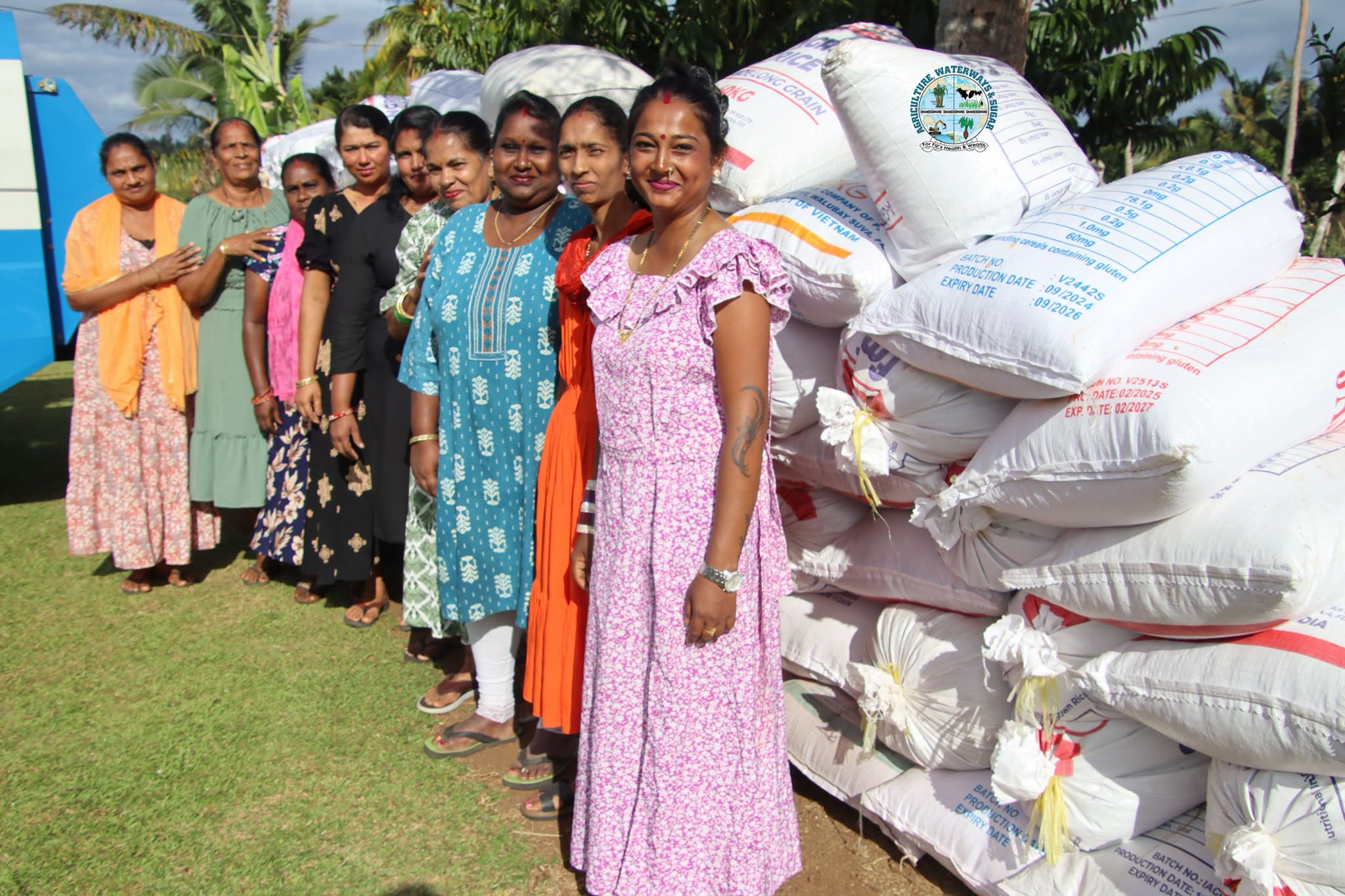
Mr Tunabuna acknowledged the members during the handover ceremony and encouraged them to continue developing their operations.
"Your story is truly inspiring," Mr Tunabuna said. "The dedication you have shown, not only in the rice fields but also in balancing your responsibilities at home and within your communities, is commendable.
"You are demonstrating that when people work together towards a common goal, great things can be achieved."
Mr Tunabuna said the cooperative reflected the government's focus on supporting farmers through collaboration, innovation and access to modern equipment.
The Ministry said the cooperative showed how farmer groups could improve productivity while creating opportunities for women to take leadership roles and contribute to household income and national food security.
The cooperative plans to continue expanding its rice farming operations while strengthening food production in the north and creating a more secure future for members' families.



