


Pacific youth ministry leaders have endorsed a regional framework intended to guide youth development, investment and accountability across the region from 2027 to 2036.
The endorsement was a key outcome of the Second Heads of Pacific Ministries of Youth Meeting in Apia, Samoa, which brought together government officials, youth councils, regional organisations and development partners.
The proposed Pacific Youth Development Framework will now be strengthened before it is submitted to the Fifth Pacific Ministers for Youth Meeting in December.
Samoa assumed the chairmanship of the regional process from Fiji during the three-day meeting, placing it at the centre of preparations for the ministerial talks.
Samoa Ministry of Family and Social Affairs Chief Executive Officer Loau Donina Tili Va'a said the role carried a responsibility to turn regional commitments into practical results.
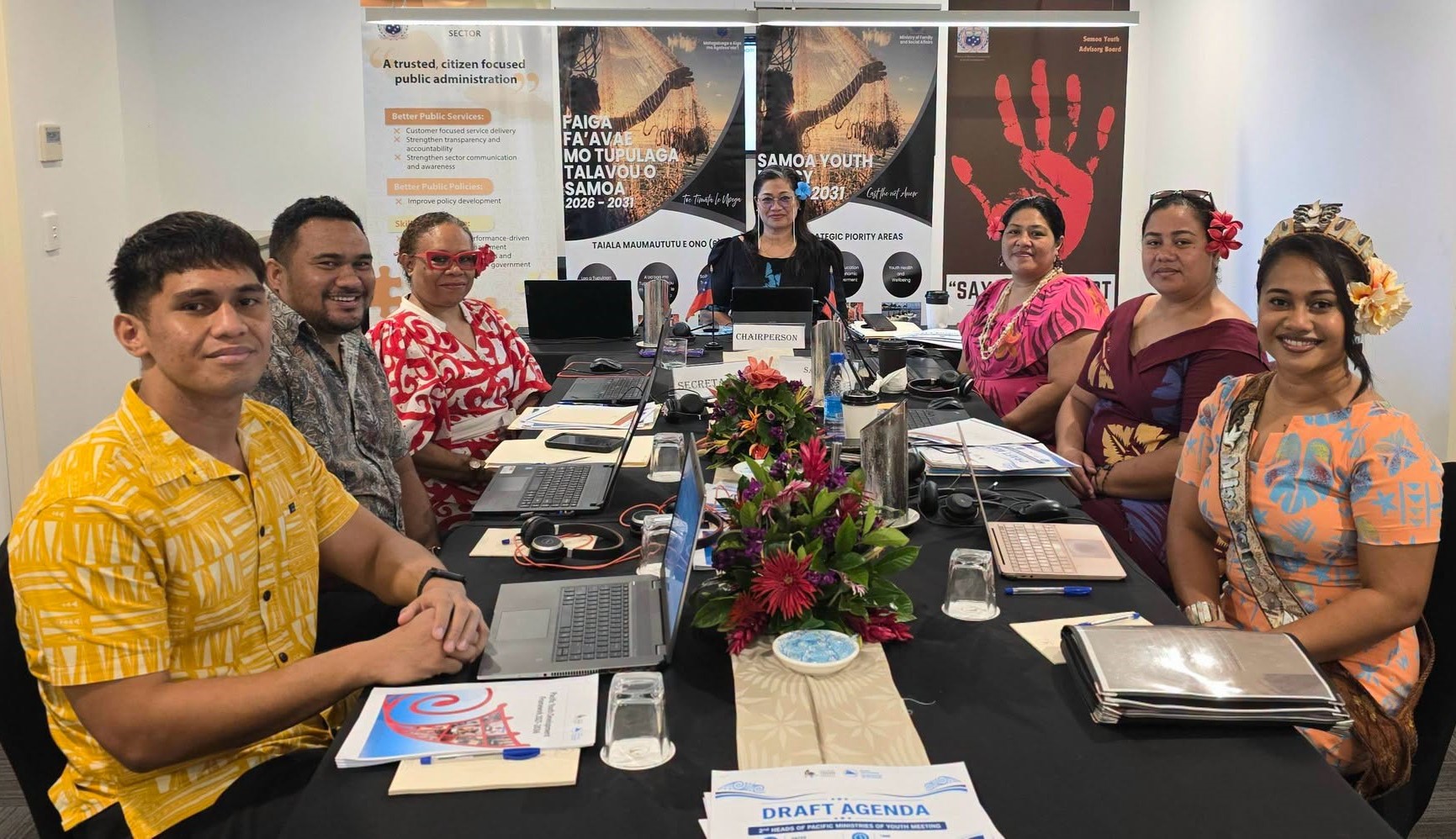
"This Chairmanship is not simply a title for Samoa to hold," Ms Va'a said.
"It is a responsibility to help move our regional commitments from paper into practice and from consultation into measurable change in the lives of our young people."
More than 15 Pacific island countries and territories participated in discussions on the framework, its implementation roadmap and arrangements for governance and accountability.
The meeting was co-chaired by Ms Va'a and Pacific Youth Council Chairperson Mahoney Mori.
Participants identified strong governance, meaningful youth leadership, national ownership, sustained political commitment and coordinated partnerships as central to implementation.
Seven thematic priority areas were considered alongside funding, monitoring and evaluation, regional partnerships and the role of national youth councils.
The handover of the chairmanship included an anthem performed by Fiji's National Youth Band to reflect the hopes and challenges embodied in the framework.
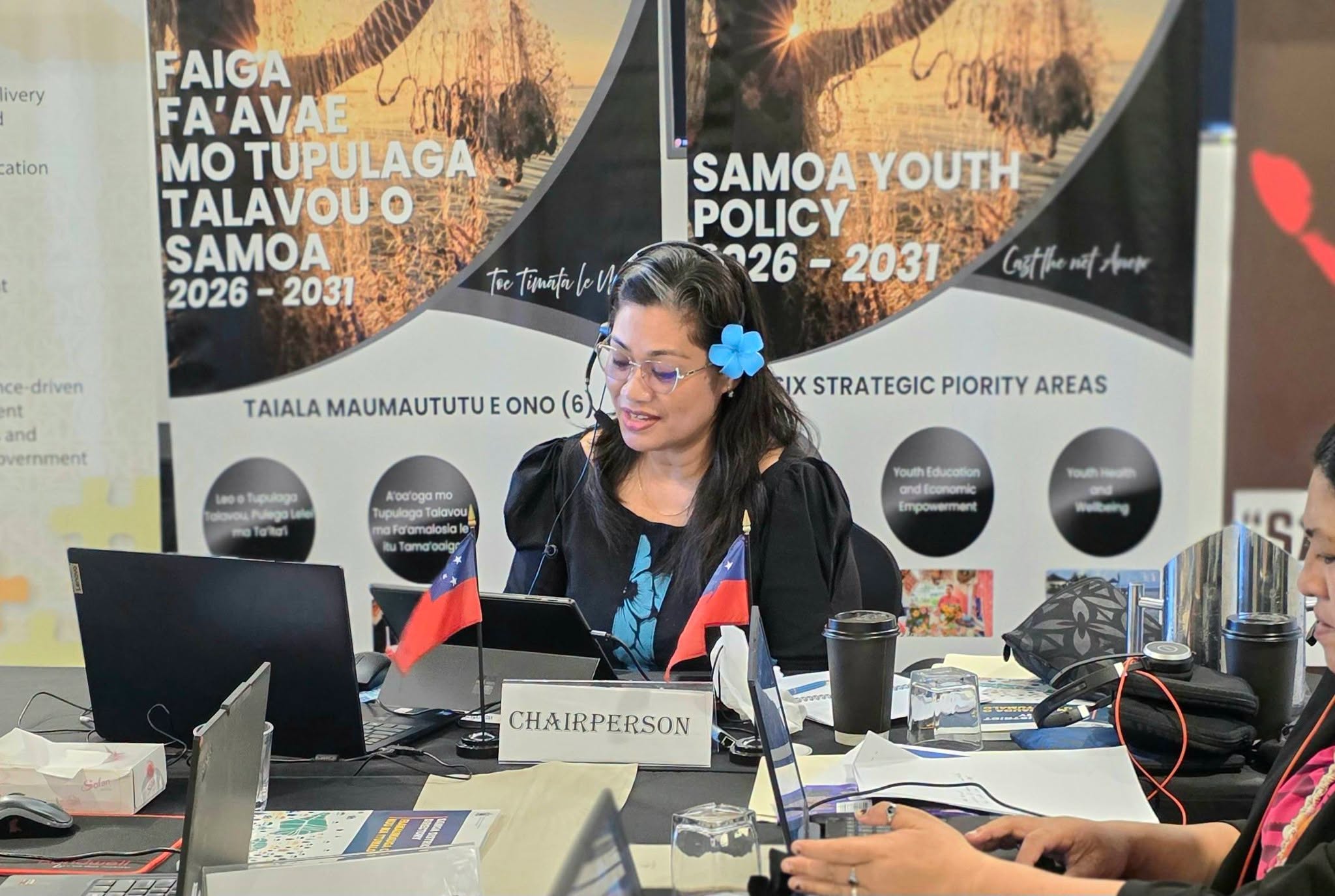
Ms Va'a said the performance reinforced the purpose of the regional process.
"[The anthem] brought the Pacific Youth Development Framework to life and reminded us that this work is not simply about policies and documents," she said.
"It is about the lives, hopes and future of our Pacific young people."
Samoa used the meeting to call for youth representation that is inclusive, credible and accountable to the people it is intended to serve.
The delegation argued young people chosen to represent national youth bodies should remain connected to diverse youth voices and be supported by clear governance arrangements.
Regular communication and reporting to national youth constituencies were also identified as necessary to strengthen transparency, trust and meaningful participation.
Heads of ministries also asked the Pacific Community (SPC) to strengthen governance arrangements and review the role and structure of technical working groups.
Any resulting changes are intended to improve coordination, effectiveness and accountability as countries begin aligning national youth policies and programs with the regional framework.
Reliable evidence and demographic data were also identified as important tools for guiding youth policy, public investment, program delivery and accountability.
Participants maintained youth development should be treated as a long-term investment in the social, cultural and economic future of the Pacific rather than a cost.
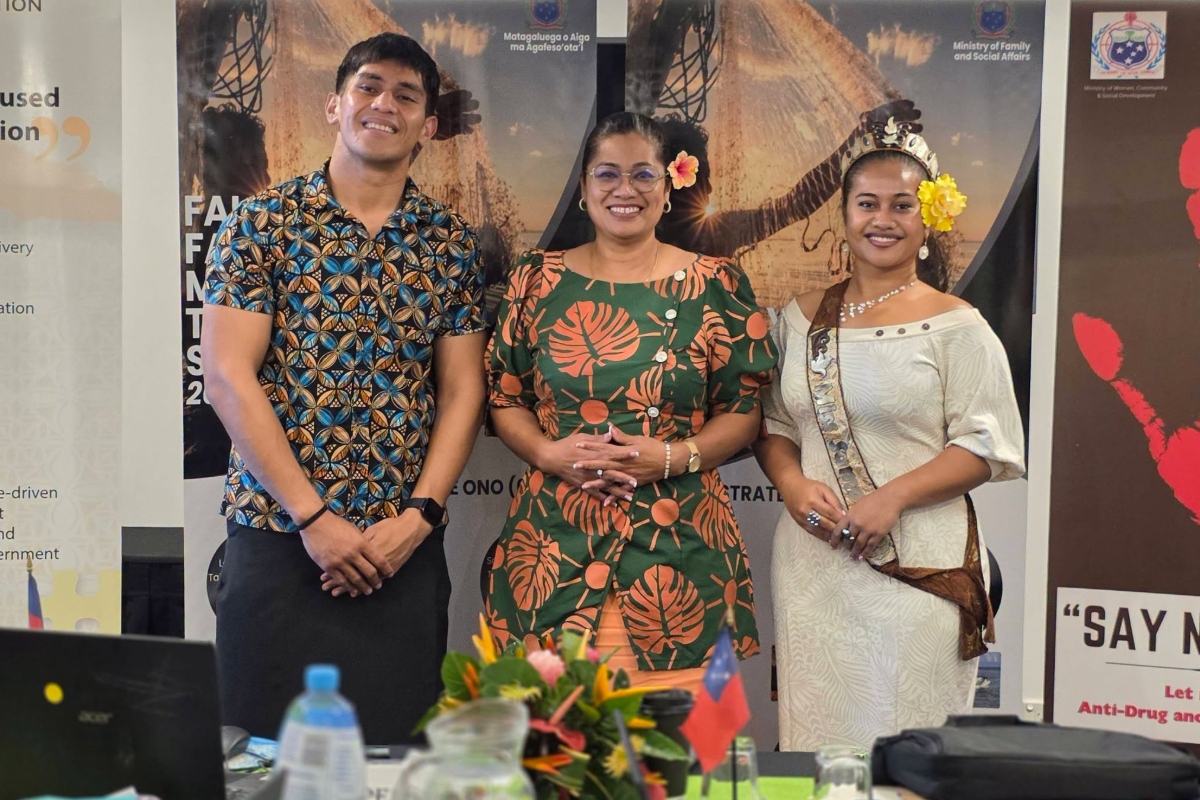
The framework is aligned with the 2050 Strategy for the Blue Pacific Continent and its focus on sustainable and inclusive regional development.
Its endorsement follows Samoa's launch of a National Youth Policy for 2026 to 2031 and the re-establishment of a national youth advisory mechanism.
The Samoa Youth Advisory Committee is intended to connect young people across the country's 51 districts with policy development, implementation and decision-making.
Samoa has also called for greater alignment between national, Pacific and Commonwealth youth priorities, with programs and resources reaching young people in villages, districts and remote communities.
The country has supported youth investment models that provide equitable resources for Small Island Developing States while maintaining clear governance and accountability.
Ms Va'a urged ministry heads to continue discussions within their countries and prepare ministers for the decisions required in December.
"As Heads of Youth Ministries, our work must now continue at home," she said.
"We must begin the internal discussions, strengthen our national partnerships and ensure that our Ministers are well informed and prepared to make the decisions required to carry this Framework forward."



