


The Marshall Islands is moving to expand its ban on single-use plastics while launching a four-year regional program to strengthen waste management, recycling and marine litter prevention.
The proposed legislative amendments would prohibit plastic straws, utensils, coloured disposable cups and plates, and clear single-use products marketed as biodegradable; building on legislation introduced in 2016 banning Styrofoam cups and plates, disposable plastic cups and plates, and plastic shopping bags.
Republic of the Marshall Islands Environmental Protection Authority (RMIEPA) Deputy General Manager Beverly Johnson described the existing legislation as a foundation for broader action.
"Our existing legislation has laid an important foundation, but the plastic products entering our markets and environment continue to evolve," Ms Johnson said.
"Expanding the Act will help address today's most common sources of plastic pollution.
"This work we do with single-use plastic is hard, but relevant and important for the country and the future of our children."
RMIEPA began consultations on the amendments during a national workshop in Majuro supported by the Australian Government-funded Pacific Ocean Litter Project (POLP).
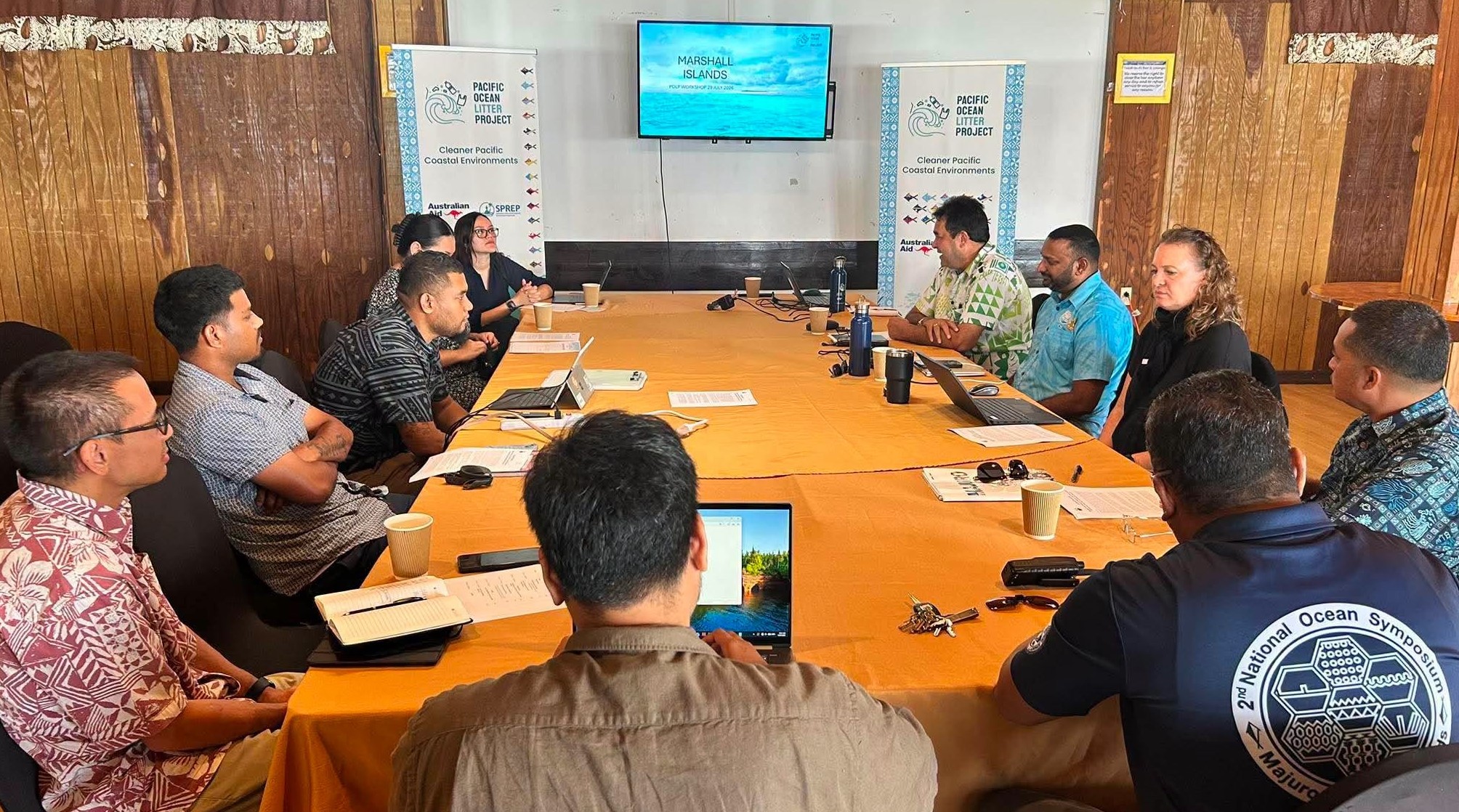
Twenty representatives from government agencies and other stakeholders attended the workshop, which also advanced plans for a national Waste Management Technical Working Group.
Limited land, increasing reliance on imported goods and constrained waste infrastructure have contributed to plastic accumulating in landfills and along coastlines.
The waste also threatens marine environments central to livelihoods, communities and the country's economy.
The proposed amendments will proceed to drafting before Cabinet consideration and wider consultations involving government agencies, businesses and communities.
Community consultations and school outreach will accompany the legislative process, with a focus on women, young people and vulnerable groups.
POLP Project Manager Andrea Volentras highlighted the need to combine legislation with community awareness and participation.
"Laws create the framework for change, but lasting impact happens when communities understand why change matters and are empowered to be part of the solution," Mr Volentras said.
"By combining stronger legislation with education and awareness, we can help people understand the proposed changes, the impacts of plastic pollution on our environment, and the practical actions they can take at home, in schools and across their communities."
The legislative reform is being advanced alongside the launch of the CleanSeas - Marine Litter Prevention in Pacific Island Countries program.
RMIEPA launched the program with the Secretariat of the Pacific Regional Environment Programme (SPREP), Deutsche Gesellschaft für Internationale Zusammenarbeit (GIZ) and the Pacific Community (SPC).
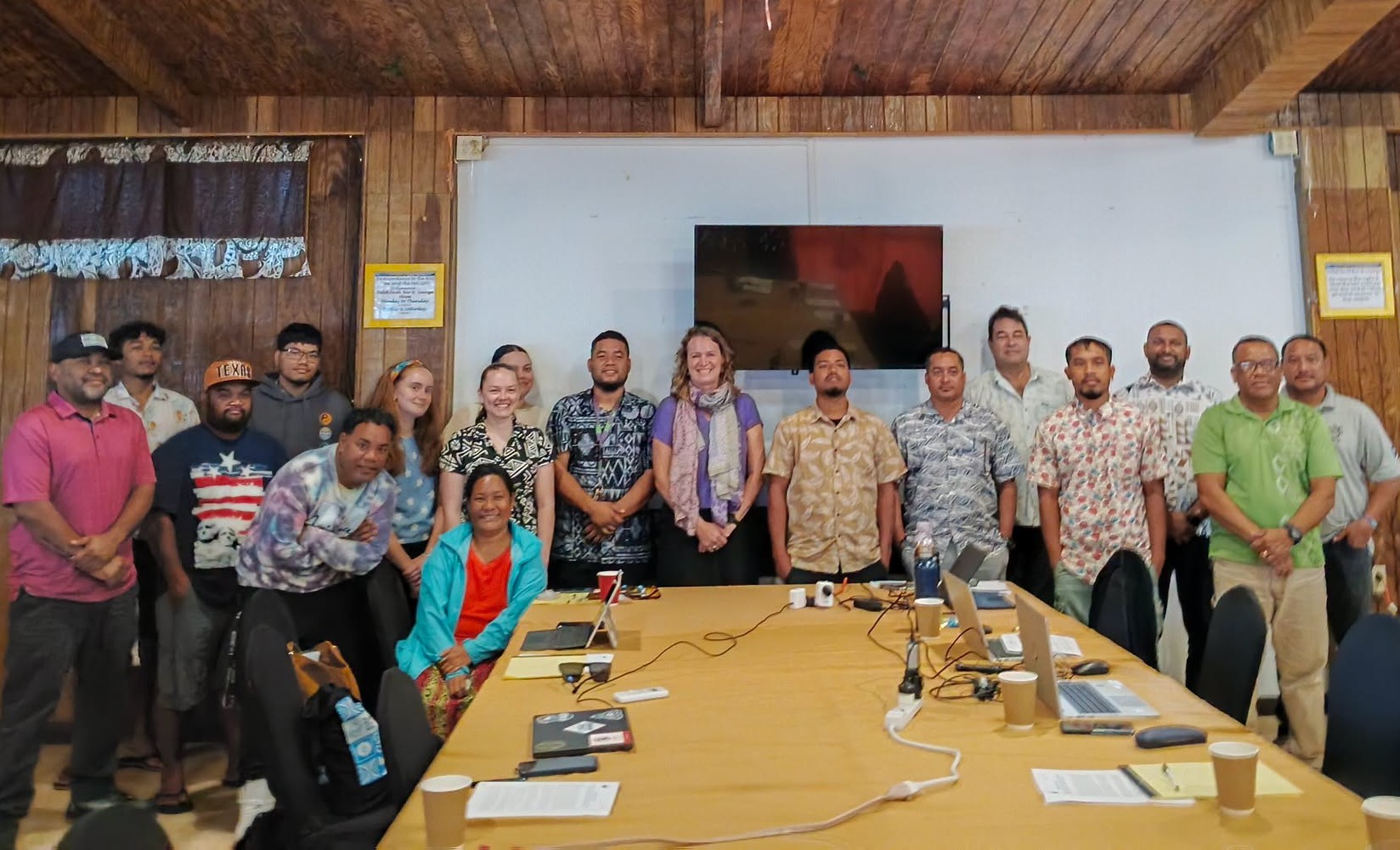
A national inception workshop brought together representatives from government, civil society, business, maritime and tourism sectors to establish priorities for implementation over the next four years.
Participants identified the development of a National Plastic Action Plan and a national inventory examining how plastic enters, moves through and leaves the country.
Other priorities included stronger digital waste information systems, expanded recycling, marine litter monitoring and improved disaster waste management.
The workshop also considered abandoned fishing gear and ghost nets, microplastics in freshwater and wastewater, and marine litter moving across national boundaries.
Ms Johnson said the program would strengthen national efforts to reduce plastic pollution.
"The CleanSeas project gives us an opportunity to move beyond identifying the problem and focus on delivering solutions," she said.
"By improving our waste systems, strengthening data collection, expanding recycling, and empowering communities to take action, we can significantly reduce plastic pollution and better protect our marine environment."
The Marshall Islands has already introduced a Container Deposit Scheme and supported community-led coastal clean-ups, but recycling opportunities remain largely limited to polyethylene terephthalate bottles and aluminium cans.
The program will also use monitoring, Earth observation technology, drone surveys and geospatial analysis to better understand the movement of plastic across island and ocean environments.
GIZ South Pacific representative and CleanSeas head Frauke Bartels said partnerships would be central to the program.
"Marine litter is a shared regional challenge that requires strong national leadership and broad partnerships," Ms Bartels said.
"Through CleanSeas, we aim to support the Marshall Islands in strengthening policies, improving waste management systems, engaging businesses and communities, and protecting the marine environment that is central to livelihoods, culture and economic development."
Youth organisations, women's groups, tourism operators, fisheries agencies and businesses are expected to contribute to projects aimed at reducing waste while supporting sustainable livelihoods.
The outcomes of the inception workshop will inform a national CleanSeas work plan designed to complement existing legislation, programs and investments.
The CleanSeas program supports the Pacific Regional Action Plan on Marine Litter, the Cleaner Pacific Strategy and regional participation in negotiations towards a legally binding global agreement on plastic pollution.



