



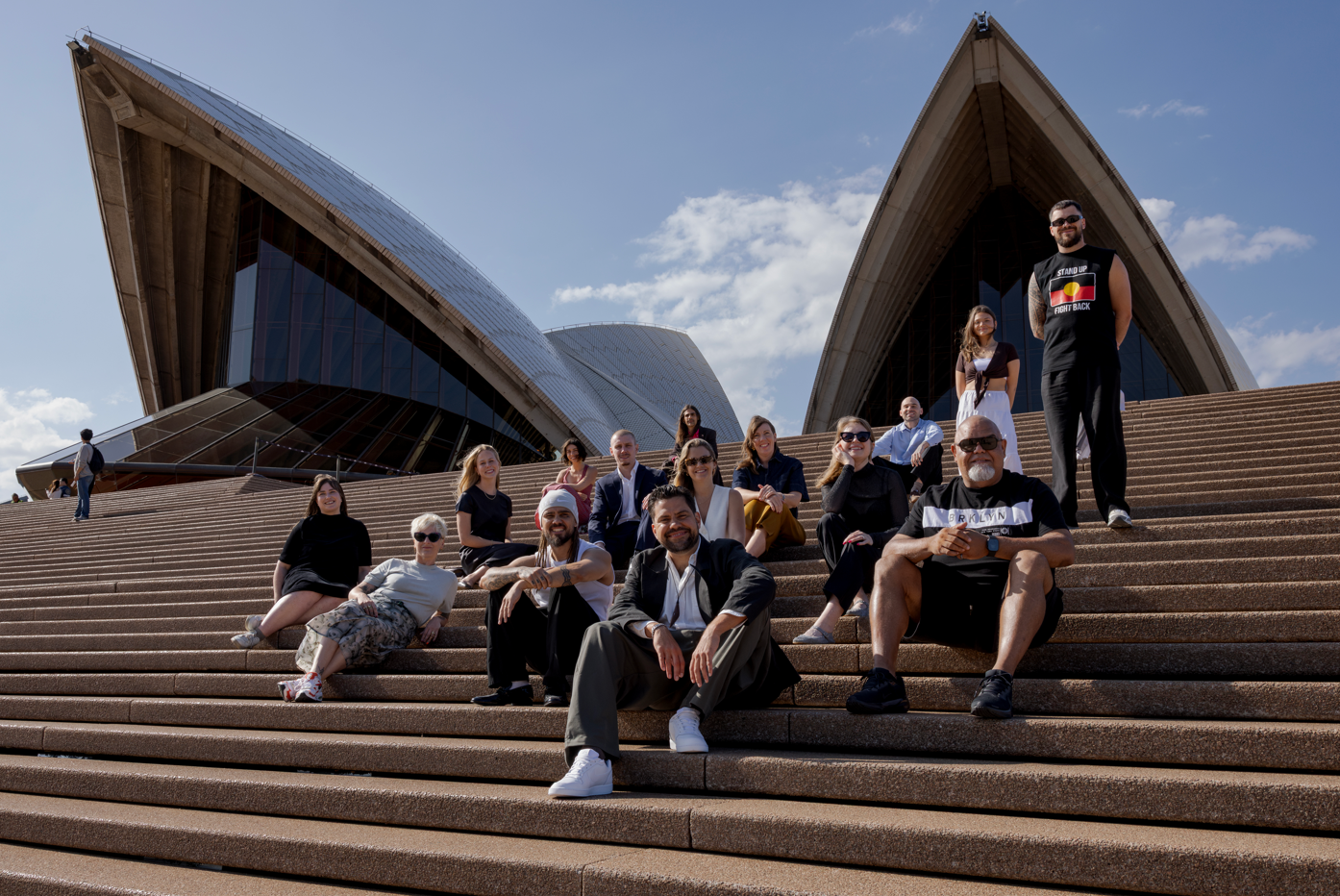
A documentary exploring the experiences behind Australia's First Nations incarceration and deaths-in-custody statistics has received a standing ovation at its sold-out NSW premiere at the Sydney Opera House.
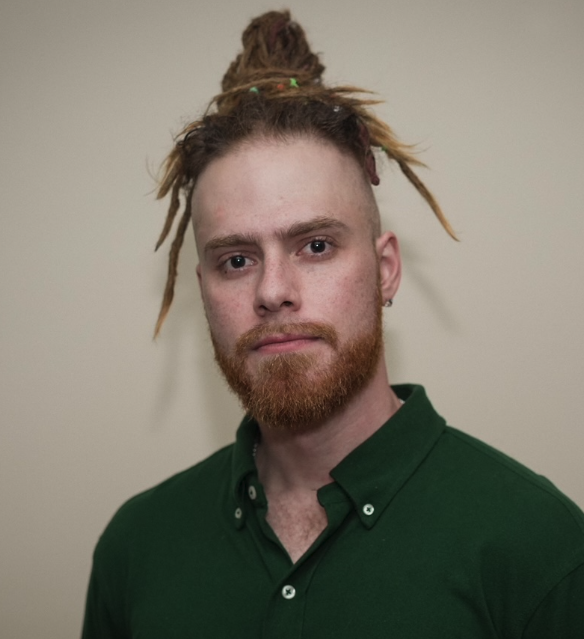
'Facing the Numbers', directed by Indigenous filmmakers Kieran Satour (Malngin, Pertame and Worimi) and Tyson Perkins (Arrernte and Kalkadoon), screened to more than 400 people on Tuesday.
The premiere followed screenings at the Melbourne International Film Festival and the Mparntwe Alice Springs International Film Festival.
Produced by Indigenous-owned production company GARUWA in partnership with Common Ground and Revolver, the documentary uses personal testimonies, cinematic recreations, dance and music to explore the experiences of Aboriginal people and families affected by incarceration.
In 2024, Indigenous people accounted for 36 per cent of Australia's prison population, despite representing 3.8 per cent of the national population.
Mr Satour hopes the documentary will help audiences connect with the people behind those statistics.
"This film is really all about telling our stories in a different way, in a way that humanises all these incredible people. To connect with people on a human level," he said.
"It's really about the strength of the human spirit."
Six survivors of the Kinchela Boys Home feature in the documentary, sharing their experiences of being forcibly removed from their families and the ongoing impacts of institutionalisation.
They include Uncle Widdy Welsh (Number 36), Dunghutti man Uncle Harry Ritchie (Number 56), Uncle Richard Campbell (Number 28), Gumbaynggirr man Uncle Roger Jarrett (Number 12), Gamilaroi man Robert Paul Young (Number 24) and Uncle Allan Cooper (Number 7)
Uncle Harry believes the documentary will help Australians understand what happened to Aboriginal children taken from their families.
"The film is about KBH (Kinchela Boys Home) and The Numbers, you know that's the name of the show and it's to put it out there: what happened in KBH and all those other institutions where kids were taken away, where they were kidnapped instead of stolen," Mr Ritchie said.
"They say it's a Stolen Generation but it's a Kidnapped Generation. When you take a child it's kidnapping, you know? The more it's out there and the people learn about it, that makes us, that heals us."
Mr Young recalled how children at Kinchela were assigned numbers instead of being addressed by their names.
"When I was young in the boy's home, I was known as Number 24," he said.
"But we got around those numbers - we all had nicknames. My nickname was bullfrog so at least we had a name."
He also described the treatment children experienced under former military personnel working at the institution.
"Get the truth out, what really happened in that home. It was terrible. The way we were treated," Mr Young said.
"They were ex-military officers that were looking after us. They brought their trauma to us young kids. You will see a lot of it in the film."
Uncle Roger also challenged the terminology used to describe the removal of Aboriginal children.
"We were actually kidnapped," Mr Jarrett said.
"You can steal a car, steal a TV, but when you take a kid without permission - which they did - in English law, that is kidnapping. It's just great to be here with our brothers to see what they put up on this screen."
Kinchela Boys Home Aboriginal Corporation CEO Dr Tiffany McComsey highlighted the connection between the institution and ongoing incarceration across generations.
"Two of the individual deaths investigated as part of the Royal Commission into Aboriginal Deaths in Custody were Kinchela Boys Home Survivors," Dr McComsey said.
"Too many KBH Survivors have experienced the incarceration of their descendants, children, grandchildren and great grandchildren."
She called for greater investment in community-led healing programs to address these impacts.
"This multigenerational overrepresentation of First Nations Australians in the juvenile and adult prison systems must stop," Dr McComsey said.
"Community led, trauma-informed healing programs that break these cycles need to be invested in. No gap can be closed without this investment."
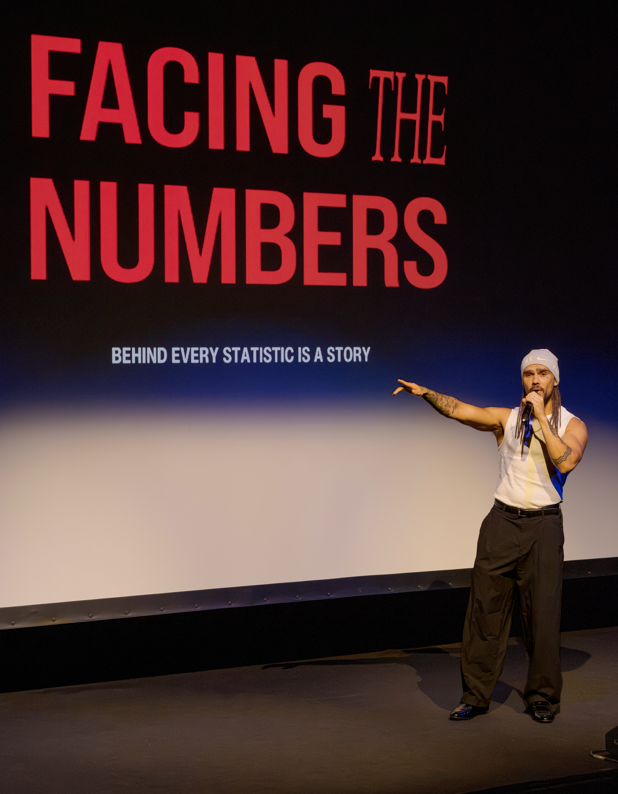
The screening included a Q&A with the filmmakers and performances from Gomeroi artists Kobie Dee and Kyla-Bell Roberts and DMA'S guitarist Matt Mason.
Mr Mason composed and produced a cover of Sinéad O'Connor's Black Boys on Mopeds for the documentary.
Guests included Kaytetye filmmaker Warwick Thornton and his daughter Rona Glynn-McDonald, whose organisation Common Ground executive produced the film.
'Facing the Numbers' will next screen at the Festival du Cinéma Aborigène Australien in Paris in December.



