


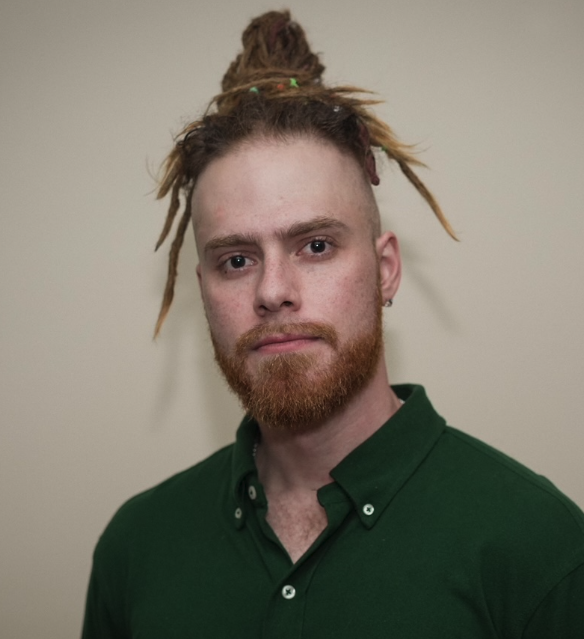

Jirrbal Traditional Custodians are returning to parts of their Country in Far North Queensland after generations of restricted access, as Bush Heritage Australia works to secure more than 20,000 hectares of land known as Wooroora.
The conservation organisation has launched its largest fundraising appeal in 35 years, seeking the final $5.3 million needed to purchase and begin protecting the property, about 100 kilometres south-west of Cairns.
The proposed acquisition would provide opportunities for Jirrbal people to reconnect with Country, protect cultural heritage and work alongside Bush Heritage in managing the land.
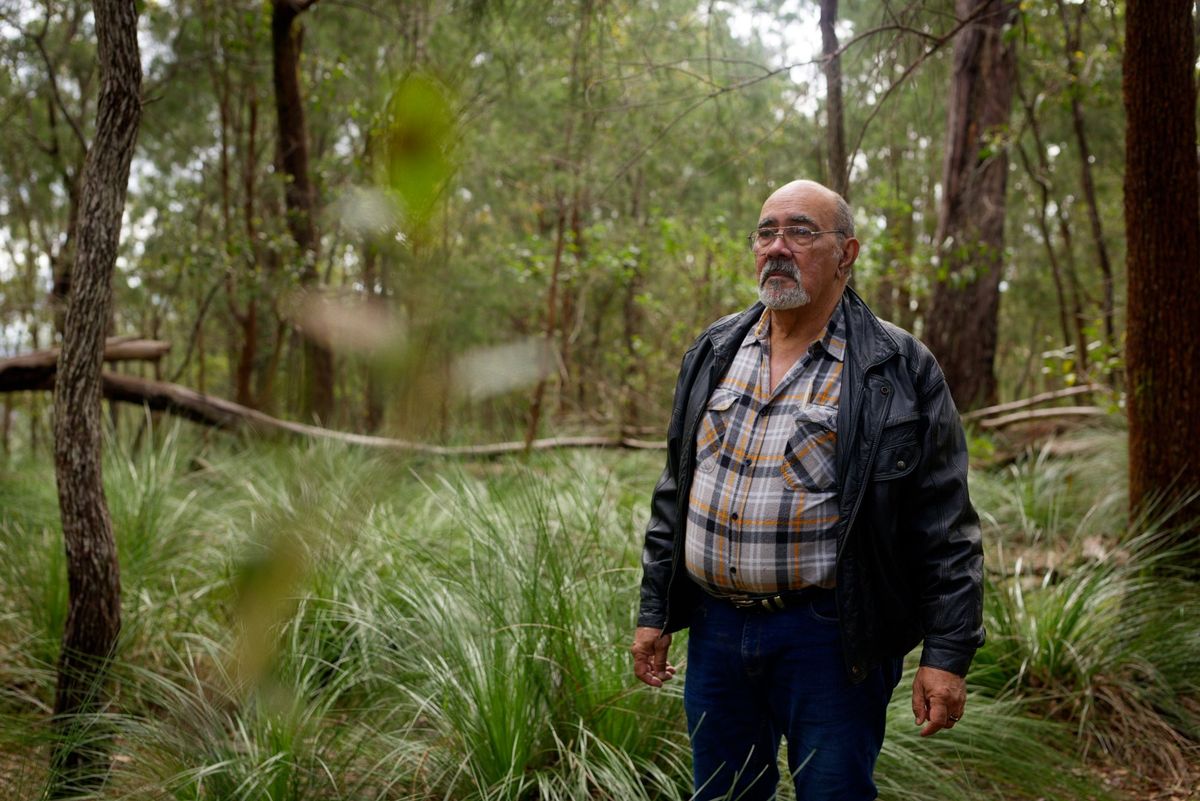
Senior Jirrbal Elder Uncle Kurt Noble recently visited Wooroora with Bush Heritage representatives, rangers and other Traditional Custodians.
His great-grandmother was born on the property, but he had never visited the land himself until the recent trip.
Uncle Kurt reflected on his family's connection to Wooroora and the significance of returning.
"There are a lot of stories within the family connected to this country. Some of the Dreamtime stories as well as a little bit of the history as well," Mr Noble said.
"I myself have never had the opportunity to come back here until now, which is really great."
For generations, private land ownership has restricted Jirrbal people's access to the area, although families have continued sharing stories and cultural knowledge.
Mr Noble hopes the proposed purchase will allow Traditional Custodians to visit more regularly while protecting cultural and environmental values.
"It's nice to know that we're able to not only have access, but the land is also going to be looked after," he said.
"Not just the environmental side, but also the cultural values of our land will also be able to be looked after and restored in a lot of ways."
The return to Country could also create opportunities for Jirrbal rangers and young people to work alongside Elders through cultural camps and other activities.
He wants younger generations to learn about their language, songs, totems and cultural sites through time spent on Country.
"There's been talks about having camps out on country where we have the elders and the young people all together, passing on those stories, passing on the information," Mr Noble said.
"Being able to be on country and have access to country just strengthens all of us."
Jirrbal Traditional Custodian and Wabubadda Aboriginal Corporation Chairperson Liam Roberts also joined the visit, describing Wooroora as an important connection between rainforest and dry Country.
The property contains waterways, traditional pathways and cultural sites connected to generations of Jirrbal occupation.
Mr Roberts hopes more community members will have opportunities to reconnect with their cultural heritage.
"I really wish I could share this with more Jirrbal people. It's, I guess, my key takeaway," he said.
"This is a key part of country that we can't find anywhere else. All the ecosystems are very unique."
The corporation has established a ranger program, with Traditional Custodians hoping to expand their work across Wooroora and neighbouring areas.
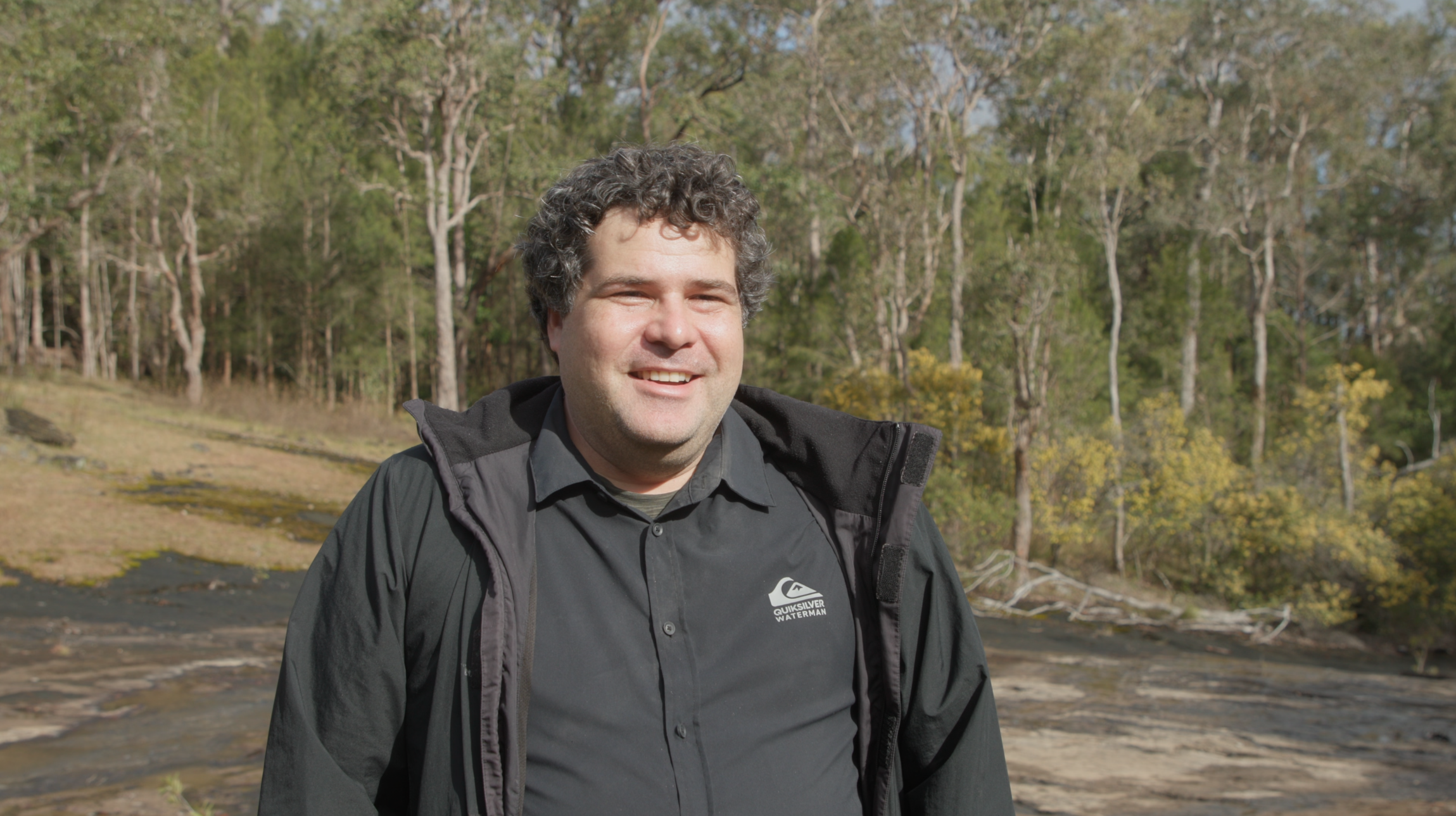
Mr Roberts sees opportunities for joint planning, cultural heritage surveys, environmental management and funding partnerships with Bush Heritage.
"We could come out here and do planning days. We could pool our resources to jointly manage the station better," he said.
"We could go in for joint funding."
Mr Roberts also wants Elders and younger generations to spend more time together on Country, allowing cultural knowledge to be shared through visits and camps.
"The opportunity to come out here and to have camps is the opportunity to share stories and hear things you haven't heard told to you by the elders and the older generation," he said.
Kooma man and Bush Heritage's North Region Aboriginal and Torres Strait Islander Partnership Manager Ross Mitchell, has been working with Jirrbal Elders and Traditional Custodians throughout the process.
He told National Indigenous Times that establishing relationships and respecting cultural authority were central to the organisation's approach.
"The stories they tell - you can just feel the empowerment they've given and respect that's shown of having that opportunity to reconnect," Mr Mitchell said.
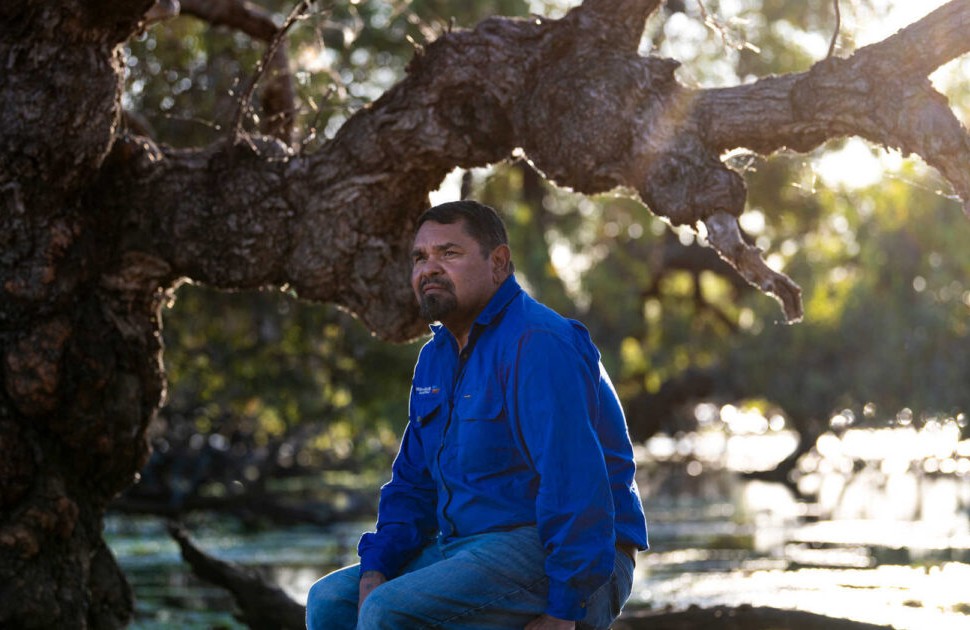
He believes the partnership must recognise the connection between cultural knowledge, conservation and the spiritual importance of Country.
Rather than working separately, Mr Mitchell wants Bush Heritage and Jirrbal Traditional Custodians to develop their plans together.
"We don't separate things. Everything goes hand in hand, especially the conservation, our cultural and spiritual and environmental all goes hand in hand," he said.
"We can't do it alone. Now we've got to combine the Western science with the Aboriginal science and continue that journey together."
Mr Mitchell also hopes the partnership will create opportunities for young Jirrbal people to learn from Elders and reconnect with their songlines and traditional practices.
"A lot of people say that we've lost it - we just haven't," he said.
"We just don't practice enough because of not being back on the country. But now we've got the opportunity to get back on Country."
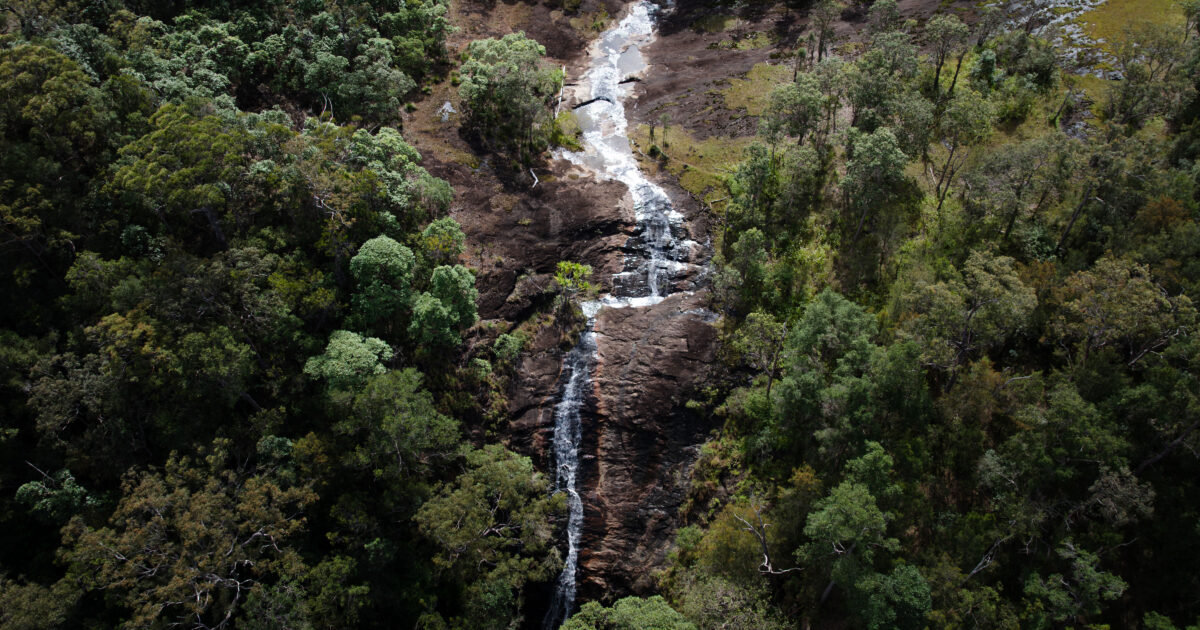
Wooroora covers 20,333 hectares and borders Bush Heritage's existing 43,575-hectare Yourka Reserve.
Its purchase would create a connected 63,833-hectare protected area and help complete a 429,000-hectare conservation corridor linking Koombooloomba and Tully Falls national parks.
The property supports at least 12 threatened species, including southern cassowaries, Lumholtz's tree-kangaroos, northern greater gliders and red goshawks.
Bush Heritage needs to raise the remaining $5.3 million by December 24, with supporters pledging to match the first $2.245 million donated.
Despite the fundraising challenge, Mr Mitchell remains confident the purchase will succeed.
"I believe in the people of Australia and abroad that they'll come on board and we'll definitely make that," he said.
"My old saying, 'if you don't have a go, you never ever know'."
People wanting to support the Wooroora fundraising campaign can donate or find more information through the Bush Heritage Australia website.



