




Gomeroi Professor, Heidi Norman's new book, Land Back: Aboriginal Land Rights in New South Wales, Today and Always, examines the evolution of land rights since the passing of the NSW Aboriginal Land Rights Act in 1983.
Bringing together 34 contributors across 18 chapters, the book reflects on past achievements, ongoing challenges, and the future of land rights in NSW.
Professor Norman explained that land rights laws vary across the country, and NSW has a unique system compared to other states and territories.
"Across the country, it's a very complex patchwork of land rights laws and then, of course, native title," she said.
"The focus of this book, Land Back, is on the last more than 40 years… what have been the key issues, what is outstanding business, and what the future might hold."
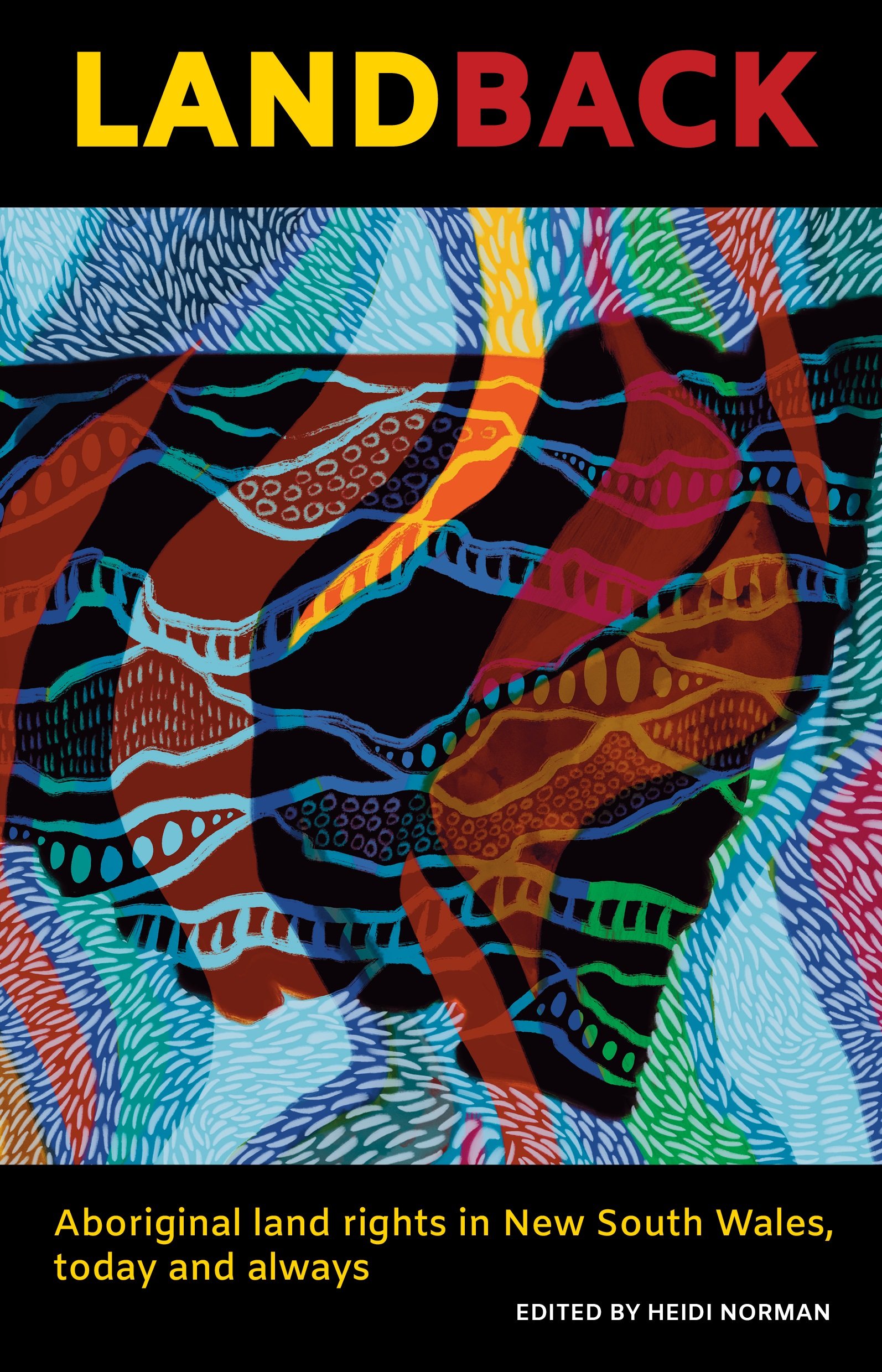
The book is divided into four sections: how land rights operate, unresolved issues, future directions, and reflections on leadership.
A key feature of the NSW Aboriginal Land Rights Act is its mechanism for land recovery, which does not require proof of traditional connection.
"It created a relatively straightforward land repossession mechanism," she explained.
"Is this land available? Is it not needed for essential public purpose? If not, it goes to the Land Council."
Despite this, many challenges remain. Ms Norman pointed out that while the Act was groundbreaking at the time, it has limitations that restrict the ability of Aboriginal communities to fully benefit from land recovery.
"Because of the land that we've been able to recover, about as much as 80% of the land in New South Wales is of its own some sort of conservation," she said.
"In some places that might be good, but in other places that really limits your ability to develop the land, say for residential development or activate your land for economic benefit."
Another major issue explored in the book is the lack of cultural heritage protections.
"That's never been properly recognised in New South Wales," she said.
"It continues to be controlled by National Parks and Wildlife Service, which, in 1978, the old people were absolutely yelling their guts out about… and it still hasn't changed."
The book also highlights the omission of water rights from the NSW land rights framework.
"What was being asked for was more than just the dirt—it was for water as well," Ms Norman explained.
"In terms of lakes, rivers, access to creeks and waterways that were of dreaming sites… the very low level of water entitlements that have been recognised is a really good point that some of the authors raise."
The contributors to Land Back include Aboriginal academics, lawyers, and young leaders from the Land Council network.
Among them, lawyer Ash Walker explores how land rights and native title could be better aligned and considers what a treaty might look like.
Another chapter, written by honours student Eva, examines the role of women in the land rights movement.
"There is about 55% of the membership of the land rights system [that] are women, but we've got very low representation when it comes to leadership roles," Ms Norman said.
"For the most part, I think there's only ever been one woman elected as chairperson of the Land Council, and only one woman CEO."
Ms Norman was clear that the book is not about criticising the land rights system but about fostering discussion and recognising the efforts of those who have fought for land rights.
"Land rights was passed in 1983—it's not a magic bullet to undo more than 200 years of dispossession," she said.
"But I think it's a phenomenal story of how Blackfellas work hard to set things right, even within these imperfect systems."
The book is available for pre-order now.



