


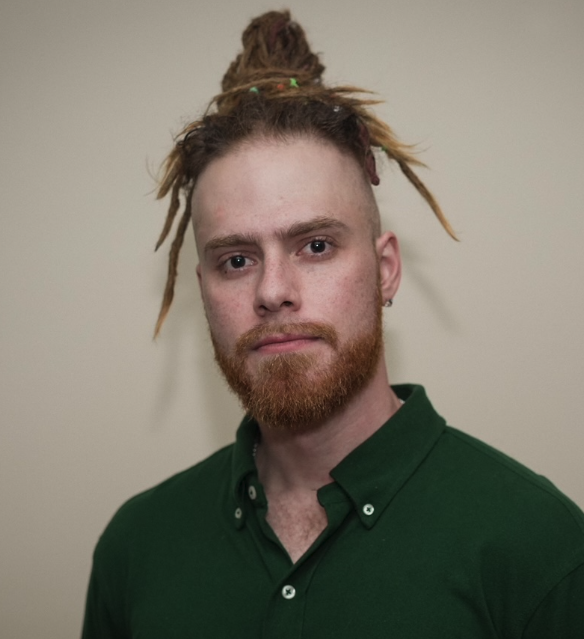

With January 26 approaching, Bardi Elder Aunty Munya Andrews and Evolve Communities' Carla Rogers encouraging Australians to focus on Survival Day and hold honest conversations about what the date represents.
The pair work together on cultural education for communities and workplaces, with a focus on listening and practical action.
For Aunty Munya, January 26 is tied to grief and memory.
"For me personally, it's a day of mourning and remembering our fallen ancestors," she said.
"The ones that were massacred and cultures decimated.
"It's a day of sadness and it's a day of reflection as to look back upon."
Aunty Munya described the day as complex, with competing views across the country, while warning that pain and healing remain present.
"There are many differing viewpoints in in Australian society and I accept that," Aunty Munya said.
"But for me, it's important to not forget the past because the past lives on in the future
"There's a lot of sorrow and there's a lot of healing still to be done."
Ms Rogers said her view of January 26 shifted as she learned more about its history and impact.
"For me as a Non-indigenous person my understanding of the day and relationship with it has really changed over time," she said.
"Where I'm at now, it's a day of for me. It's a day of of deep sorrow.
"We're choosing to celebrate on a day where we're asking our First Nations people to put aside their grief."
Both women note the focus should move beyond positions about the date and into a clearer discussion about values, including connection and belonging.
"Our position always is 'let's have a conversation first about What values we want a national day to reflect,'" Ms Rogers said.
The approach Evolve Communities takes is built on curiosity rather than blame.
"We have a no-blame shame philosophy and we teach people how to have those conversations in approaching them with curiosity," Ms Rogers said.
"It's really about curiosity and just just listening to each other."
Evolve also believes in the Aboriginal practice of Dadirri, or 'deep listening' and how it can guide Australians toward understanding and unity.
"It's a meditative practice or cultural meditation," Aunty Munya said.
"The idea is basically that it's deep listening - listening to country, the environment ... and on a deep spiritual level.
"It's about opening our hearts and our minds to country all that it has to teach us and all that we have to learn from it."
Evolve Communities points to allyship as a way to reduce the burden on Indigenous people to explain the significance of the day each year.
Alleviating the cultural or colonial load on Indigenous people is something Ms Rogers deems as important for an ally to understand.
"We've got to equip allies to stand up and and and not speak for or over but to take Responsibility for what we can do about change," Ms Rogers said.
While Aunty Munya said: "We need you as allies".
Rallies and marches will be held across the country on January 26, with Indigenous communities and supporters gathering to mark Survival Day and protest the ongoing impacts of invasion.
Invasion Day / Survival Day rallies - January 26
Boorloo (Perth)
12pm, Forrest Place
Djilang (Geelong)
11am, Market Square Mall
Gadigal Country (Sydney)
10am, Hyde Park
Gimuy (Cairns)
9am, Fogarty Park
Kabi Kabi Country (Sunshine Coast)
9am, Foundation Square, Maroochydore
Kaurna Yerta (Adelaide)
11.30am, Tarntanyangga (Victoria Square)
lilmilinaturi (Devonport)
11.30am, Tulaminkali Health Service
Magandjin (Brisbane)
10am, Queens Gardens
Mildura
11am, Langtree Mall
Muloobinba (Newcastle)
9am, Civic Park
Naarm (Melbourne)
11am, Parliament House
Nipaluna (Hobart)
11am, Tasmanian Aboriginal Centre
Yuwi Country (Mackay)
8am to 1pm, River Wharves Mackay



