



Early intervention teams are delivering hearing screenings to children at rural schools across Queensland's North Burnett region to identify health concerns before they affect learning and development.
Two teams of Indigenous health workers from Wide Bay Hospital and Health Service are visiting schools across the area.
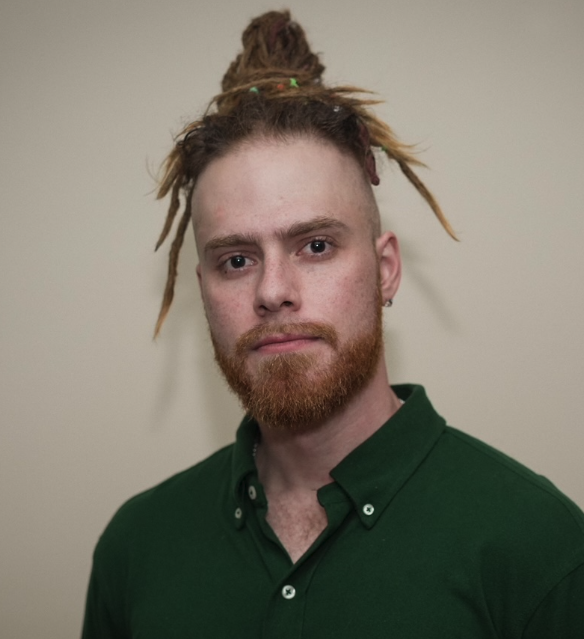
Aboriginal and Torres Strait Islander Advanced Health Worker David Blucher and Senior Aboriginal and Torres Strait Islander Health Practitioner Oriel Chambers work with schools in Eidsvold, Childers, Biggenden and Gin Gin.
The pair provide hearing screenings for students from Prep to Year 3, as well as children up to Year 6 who have been identified by their school as having possible hearing concerns.
Each screening involves examining the child's ear and conducting audiometry testing to check which frequencies they can hear.
The results are recorded, with any abnormalities referred for further review or to a GP or specialist.
Students are also taught nose blowing and hand washing techniques to support personal hygiene.
Mr Blucher is a descendant of the Wulli Wulli Nation from the Dawson area and the Wakka Wakka Nation from the South and Central Burnett.
His cultural and community connections help him build trust with families across rural and remote communities and said his local connections supported his work.
"I am from a well-known Aboriginal family in the local area with connections in most of the communities throughout the district," Mr Blucher said.
"First Nation families know me for my professionalism and non-biased approach to my work and the people that I care for, regardless of age and cultural affiliation.
"I love my job and the locations. I enjoy the challenges and the rewards of a 'thank you' when I've helped someone, whether it's a work colleague, patient, client or community member."
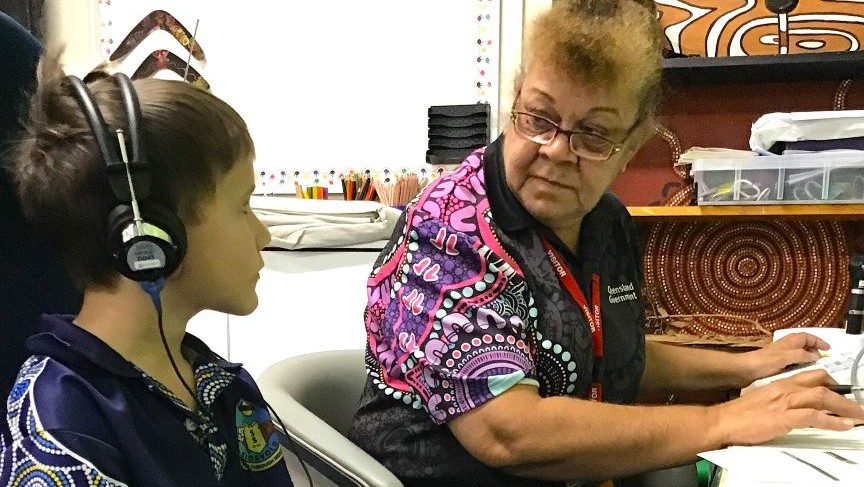
Ms Chambers is a Wakka Wakka woman who was born in Eidsvold and grew up in Mundubbera.
Her existing relationships with local families have helped her build trust through her work as a health worker and health practitioner.
She said these relationships helped community members feel comfortable accessing care.
"Being a local Aboriginal lady, people already know me," Ms Chambers said.
"I built that trust and relationship when I was working as a health worker before transferring to become an Aboriginal and Torres Strait Islander Health Practitioner."
Ms Chambers' work focuses on supporting communities, reducing health inequities and helping Aboriginal and Torres Strait Islander people feel culturally safe when dealing with the healthcare system.
Building trust, advocating for families and supporting long-term improvements in health continue to drive her work.
Early detection can help prevent hearing problems from affecting children's speech, education and participation in the classroom.
Ms Chambers said Aboriginal and Torres Strait Islander children faced high rates of ear disease.
"Aboriginal and Torres Strait Islander school students experience some of the highest rates of ear disease globally which is primarily driven by chronic middle ear infections," Ms Chambers said.
"Early hearing detection programs make a profound difference across several key areas including the prevention of learning gaps, minimising classroom disengagement, boosting speech milestones, and fast-tracking referrals to specialists.
"The successes are rewarding and are measured when we see an improvement in a child's recovery and learning."



