


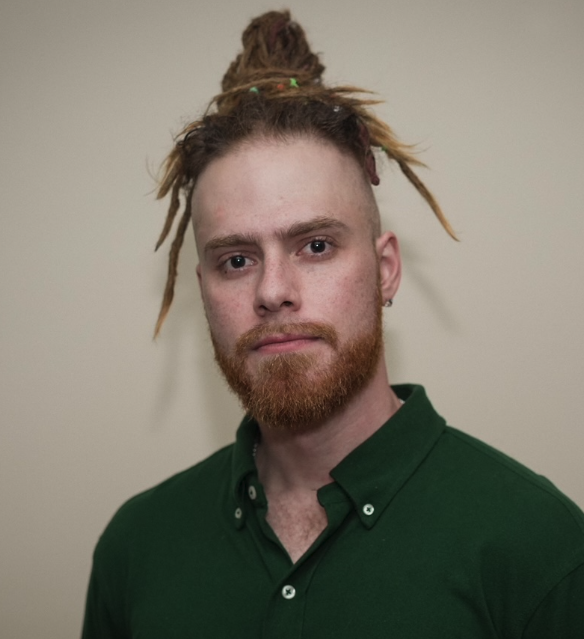

Marine Rescue Queensland (MRQ) Masig Unit Commander Loice Naawi is working to strengthen marine rescue services in the Torres Strait, with a focus on local knowledge, community involvement and encouraging more women to volunteer.
Based on Masig Island, also known as York Island, Ms Naawi leads a volunteer unit serving a community of around 300 people in the central Torres Strait.
Boat travel is an essential part of daily life for residents, connecting families and communities across neighbouring islands.
However, the distances between islands and changing conditions at sea can make marine emergencies difficult to respond to, increasing the importance of locally based rescue services.
Ms Naawi has witnessed the impact of lives lost at sea and believes having rescue units based within island communities is essential.
She explained why she volunteers and the importance of maintaining local rescue services.
"We're seafarers. We like to travel on the sea, and there's been incidents on the water," Ms Naawi said.
"That's why I think it's very important having a marine rescue unit based on the islands.
"We need to have a unit based in the Torres Strait because of loved ones that we've lost out at sea."
Alongside her responsibilities with MRQ, Ms Naawi works full-time for the Torres Strait Island Regional Council and volunteers with Queensland Fire and the State Emergency Service (SES).
Her involvement across several emergency services reflects the reliance on community volunteers in remote parts of Queensland.
One of the priorities for MRQ Masig is securing a suitable location to store and maintain its rescue vessel.
During a recent visit to the Torres Strait, MRQ Chief Officer Tony Wulff met with Ms Naawi and local community members to discuss the unit's needs and the future of marine rescue services on the island.
The visit provided an opportunity to address ongoing challenges surrounding the storage and accessibility of rescue equipment.
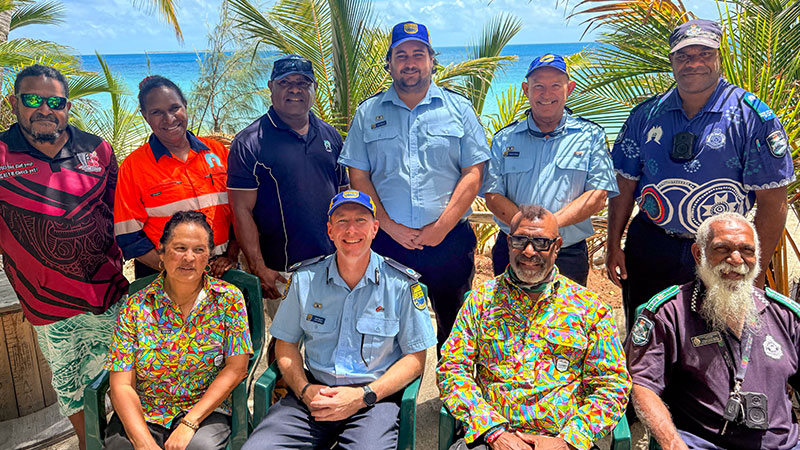
Ms Naawi welcomed the support and progress towards finding a permanent location for the vessel.
"I'm very happy that the Chief came up to visit and with his support, because we've been trying hard to get a piece of land to put our vessels so we can bring the vessel out and store it here," Ms Naawi said.
"With his support, it made a big difference. We took a step forward and now we're going to move forward from here."
Beyond infrastructure, the unit is focused on ensuring local knowledge remains central to marine rescue operations throughout the Torres Strait.
Generations of experience navigating the region's reefs, tides and waterways provide island communities with knowledge that can assist emergency responses.
This includes understanding cultural boundaries and recognising the expertise of neighbouring island communities when responding to incidents outside familiar waters.
Ms Naawi believes this knowledge must be respected when coordinating rescue operations.
"It's very important to have local knowledge because these are our waters," she said.
"We know our waters better."
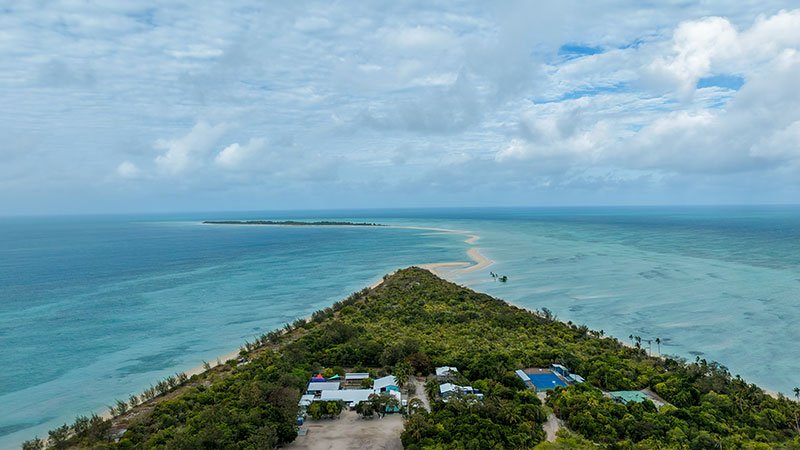
Another priority is attracting more volunteers, particularly young women who may not have previously considered joining marine rescue.
Ms Naawi has been encouraging women on Masig to become involved while raising awareness of the different roles available to people of various ages and abilities.
She hopes greater participation will help maintain the service for future generations.
"Being part of Marine Rescue as a female, because we always see men doing everything, but there's woman power too," Ms Naawi said.
"This is not a job only for men, it's for women as well. For our future, it's best we get more volunteers."
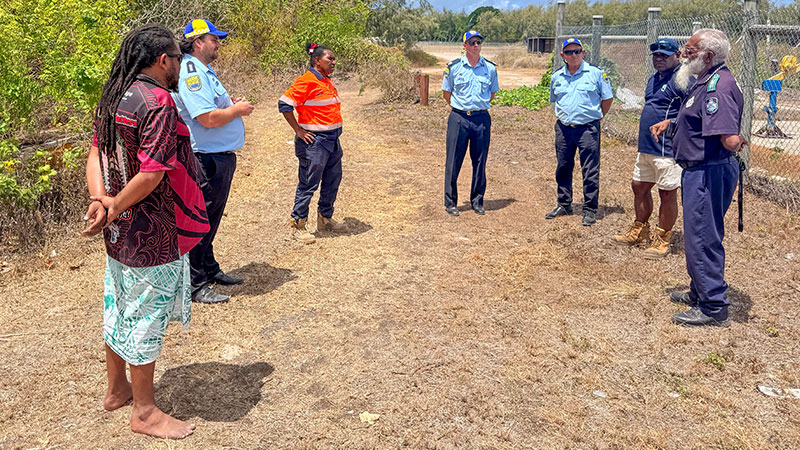
A community dinner held during Mr Wulff's visit gave residents an opportunity to learn about MRQ, ask questions about training and consider volunteering.
Interest from both younger and older community members was welcomed as the unit continues working to build its local volunteer base.
Marine rescue services across the Torres Strait also include units at Thursday Island, Kubin and St Paul's, where local volunteers play an important role in responding to incidents at sea.
For Ms Naawi, strengthening these services means ensuring communities have the equipment, volunteers and local knowledge needed to protect people travelling between islands.
Marine Rescue Queensland provides training and support for volunteers from different backgrounds.
More information about volunteering is available through the Marine Rescue Queensland website.



