


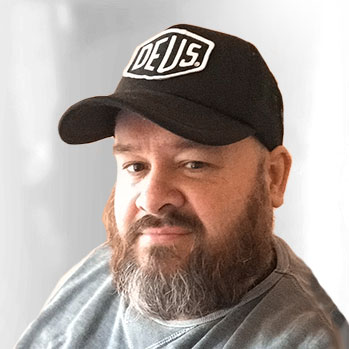

A Rotorua café located in the traditional heartland for Indigenous peoples of Aotearoa is asking customers to only order in the Māori language.
The country's first fully immersive te reo Māori café finally opened its doors for the first time on Wednesday after months of intimate final planning.
The culture of the new Rumaki Café is not so much about serving up Māori food out of a Hāngī from the soil of the ground, but more so built around its business name as a concept.
The owners decided to brand the café about rumaki - a phrase largely around immersion of Māori customs, cultural practices and beliefs surrounding their traditional East Polynesian language.
It has been hailed in local social media circles as a powerful step forward for language revitalisation and cultural reclamation.
The Indigenous venture has been led by eight independent Māori women - chairwoman Katie Cherrington, Aroha Armstrong, Arohaina Owen, Vanessa Oxley, Miraka Davies, Ana Morrison, Lyndele von Schill and Alana Swain - who are focused on delivering a virtuous linguistic lesson to the community.
"This is a safe, nurturing space for people who want to spend time in a total immersion reo Māori space," they wrote on the Rumaki Café's website.
"No matter what level - just starting, getting more confident, conversational or an expert, this is our safe space.
"If someone with no reo Māori wants to come in, awesome.
"There will be resources to support them to order food and coffee, to ask questions, and to give the reo a go - and at the same time, the cafe is a total immersion space, day and night."
Customers will be supported to put English on hold outside of private conversations.
While there are other eateries in New Zealand that offer bilingual ordering and service, Rumaki Café is the first committed fully to the language in a commercial setting.
The concept of the café was developed three years ago to create an everyday space where te reo Māori is commonplace.
The 2023 New Zealand Census found that around 182,000 people who identify as Māori - about one in five people in Aotearoa - said they could hold a conversation in te reo Māori.
About another 30,000 non-Māori people say they have some level of competence in the traditional Indigenous language of the country, little more than four per cent of the nation's population.
The owners described that the café will be as "Māori as walking into a marae (centuries-old meeting place)".
Café executive director Miraka Davies said while their concept is not to sway non-iwi, Pākehā people away by refusing to take orders in English, but it will set out visual cues that have been set aside to assist staff in understanding the customers level of reo.
"As you walk through the door, there'll be a system where you can self-identify your level of reo capability," she recently told Radio New Zealand.
"So that's a visual signal to both to other customers and to our kaimahi (staff) on how to interact with you.
"We'll use a lot of hand actions to spell things out and there will be QR codes everywhere....to take you to a place where you can push play on a prerecorded sentence of how to order, say, your flat white."
The online links to translations, phrases and pronunciation guides were quite personal to the leader of the hybrid charitable-trust business model that has sought government grants and donations to get off the ground.
Ms Davies admitted that despite her Ngātiwai, Ngāti Porou iwi ancestry, she did not grow being able to speak the Māori of her ancestors.
It has taken some time to reclaim her own language and identity her whakapapa (genealogy) after generations of language suppression experienced by many Māori whānau (extended family).
She only spent years studying the language while at university and now considers herself at just conversational level, rather than fluent in Māori, having since wanted greater availability of public places to practice so "this language is normalised".
"There's no English spoken here," she said.
"It makes us stay brave to use our language, really lock it in and continue to grow and develop.
"So, that is not about exclusion - that is about helping us to achieve our goals."
The café has faced online abuse, threats and public criticism from opposition to a business operating solely in te reo Māori that reportedly could raise a future discrimination case in the courts.
But others in social media discussions have defended the English-free exclusion as a legitimate language revitalisation initiative.
"If you don't want to be in an environment like that, that's okay - you don't have to come," Ms Davies said.
"Nobody's forcing you - you can get your coffee somewhere else.
"We will not be offended."



