


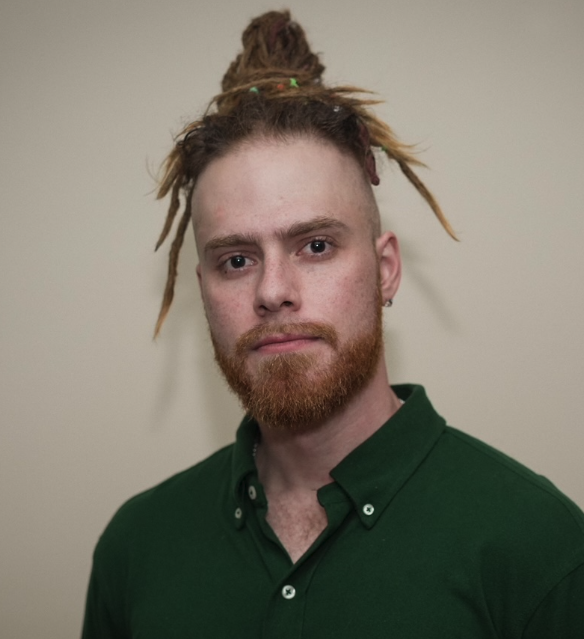

Girringun Rangers in Cardwell are helping protect northern Australia from exotic pests and diseases through frontline biosecurity surveillance on Country.
The Girringun Rangers are part of the Indigenous Ranger Biosecurity Program which works with First Nations ranger groups across northern Australia to detect biosecurity threats before they become established.
Northern Australia is considered one of the country's highest-risk pathways for biosecurity incursions because of its long coastline, remote areas and proximity to Indonesia, Papua New Guinea and Timor-Leste.
Rangers carry out surveillance across remote and high-risk areas that can be difficult and costly for government agencies to access, using their knowledge of local plants, animals and environmental conditions to identify changes on Country.
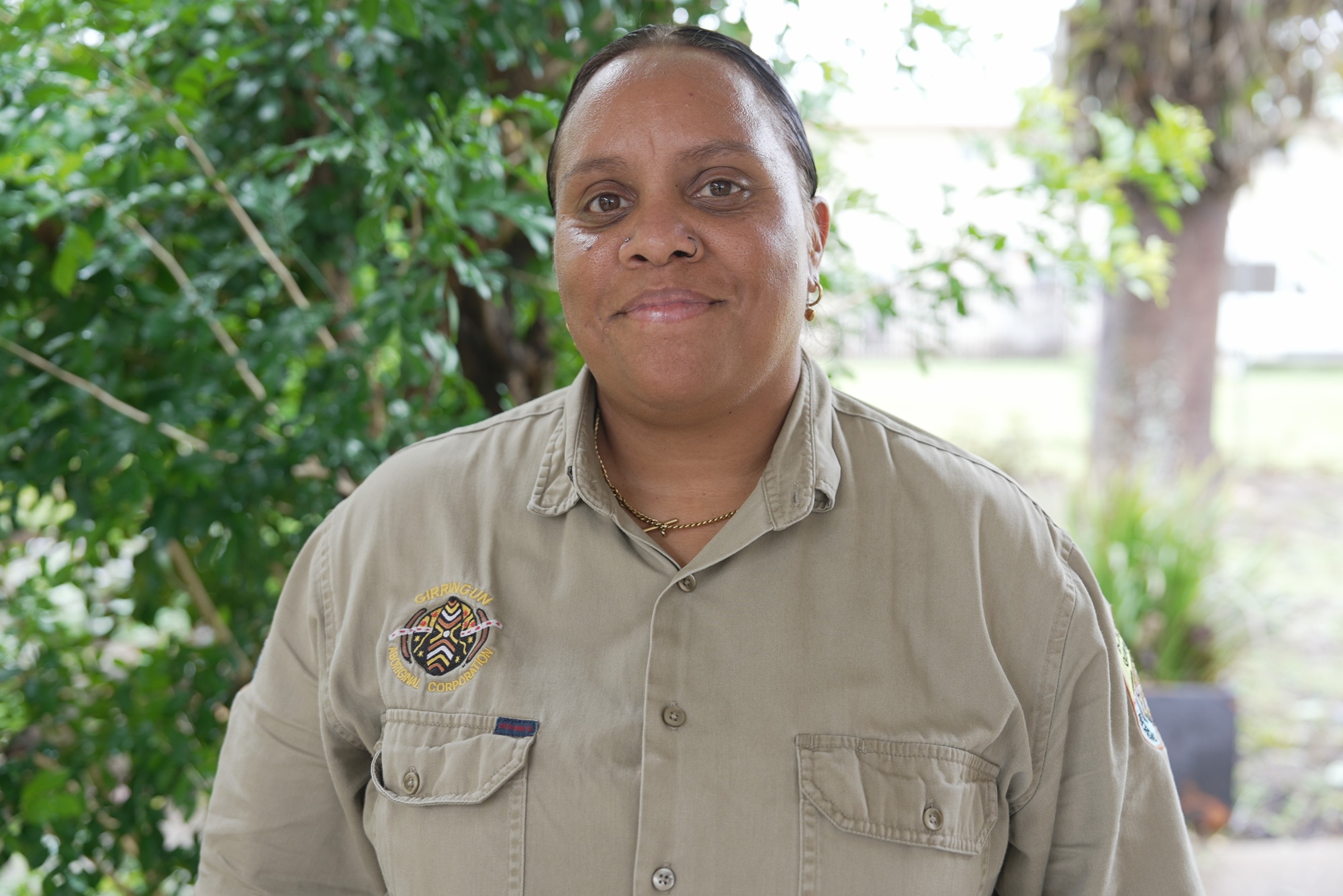
Girramay Traditional Owner and Girringun Ranger, Talisha Mothe, said the work combined environmental protection with cultural connection.
"This work keeps our Country strong and our communities connected," Ms Mothe said.
"We're protecting the environment and supporting Australia's economy, all while passing knowledge to the next generation."
The Department of Agriculture, Fisheries and Forestry says First Nations knowledge is critical to the program, with Indigenous Rangers involved in monitoring, detection and response activities across northern Australia.
The work is aimed at detecting threats including foot-and-mouth disease, African swine fever, lumpy skin disease, oriental fruit fly, citrus canker and Asian green mussel before they can become established.
Surveillance information collected by ranger groups also contributes to data showing areas remain free from particular pests and diseases, supporting Australia's agricultural export status and access to overseas markets.
The program operates through fee-for-service arrangements with Indigenous ranger groups and also supports training, education and stronger biosecurity capability in northern communities.
It includes biosecurity traineeships for First Nations people, as well as education and support materials for Indigenous Rangers, schools and communities.
The Australian Government committed $40.6 million over four years from 2023-24 to continue the program, followed by ongoing funding of $12 million a year from 2027-28.
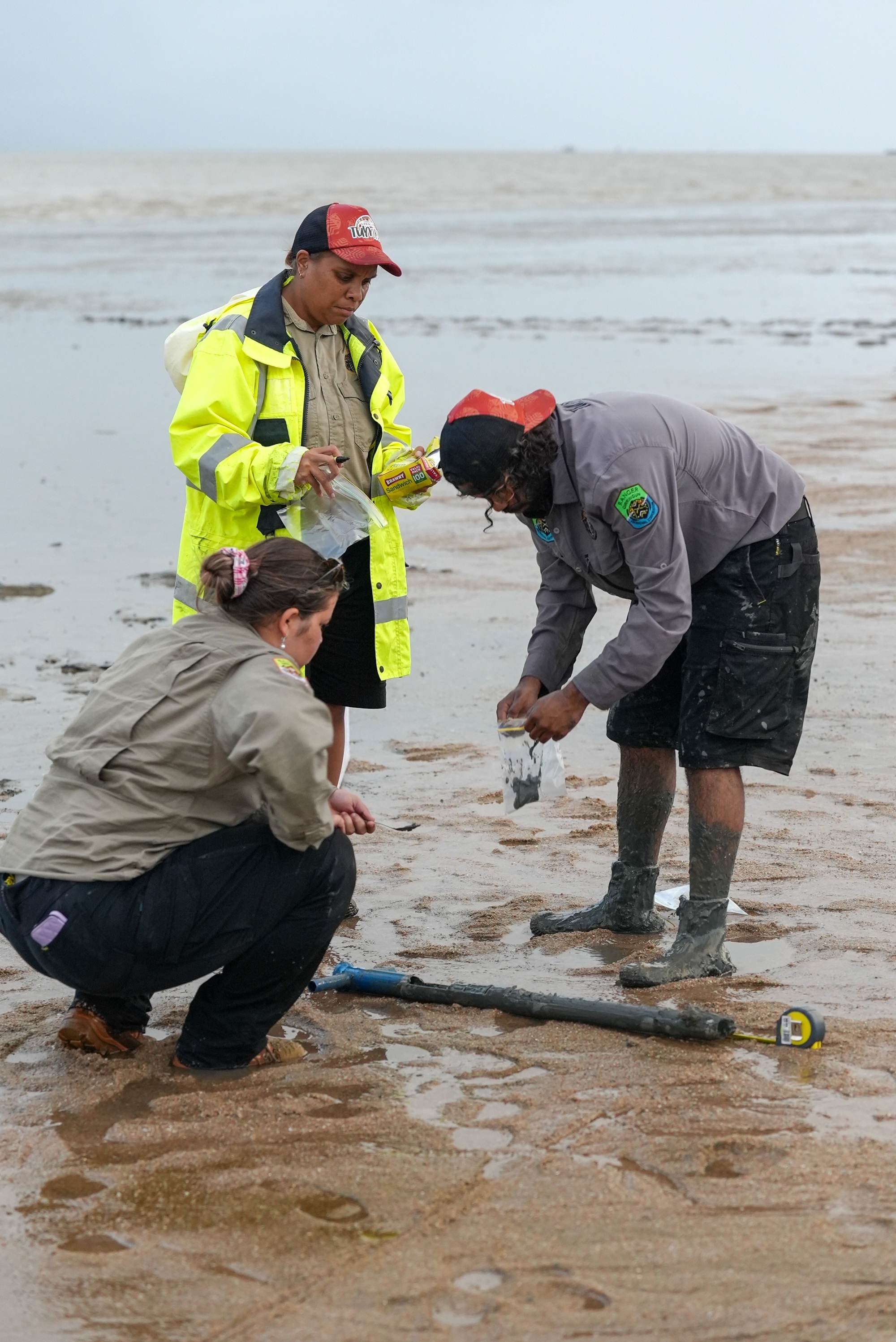
The Girringun Rangers form part of a broader network working across northern Australia, where Indigenous-led surveillance provides access to places that can be expensive and difficult to monitor through conventional methods.
The program also creates employment and training opportunities on Country while supporting cultural knowledge, community resilience and the transfer of knowledge between generations.
For the Girringun Rangers, biosecurity work forms part of a wider role caring for land and sea Country while contributing to national efforts to protect agriculture, biodiversity and trade.
Their work in Cardwell shows how cultural knowledge and contemporary biosecurity practices can operate together, strengthening early detection while building skills and employment in regional and remote communities.



